Vietnamese Peanut Sauce Recipe: Velvety & Savory
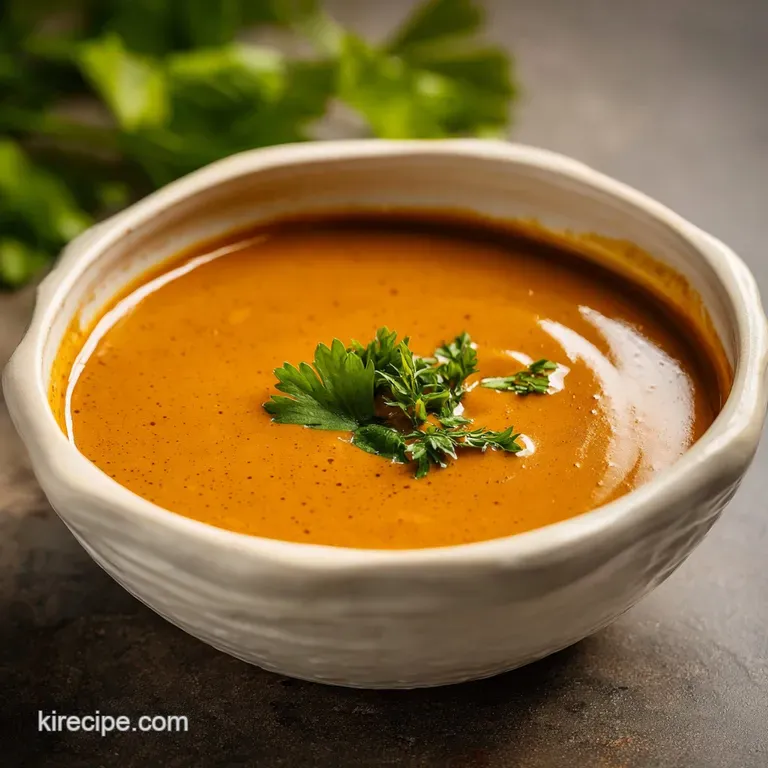
- Time: Active 5 minutes, Passive 5 minutes, Total 10 minutes
- Flavor/Texture Hook: Glossy, nutty, and savory with a punchy garlic finish
- Perfect for: Weeknight dipping, fresh spring rolls, or quick noodle bowls
- The Ultimate Vietnamese Peanut Sauce Recipe
- The Science Behind Silky Emulsions
- Component Analysis and Structural Roles
- Essential Ingredients and Smart Substitutes
- Basic Kitchen Gear for Best Results
- Step-by-Step Method and Doneness Cues
- Solving Common Sauce Texture Issues
- Flavor Variations and Batch Scaling
- Storage Guidelines and Waste Reduction
- Serving Ideas for This Sauce
- Recipe FAQs
- 📝 Recipe Card
The Ultimate Vietnamese Peanut Sauce Recipe
We've all been there standing in the kitchen with a plate of fresh spring rolls, only to realize the "peanut sauce" in the fridge is just a sad, separated jar of oily mess. I remember the first time I tried to make this from scratch; I just tossed everything in a bowl cold.
It was grainy, the garlic was way too sharp, and it lacked that glossy, velvety sheen you get at the local Vietnamese spot. It was a total letdown, but it taught me that a little heat and the right order of operations change everything.
The secret isn't a hidden ingredient; it's the sizzle of the garlic hitting the oil. When you smell that aroma toasty, savory, and sharp you know you're on the right track. This recipe is my tried and true method for getting that thick, luxurious consistency every single time.
It's the kind of sauce that makes you want to double dip, and honestly, in your own kitchen, who's going to stop you? We're going for a balance of sweetness from the hoisin and a slow building warmth from the sambal oelek.
You'll love how this coats the back of a spoon. It shouldn't be runny like water, but it shouldn't be a thick paste either. It needs to cling to a rice paper roll without dripping down your arm. Once you nail the texture, you'll never go back to the store-bought stuff.
Let's get into the mechanics of why this works so well.
The Science Behind Silky Emulsions
The Physics of the Emulsion: Heating the peanut butter with liquid allows the fat molecules to trap water, creating a stable, glossy emulsion rather than a separated mess.
The hoisin acts as a secondary thickener, using its starch content to provide a smooth, velvety mouthfeel that holds up even when cooled.
| Method | Time | Texture | Best For |
|---|---|---|---|
| Stovetop | 5 minutes | Glossy & Integrated | Maximum flavor and smoothness |
| Microwave | 2 minutes | Soft & Pourable | Quick individual servings |
| Cold Whisk | 3 minutes | Slightly Grainy | Emergency meal prep only |
This stovetop method is truly the gold standard for getting the ingredients to play nice together. If you've ever noticed your sauce getting "tight" or seizing up when you add the liquid, it's usually because the temperatures are too different. Using room temperature broth or water helps maintain that smooth transition as the fats melt. This is similar to the sauce building technique used in our Rice Recipe with where temperature control ensures a consistent coat.
Component Analysis and Structural Roles
| Ingredient | Science Role | Pro Secret |
|---|---|---|
| Peanut Butter | Primary Fat/Base | Use "natural" creamy for better melting |
| Hoisin Sauce | Sugar & Umami | Adds the dark, lacquered look |
| Rice Vinegar | Acid Balance | Cuts through the heavy fat richness |
| Garlic | Aromatic Punch | Mince very fine to avoid chunky bits |
Essential Ingredients and Smart Substitutes
To get started, gather your 0.5 cup natural creamy peanut butter and 0.33 cup hoisin sauce. You'll also need 0.5 cup water (or vegetable broth), 2 cloves of minced garlic, 1 tbsp rice vinegar, 1 tsp sambal oelek (or sriracha), and 1 tsp neutral oil.
| Original Ingredient | Substitute | Why It Works |
|---|---|---|
| Natural Peanut Butter | Almond Butter | Similar fat content. Note: Slightly nuttier, less traditional flavor |
| Rice Vinegar | Lime Juice | High acidity. Note: Adds a brighter, more citrusy zing |
| Sambal Oelek | Dried Chili Flakes | Concentrated heat. Note: Use half the amount; lacks the vinegar punch |
| Hoisin Sauce | Sweet Soy + Miso | Umami and sugar. Note: Resulting sauce will be thinner and saltier |
If you find yourself reaching for almond butter instead, you might enjoy the profile of this Chopped Almonds and recipe which uses a similar nutty base. For the peanut version, always stick to creamy butter; crunchy works if you want texture, but it won't give you that signature Vietnamese dip appearance. Why this? Natural peanut butter melts into a smoother liquid state than the highly processed, stabilized versions.
Basic Kitchen Gear for Best Results
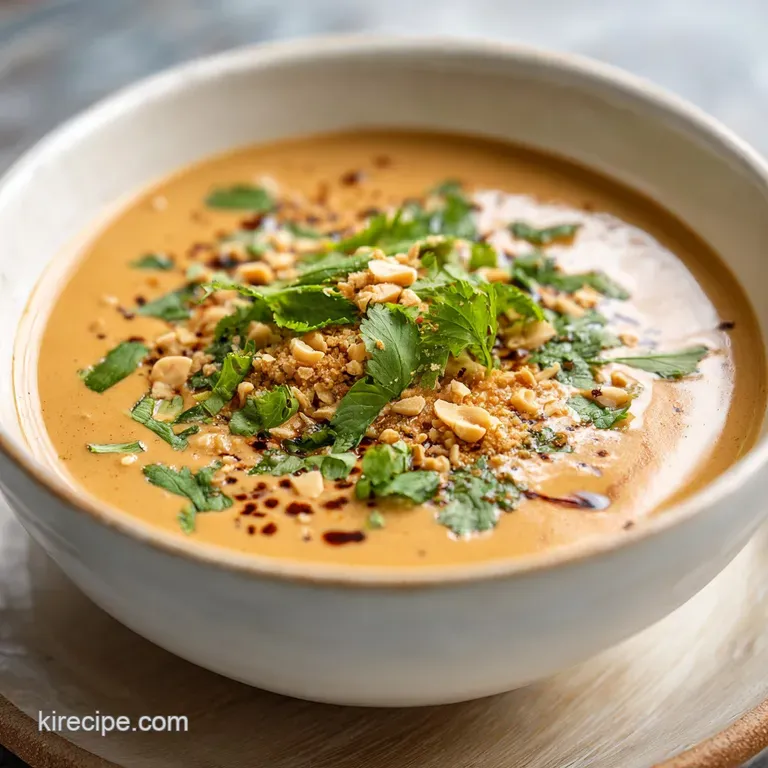
You don't need much for this, but a small non stick saucepan is your best friend here. It prevents the sugars in the hoisin from catching on the bottom. A stiff balloon whisk is also essential it's much better than a fork for forcing the water and oil to emulsify into a velvety dream.
If you're doubling the batch for a crowd, a silicone spatula helps you scrape every last bit of that liquid gold out of the pan.
Chef's Tip: Grate your garlic directly into the cold oil before turning on the heat. This "cold start" method lets the garlic flavor infuse the oil deeply without the risk of burning those tiny pieces into bitter charcoal.
step-by-step Method and Doneness Cues
1. Bloom Your Aromatics
Add 1 tsp neutral oil and 2 cloves of minced garlic to a small saucepan. Turn the heat to medium low. Sizzle the garlic for 1 minute until fragrant but still pale. Note: Don't let it brown or it will taste bitter.
2. Add the Liquid Base
Pour in 0.5 cup water or low sodium vegetable broth. Whisk gently to combine with the garlic oil.
3. Incorporate the Thickener
Whisk in 0.33 cup hoisin sauce. Stir until the liquid turns a dark, uniform brown.
4. Build the Creamy Base
Add 0.5 cup natural creamy peanut butter to the center of the pan. Let it sit for 30 seconds to soften.
5. Emulsify the Sauce
Using your whisk, start in the center and work outward. Whisk vigorously until the peanut butter fully disappears into the liquid.
6. Balance the Flavors
Stir in 1 tbsp rice vinegar and 1 tsp sambal oelek. This adds the necessary acid and heat to cut the sweetness.
7. Simmer to Glossy Perfection
Continue to cook over low heat for 2-3 minutes. The sauce is ready when it coats the spoon and looks glossy.
8. Cool and Adjust
Remove from heat. The sauce will thicken as it cools. If it becomes too stiff, whisk in 1 teaspoon of warm water.
Solving Common Sauce Texture Issues
Fixing a Broken Sauce
If you see oil pooling at the top or the sauce looks "curdled," the emulsion has broken. This usually happens if the heat was too high or it sat for too long without stirring.
| Problem | Root Cause | Solution |
|---|---|---|
| Oily Separation | Heat too high | Remove from heat, add 1 tsp warm water, whisk fast |
| Gritty Texture | Raw garlic/Unmelted PB | Simmer on low while whisking for 2 extra minutes |
| Too Sweet | Too much hoisin | Add a splash more rice vinegar or a pinch of salt |
Thinning a Thick Texture
Peanut butter is high in protein and fat, which means it firms up significantly as it cools. If your sauce looks like a solid block after being in the fridge, don't panic. Simply microwave it for 15 seconds or add a tiny splash of hot water and whisk until it returns to its silky state.
Common Mistakes Checklist:
- ✓ Never boil the sauce; a gentle simmer is all you need to prevent scorching.
- ✓ Don't skip the sautéing of the garlic; raw garlic is too pungent for this dip.
- ✓ Add the peanut butter last; this ensures the other liquids are integrated first.
- ✓ Use natural peanut butter; those with added palm oil don't emulsify as smoothly.
- ✓ Always whisk while cooling; this prevents a skin from forming on the surface.
Flavor Variations and Batch Scaling
Scaling this recipe is straightforward because the ratios are forgiving. If you're cooking for a big party, you can double everything (1 cup PB, 0.66 cup hoisin, 1 cup water). Just keep the heat low, as larger volumes take longer to heat evenly and are more prone to sticking at the bottom.
Hoisin Free Peanut Sauce
If you need a soy free or hoisin free version, you can swap the hoisin for a mix of 2 tbsp coconut aminos, 1 tbsp honey, and a tiny pinch of five spice powder. It won't be as thick, so you might need to reduce the water slightly to keep the consistency right.
Adding a Crunchy Twist
While the traditional dip is smooth, some people love a bit of texture. You can stir in 2 tbsp of crushed roasted peanuts right before serving. This adds a lovely "shatter" to every bite that contrasts with the velvety sauce.
Storage Guidelines and Waste Reduction
Storage: This sauce keeps beautifully in the fridge for up to 5 days. Put it in an airtight glass jar to prevent it from picking up other fridge odors. It does not freeze well, as the emulsion tends to break completely upon thawing, leaving you with a grainy mess.
Zero Waste Tip: If you have a few tablespoons left at the bottom of the jar, don't wash it out! Add a splash of hot water, some lime juice, and a handful of cooked noodles. Shake it up or stir it directly in the jar for a quick, zero waste peanut noodle lunch.
You can also use leftover sauce as a marinade for chicken skewers before grilling.
Serving Ideas for This Sauce
The Classic Dipping Pairings
Obviously, fresh Gỏi cuốn (Vietnamese spring rolls) are the primary vehicle here. The cool rice paper and crunchy shrimp or pork are the perfect foil for the warm, nutty sauce. It also works brilliantly as a dip for raw vegetable batons think cucumber, bell peppers, and carrots.
Effortless Noodle Bowl Hack
My favorite way to use this outside of dipping is to toss it with cold Soba or rice noodles. Add some shredded cabbage, cilantro, and maybe a few crushed peanuts on top. It’s a 10 minute meal that tastes like you spent an hour on it.
The sauce provides all the seasoning you need, so you don't even have to reach for the salt shaker.
Chef's Note: If serving as a dip, garnish the top with a tiny dot of sambal oelek and a sprinkle of crushed peanuts. It makes the bowl look professional and gives guests a hint of the heat level inside.
Recipe FAQs
What are the core components of Vietnamese peanut sauce?
Peanut butter, hoisin sauce, vinegar, garlic, and chili paste. The hoisin provides sweetness and dark color, while the vinegar cuts the richness of the peanut fat for balance.
What are the 5 essential ingredients in this peanut sauce?
Peanut butter, hoisin, water/broth, rice vinegar, and garlic. These five form the primary base and flavor structure before adding heat elements like chili paste.
What is the main flavor difference between Thai and Vietnamese peanut sauce?
Vietnamese versions rely heavily on hoisin sauce for savory depth, while Thai versions typically use tamarind and fish sauce. This results in the Vietnamese style being sweeter and darker, often lacking the sour intensity of Thai satay sauce.
Is peanut sauce a traditional staple condiment in Vietnam?
Yes, peanut sauce is very common, particularly served with fresh spring rolls (Gỏi cuốn). It’s a staple dipping sauce, though regional variations exist regarding the inclusion of coconut milk versus water.
How do I achieve the signature glossy texture in this peanut sauce?
Sauté the minced garlic first, then whisk the peanut butter into the warm liquid base (water/hoisin) over low heat. This process gently heats the fats and allows them to form a stable emulsion, similar to the technique needed for smooth sauces in our Cajun Alfredo Sauce recipe.
Can I substitute the hoisin sauce if I have an allergy?
No direct swap exists, but you can approximate the flavor profile. Try using a mixture of coconut aminos, honey, and a pinch of five spice powder to replicate the sweet, dark umami notes.
How long can I store homemade Vietnamese peanut sauce?
Store in an airtight container in the refrigerator for up to 5 days. If it becomes too firm upon cooling, simply whisk in one teaspoon of warm water to restore the perfect dipping consistency.
Vietnamese Peanut Sauce Recipe
Ingredients:
Instructions:
Nutrition Facts:
| Calories | 125 calories |
|---|---|
| Protein | 3.9 g |
| Fat | 8.5 g |
| Carbs | 9.4 g |
| Fiber | 0.9 g |
| Sugar | 6.4 g |
| Sodium | 263 mg |
