Sweet Southern Cornbread Cake
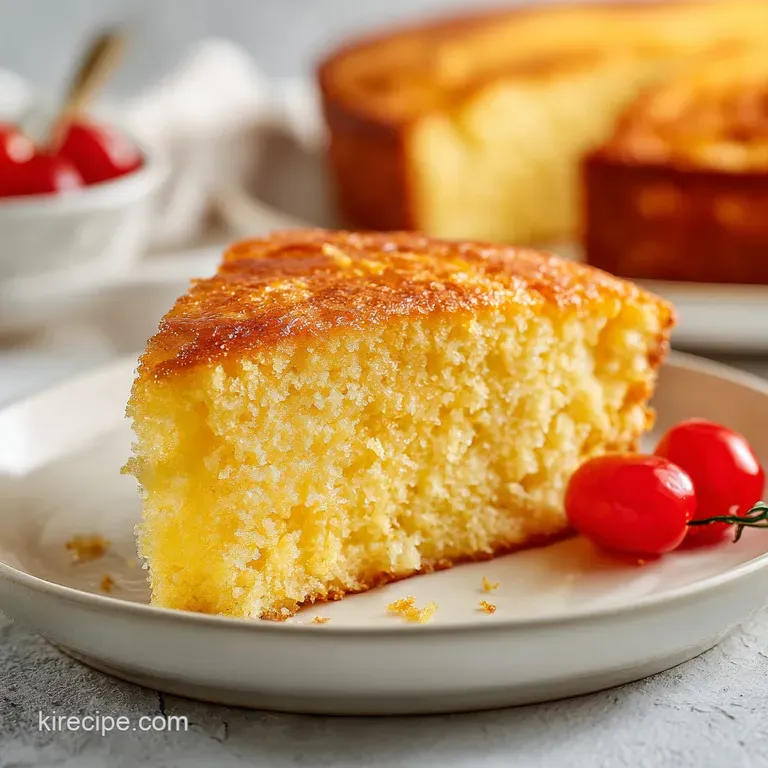
- Time: Active 15 minutes, Passive 35 minutes, Total 50 minutes
- Flavor/Texture Hook: Silky, honey kissed crumb with a golden, buttery exterior
- Perfect for: Sunday brunch, holiday gatherings, or a cozy weeknight side
- Why This Works
- Vital Stats for Baking Success
- Essential Ingredients for Better Crumb
- Required Gear for Even Baking
- Detailed Steps for Flawless Results
- Fixing Common Sinks and Crumbs
- Simple Adjustments for Every Diet
- Smart Storage for Lasting Moisture
- Perfect Sides for Every Slice
- Recipe FAQs
- 📝 Recipe Card
The first time I tried to bake a serious cornbread cake, I made the classic mistake of treating it like a standard muffin. I whisked everything together while the buttermilk was still chilly from the fridge and the melted butter was piping hot. The result?
The butter immediately seized into tiny, waxy beads, and the cake came out with a greasy bottom and a dry, crumbly top. It was a texture nightmare that taught me everything I needed to know about the science of emulsion and temperature.
Buttermilk is the absolute hero of this cornbread cake recipe. It isn't just there for the tangy flavor; its lactic acid is a biological tenderizer that breaks down the tough gluten strands in the all purpose flour.
When you pair that acidity with the lift from baking soda, you get a rise that is airy yet sturdy enough to hold its own against a heavy drizzle of honey. It's the difference between a gritty block of cornmeal and a velvety slice that practically melts on your tongue.
We’re aiming for a specific "cake like" structure here, which means precision is our best friend. By using a mix of vegetable oil for moisture and melted butter for flavor, we get a crumb that stays soft even on the second day.
Most people skip the cooling phase for the butter, but that’s where the magic happens. If you’ve ever wondered why some cakes feel dry despite having plenty of fat, it’s usually because the fats didn't emulsify properly with the liquids. We’re going to fix that today.
Why This Works
- Fat Hybridization: Using both butter and vegetable oil provides the best of both worlds butter for that unmistakable rich aroma and oil to keep the crumb moist at room temperature.
- Hydration Timing: The 15 minute rest after baking allows the cornmeal to fully hydrate, preventing that "shatter" effect when you try to slice it.
- Acid Base Balance: The buttermilk reacts instantly with the baking soda to create carbon dioxide, giving the cake a light, plush lift despite the heavy cornmeal.
- Honey as a Humectant: Honey doesn't just add sweetness; it's a natural humectant that draws in moisture from the air, keeping the cake from staling.
| Method | Prep Time | Texture | Flavor Profile |
|---|---|---|---|
| From Scratch | 15 minutes | Velvety, plush, tight crumb | Rich, buttery, complex honey notes |
| Cake Mix Hack | 5 minutes | Airy, sponge like, soft | Very sweet, slightly artificial |
| Southern Style | 10 minutes | Gritty, crumbly, dense | Savory, salty, bacon forward |
There is a massive difference between using a pre packaged mix and building this from the ground up. While shortcuts are great for a Tuesday night, the scratch made version allows us to control the exact granulation of the cornmeal. For this specific cake, I always recommend a fine grind yellow cornmeal.
It integrates into the flour much better, ensuring you get the flavor of the corn without the sandy mouthfeel that ruins a dessert style bake.
Vital Stats for Baking Success
When we talk about precision, we’re looking for specific cues that tell us the chemistry is working. If your kitchen is too cold, your emulsion will break. If your oven has hot spots, the honey will scorch the edges before the center sets.
It’s all about monitoring these small variables to ensure the final product looks like it came from a professional bakery.
| Ingredient Component | Science Role | Pro Secret |
|---|---|---|
| Buttermilk (355ml) | Acidic tenderizer | Must be room temperature to keep fats liquid |
| Yellow Cornmeal (240g) | Structural grit | Sift with the flour to aerate the heavy grains |
| Granulated Sugar (200g) | Tenderizer and sweetener | Prevents gluten bonds from becoming too tough |
| Baking Powder (12g) | Primary leavening | Check expiration; it provides the initial "lift" |
Before you even crack an egg, make sure your buttermilk and eggs have been sitting on the counter for at least 30 minutes. If you’re in a rush, you can place the eggs in a bowl of warm water for 5 minutes.
Cold ingredients are the number one cause of "tunnels" in your cake those long, vertical holes that happen when the batter has to work too hard to expand in the oven.
Essential Ingredients for Better Crumb
For this cornbread cake recipe, every gram matters. We aren't just tossing things in a bowl; we are building a structural masterpiece.
- 1.5 cups yellow cornmeal (240g): Why this? Fine grind provides the classic flavor without a distracting, sandy texture.
- 1.5 cups all purpose flour (190g): Why this? Provides the gluten structure needed to lift the heavy cornmeal.
- 1 cup granulated sugar (200g): Why this? High sugar content keeps the crumb soft and "cake y."
- 1 tbsp baking powder (12g): Why this? Ensures a high rise and prevents a dense, leaden cake.
- 0.5 tsp baking soda (3g): Why this? Reacts with buttermilk for instant lift and browning.
- 1 tsp fine sea salt (6g): Why this? Sharpens the sweetness and balances the corn flavor.
- 1.5 cups full fat buttermilk (355ml): Why this? Fat and acid are essential for the velvety mouthfeel.
- 2 large eggs: Why this? Bind the fats and liquids together for a stable structure.
- 0.5 cup unsalted butter, melted (113g): Why this? Essential for that "bakery" flavor profile.
- 0.25 cup vegetable oil (60ml): Why this? Stays liquid at room temp, ensuring a moist bite.
- 2 tbsp honey (30ml): Why this? Adds floral depth and keeps the cake moist longer.
- 1 tsp vanilla extract (5ml): Why this? Rounds out the corn and honey flavors perfectly.
If you find yourself out of buttermilk, don't just use plain milk. You can make a quick substitute by adding 1 tablespoon of lemon juice to 1.5 cups of whole milk and letting it sit for 10 minutes. It won't be as thick, but the acidity will still do the heavy lifting. This chemistry is similar to what I discuss in my Kefir Chocolate Cake Recipe, where fermented dairy transforms the crumb into something truly special.
Required Gear for Even Baking
You don't need a professional kitchen, but a few specific tools will make this process much smoother. I personally love using a 12 inch cast iron skillet (like a Lodge) because it holds heat so consistently, creating a beautiful crust on the bottom.
If you prefer a more traditional "cake" look, a standard 9x13 inch metal baking pan works perfectly. Just avoid glass pans if possible, as they can cause the edges to overcook before the middle is done.
A good whisk is non negotiable for the dry ingredients. You want to make sure there are zero clumps of baking soda or salt, as biting into a concentrated pocket of soda is a quick way to ruin the experience. For the wet ingredients, a large glass measuring jug is your best friend.
It makes streaming the melted butter into the buttermilk much easier and less messy.
Chef's Tip: Freeze your butter for 10 minutes before melting it. This sounds counter intuitive, but it actually helps the milk solids brown slightly more evenly when you heat it, giving the cake a deeper, toasted flavor.
Detailed Steps for Flawless Results
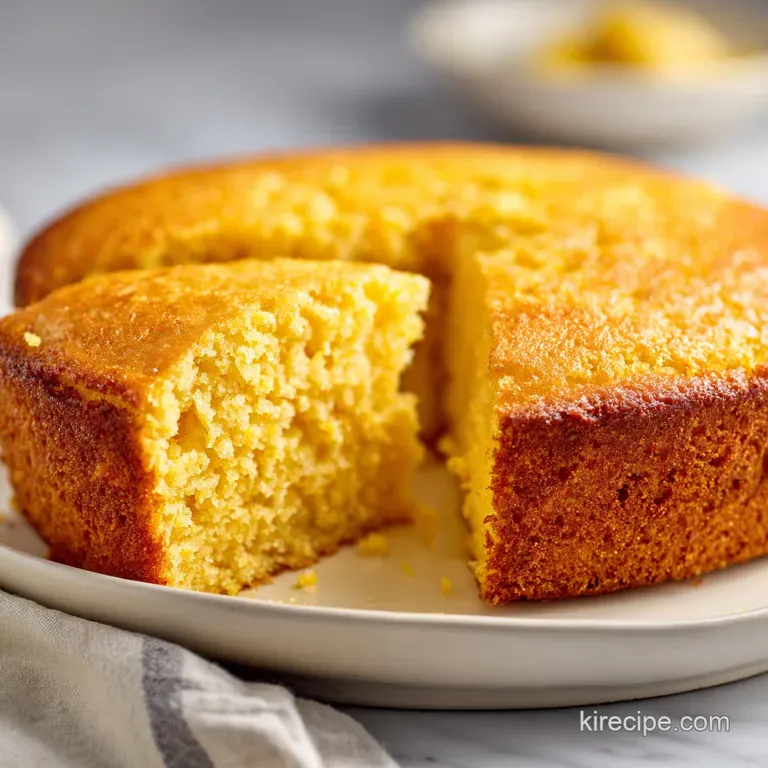
- Preheat your oven to 175°C (350°F). Liberally grease your 9x13 inch pan or cast iron skillet with butter, ensuring you hit every corner. Note: This prevents the honey rich batter from sticking.
- In a large mixing bowl, whisk the cornmeal, flour, sugar, baking powder, baking soda, and salt. Whisk for at least 60 seconds until the mixture looks light and aerated.
- In a separate jug, whisk the room temperature buttermilk, eggs, vegetable oil, honey, and vanilla. Whisk vigorously until the eggs are fully incorporated and no yellow streaks remain.
- Slowly stream the melted (and cooled!) butter into the wet ingredients. Whisk constantly until the mixture is smooth and emulsified.
- Make a well in the center of the dry ingredients and pour in the liquid mixture.
- Using a silicone spatula, gently fold the batter. Stop as soon as the last streak of flour disappears. Note: Over mixing will activate the gluten and make the cake tough.
- Pour the batter into your prepared pan, smoothing the top with your spatula.
- Bake for 30 to 35 minutes. You are looking for the edges to pull away slightly from the sides until they are golden brown and a toothpick comes out clean.
- Remove from the oven and place on a wire rack.
- Allow the cake to rest for 15 minutes until the crumb has set and the steam has redistributed.
Fixing Common Sinks and Crumbs
Why Your Cornbread Sinks
If your cake looks beautiful in the oven but collapses the moment you take it out, you likely have a temperature issue or a leavening imbalance. Opening the oven door too early causes a sudden drop in temperature, which can "pop" the air bubbles before the flour structure has set.
Plus,, if your baking powder is old, it won't provide enough strength to hold up the heavy cornmeal as it cools.
Fixing a Dry Crumb
A dry cornbread cake is usually the result of over baking or inaccurate measuring. If you scoop your flour directly with the measuring cup, you likely packed it down, adding up to 25% more flour than the recipe calls for. Always spoon the flour into the cup and level it off, or better yet, use a kitchen scale.
If the cake is already baked and dry, a quick fix is to brush the warm surface with a mixture of melted butter and honey.
| Problem | Root Cause | Solution |
|---|---|---|
| Gritty Texture | Coarse cornmeal used | Soak cornmeal in buttermilk for 20 mins before mixing |
| Greasy Bottom | Butter was too hot | Cool melted butter to room temp before adding to wet |
| Burnt Edges | High sugar/honey content | Use a light colored metal pan or lower temp by 5°C |
Common Mistakes Checklist:
- ✓ Check baking soda freshness by dropping a pinch into vinegar (it should fizz violently).
- ✓ Pat the eggs dry if they were in a water bath to avoid adding extra moisture.
- ✓ Never skip the 15 minute rest; it’s essential for the "clean cut" look.
- ✓ Preheat your oven for at least 20 minutes to ensure a consistent soak of heat.
- ✓ Use full fat buttermilk; low-fat versions lack the viscosity needed for a plush crumb.
Simple Adjustments for Every Diet
If you need to scale this recipe down for a smaller household, it's quite simple. For a half batch, use an 8x8 inch square pan and reduce the baking time by about 5 minutes. Since the recipe calls for 2 eggs, simply beat one egg in a small bowl and use half of it for the second "egg" requirement.
When scaling up for a crowd, stick to two separate 9x13 pans rather than one giant one, as the center will struggle to cook through before the edges burn.
For a variation that feels a bit more like a "sweet cornbread cake recipe," you can add a handful of toasted pecans to the batter. The crunch of the nuts against the velvety cornmeal is a match made in heaven. If you're looking for something with a different flavor profile but the same bakery style quality, my Pumpkin Cream Cheese Muffins use a similar hydration technique to ensure a moist, tender result.
| Original Ingredient | Substitute | Why It Works |
|---|---|---|
| All Purpose Flour | 1:1 gluten-free Blend | Rice flour mimics the structure. Note: Crumb may be slightly more brittle. |
| Vegetable Oil | Melted Coconut Oil | Similar fat profile. Note: Adds a subtle tropical scent to the cake. |
| Granulated Sugar | Light Brown Sugar | Adds moisture and molasses notes. Note: Result will be darker and denser. |
Smart Storage for Lasting Moisture
Cornbread cake is best eaten within the first 24 hours, but because of the honey and oil, it holds up surprisingly well. Store leftovers in an airtight container at room temperature for up to 3 days.
If you keep it in the fridge, the butter will firm up and the cake will feel dry, so always let it come back to room temperature or give it a 10 second zap in the microwave before eating.
This cake freezes beautifully. Wrap individual slices tightly in plastic wrap, then place them in a freezer bag for up to 2 months. To reheat, thaw at room temperature and warm it in a toaster oven for a few minutes.
For a zero waste tip: if you do end up with dry leftovers, crumble them up and toast them in a pan with butter to make "cornbread croutons" for a kale salad, or use the crumbs as a base for a unique cheesecake crust.
Perfect Sides for Every Slice
- Whipped Honey Butter: Beat 113g of softened butter with 2 tablespoons of honey and a pinch of flaky salt.
- Fresh Berries: The tartness of raspberries or blackberries cuts through the richness of the cornmeal.
- Spicy Chili: A classic pairing where the sweet cornbread cake recipe acts as the perfect foil to smoky, spicy beans.
- Vanilla Bean Ice Cream: Turn it into a full dessert by serving a warm slice with a scoop of high-quality gelato.
One myth that needs to be busted is that "real cornbread shouldn't have sugar." While that might be true for traditional Southern skillet cornbread meant for soaking up pot likker, this is a cake recipe. The sugar is structural here it interferes with gluten development to keep the crumb tender.
Without it, you’d just have a dry, crumbly loaf of bread.
Another common misconception is that you can substitute cornflour for cornmeal. They are not the same thing! Cornflour is too fine and will make the cake gummy and dense. You need the specific granulation of cornmeal to get that iconic golden crumb.
Stick to the fine grind yellow cornmeal for the best results every single time. Trust me, your taste buds will thank you for the precision.
Recipe FAQs
What is Georgia cornbread cake?
It is a regional hybrid that balances the texture of a traditional side with the sweetness of a dessert. It uses a high ratio of sugar and butter to achieve a plush, cake like crumb rather than the coarse, gritty texture typical of savory Southern cornbread.
What is Dolly Parton's favorite cornbread recipe?
This recipe follows the standard traditional Southern ratios used by many heritage cooks. It focuses on the chemical reaction between buttermilk and baking soda to ensure the lift and tenderness that makes a classic cornbread memorable.
Can I put a can of corn in my cornbread mix?
No, avoid adding canned ingredients to this recipe. The structure relies on a precise balance of dry flour, cornmeal, and liquids; adding extra moisture from canned corn will disrupt the delicate internal crumb and prevent the center from setting properly.
How is cornmeal cake different from cornbread?
The distinction lies primarily in the fat-to-grain ratio and the mixing technique. If you enjoyed mastering the silky vanilla sponge technique here, you will notice that this cornbread cake uses similar emulsification methods to achieve a velvet like density that standard, crumbly cornbread lacks.
How to ensure the cornbread has a tender crumb?
Fold the wet and dry ingredients together until just combined. Stop as soon as no dry flour streaks remain to avoid developing excess gluten, which turns the cake tough rather than light.
How to prevent the butter from seizing when mixing?
Whisk the melted butter slowly into the room temperature wet ingredients. By ensuring your buttermilk, eggs, and butter are at similar temperatures before combining, you create a stable emulsion that keeps the cake moist throughout the 35-minute bake time.
How to tell when the cornbread is finished baking?
Insert a toothpick into the center of the pan. When the toothpick comes out clean and the edges appear golden brown, remove the pan from the oven immediately and move it to a wire rack to rest for 15 minutes.
Sweet Southern Cornbread Cake
Ingredients:
Instructions:
Nutrition Facts:
| Calories | 344 kcal |
|---|---|
| Protein | 5.4 g |
| Fat | 14.9 g |
| Carbs | 48.2 g |
| Fiber | 1.4 g |
| Sugar | 19.8 g |
| Sodium | 298 mg |
