Philly Cheesesteak Meatloaf with Provolone
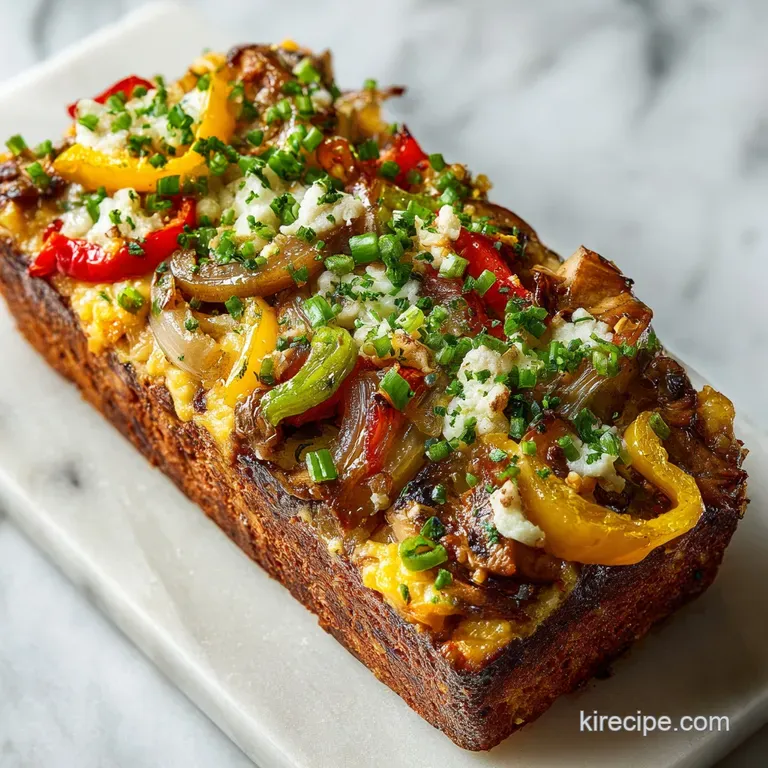
- Time: Active 20 minutes, Passive 55 minutes, Total 1 hours 15 mins
- Flavor/Texture Hook: Savory, beefy base with a velvety, molten cheese center and tender sautéed vegetables.
- Perfect for: A hearty weeknight dinner that feels like a weekend treat.
- Mastering My Juicy Philly Cheesesteak Meatloaf Recipe
- The Moisture Retention Laws of Meatloaf
- Component Analysis for Meatloaf Success
- Selecting Elements for Superior Umami Depth
- Necessary Gear for a Fuss Free Bake
- Executing the Perfect Meatloaf Assembly Process
- Fixing Common Prep and Texture Mistakes
- Flavor Adaptations and Smart Ingredient Swaps
- Optimal Storage for Your Leftover Slices
- Pairing Suggestions for the Ultimate Meal
- High in Sodium
- Recipe FAQs
- 📝 Recipe Card
Mastering My Juicy Philly Cheesesteak Meatloaf Recipe
The kitchen smells exactly like a corner deli in South Philly right now. It is that specific, irresistible aroma of green bell peppers hitting hot oil, quickly followed by the sharp, sweet scent of dicing onions.
I remember the first time I tried to make a "cheesesteak" inspired dish; I just threw raw peppers into the meat. It was a disaster crunchy, watery, and completely lacked that greasy spoon soul we crave. But when you sauté those veggies until they're soft and golden before they ever touch the beef?
That is when the magic happens.
We have all been there with dry, crumbly meatloaf that tastes like a cardboard box. This version changes the narrative. By leaning into the 80/20 fat ratio and a sneaky splash of bone broth, we are creating something that practically melts.
You do not need a fancy degree or a million tools just a single skillet, a large bowl, and a standard loaf pan. We are going for bold, aggressive flavors here, skipping the bland fillers in favor of smoked paprika and sharp provolone.
This recipe is the answer to that "what's for dinner" dread. It is fast enough for a Tuesday but special enough that everyone will be asking for seconds (and the leftovers make the most incredible sandwiches you have ever had).
Trust me, once you see that molten cheese center pull away from the knife, you will never go back to the basic ketchup topped version again. Let's get into the specifics of why this works so well.
The Moisture Retention Laws of Meatloaf
Building a better loaf requires a bit of kitchen logic to prevent the dreaded "meat brick" texture. We aren't just mixing things together; we are creating an emulsion that holds onto juice.
- Fat to Lean Ratio Logic: Using 80/20 ground beef provides enough rendered fat to lubricate the protein fibers during the long bake, preventing the meat from tightening into a dry mass.
- The Panade Principle: Mixing panko and eggs creates a structural "gel" that traps the beef juices and the added bone broth, ensuring the moisture stays inside the loaf instead of leaking into the pan.
- Aromatic Hydrolysis: Sautéing the onions, peppers, and mushrooms breaks down their cell walls, releasing their internal water early so they don't steam the meat from the inside out, which often causes meatloaf to fall apart.
- Thermal Insulation: Centering the provolone slices creates a heat shield effect, where the cheese melts slowly and bastes the interior meat while the outside develops a mahogany crust.
| Thickness | Internal Temp | Rest Time | Visual Cue |
|---|---|---|---|
| 2.5 inches | 160°F | 10 mins | Juices run clear, cheese is molten |
| 3.0 inches | 160°F | 12 mins | Deep brown exterior, firm to touch |
| 2.0 inches | 160°F | 8 mins | Edges are slightly darkened and crisp |
Giving the meatloaf a proper rest is not just a suggestion; it is a requirement for a clean slice. If you cut into it the second it leaves the oven, the internal pressure will push all those glorious juices out onto the cutting board, leaving you with a dry dinner.
A ten minute rest allows the protein fibers to relax and reabsorb the moisture.
Component Analysis for Meatloaf Success
| Ingredient | Science Role | Pro Secret |
|---|---|---|
| Ground Beef (80/20) | Primary structural protein and flavor base | Keep the meat cold until the very moment you mix to keep fats intact |
| Cremini Mushrooms | Natural umami booster and moisture reservoir | Grate them on a box grater so they vanish into the meat texture |
| Panko Breadcrumbs | Moisture binding starch | Use unseasoned panko to control the salt levels yourself |
| Beef Bone Broth | Collagen rich hydration | Adds a "velvety" mouthfeel that regular water or milk lacks |
The mushrooms are my favorite "secret" weapon in this recipe. They act like little sponges, soaking up the beef fat and releasing it back into the meat as it cooks. Most people won't even know they are there, but they will definitely notice how juicy the loaf is compared to others.
Selecting Elements for Superior Umami Depth
Gathering your ingredients is about more than just checking boxes; it is about choosing components that play well together. We want high impact flavors that cut through the richness of the beef.
- 1 tbsp Extra Virgin Olive Oil: For sautéing the aromatics. Why this? High smoke point and adds a subtle fruity note to the veg. (Sub: Avocado oil)
- 1 large Yellow Onion: Finely diced. Why this? Provides essential sweetness when caramelized. (Sub: White onion)
- 1 large Green Bell Pepper: Finely diced. Why this? The classic, slightly bitter "Philly" flavor profile. (Sub: Red bell pepper for sweetness)
- 4 oz Cremini Mushrooms: Finely chopped. Why this? Deepens the beefy flavor without adding extra meat. (Sub: White button mushrooms)
- 2 cloves Garlic: Minced. Why this? Adds aromatic complexity to the vegetable base. (Sub: 1 tsp garlic powder)
- 2 lbs Ground Beef (80/20 blend): The star of the show. Why this? The fat content is non negotiable for flavor. (Sub: Ground bison for a leaner, gamier profile)
- 1/2 cup Panko breadcrumbs: The binder. Why this? Creates a lighter, airier texture than traditional crumbs. (Sub: Crushed saltine crackers)
- 2 large Eggs: The "glue". Why this? Binds the protein and fat together. (Sub: 1/4 cup plain yogurt)
- 2 tbsp Worcestershire sauce: The salt and acid. Why this? Provides that classic steakhouse fermented funk. (Sub: Soy sauce mixed with a drop of lemon juice)
- 1 tsp Smoked Paprika: For depth. Why this? Mimics the "charred" flavor of a flat top grill. (Sub: Liquid smoke - use only 2 drops)
- 1 tsp Kosher Salt: Enhancer. Why this? Larger grains make it harder to over salt. (Sub: Sea salt)
- 1/2 tsp Cracked Black Pepper: For heat. Why this? Freshly cracked provides a floral heat that pre ground lacks. (Sub: White pepper)
- 8 slices Sharp Provolone cheese: The creamy core. Why this? Melts beautifully with a distinct bite. (Sub: Mild provolone or Monterey Jack)
- 1 tbsp Beef Bone Broth: Extra hydration. Why this? Infuses the binder with pure beef flavor. (Sub: Beef stock or water)
Chef's Tip: Put your provolone slices in the freezer for about 15 minutes before you assemble the loaf. This prevents the cheese from melting too quickly and leaking out of the meat before the beef has a chance to set its structure.
Necessary Gear for a Fuss Free Bake
You don't need a kitchen full of gadgets for this. A simple 9x5 inch loaf pan is standard, but you can also use a rimmed baking sheet if you prefer a "free form" loaf with more surface area for browning.
- Large Skillet: (like a Lodge cast iron) for the vegetable sauté.
- Large Mixing Bowl: For combining the meat and binders.
- Box Grater: Useful if you want to "hide" the mushrooms by grating them.
- Instant read thermometer: The only way to guarantee a juicy result without guessing.
| Method | Time | Texture | Best For |
|---|---|---|---|
| Standard Oven | 55 mins | Crisp exterior, juicy core | Traditional dinner texture |
| Slow Cooker | 4-5 hours (Low) | Extremely tender, "pot roast" style | Hands off prep for busy days |
| Air Fryer | 35-40 mins | Very charred and crispy edges | Small batches or quick fixes |
Using a slow cooker is a great alternative if you are going to be out of the house, though you will miss that browned crust that the oven provides. If you go the slow cooker route, make sure to drain the excess grease halfway through to keep the bottom from getting soggy.
Executing the Perfect Meatloaf Assembly Process
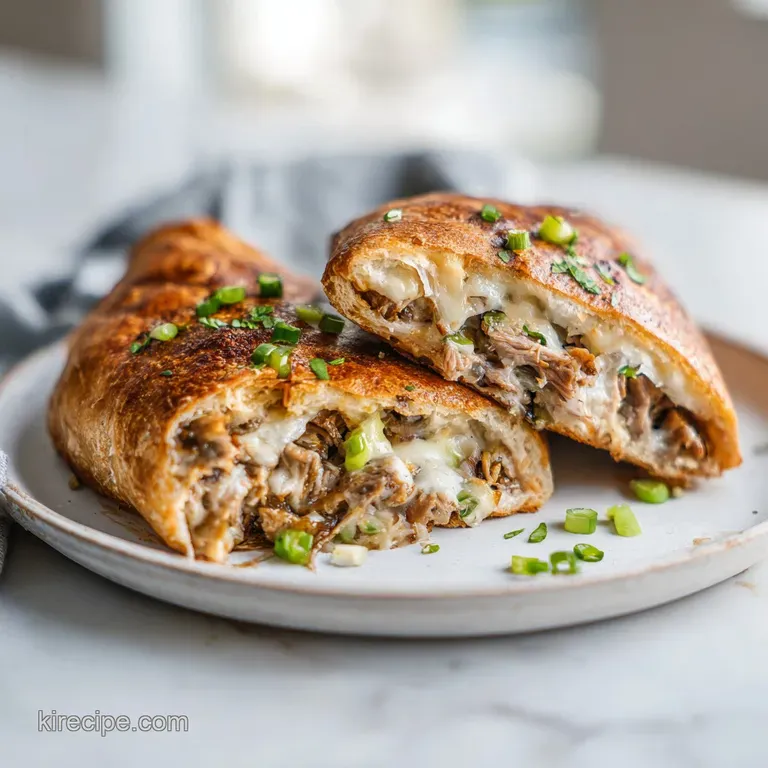
Right then, let's get cooking. The goal here is to handle the meat as little as possible to keep it tender.
- Sauté the aromatics. Heat 1 tbsp Extra Virgin Olive Oil in a skillet over medium heat. Add the diced onion, green pepper, and mushrooms, cooking until soft and the onions are translucent.
- Infuse the garlic. Stir in the minced garlic and cook for 30 seconds until fragrant. Remove from heat and let the mixture cool completely. Note: Adding hot veggies to raw meat will start to cook the fat prematurely.
- Prepare the binder. In your large bowl, whisk the 2 eggs, 2 tbsp Worcestershire sauce, 1 tsp Smoked Paprika, 1 tsp Kosher Salt, 1/2 tsp Cracked Black Pepper, and 1 tbsp Beef Bone Broth.
- Incorporate the crumbs. Stir the 1/2 cup Panko breadcrumbs into the wet mixture and let it sit for 2 minutes until a thick paste forms.
- Combine the meat. Add the 2 lbs Ground Beef and the cooled vegetable mixture to the bowl. Use your hands to gently fold everything together until just combined.
- Layer the base. Press half of the meat mixture into a lightly greased loaf pan, creating a slight "trough" in the middle.
- Add the cheese. Fold the 8 slices of Sharp Provolone and lay them into the trough. Note: Keep the cheese away from the very edges to prevent it from leaking out.
- Seal the loaf. Place the remaining meat mixture on top, pinching the edges until the cheese is completely encased.
- Bake the loaf. Place in a preheated 350°F (180°C) oven and bake for 55 minutes until the internal temperature hits 160°F.
- The essential rest. Remove from the oven and let the loaf sit in the pan for 10 minutes until the juices settle before slicing.
Fixing Common Prep and Texture Mistakes
Nothing ruins a meal like a meatloaf that falls apart or swims in grease. Most issues come down to temperature control and mixing technique.
Why Your Meatloaf is Falling Apart
If your slices are crumbling, it is usually because the "panade" (the breadcrumb and egg mixture) didn't have enough time to hydrate or the meat was mixed too coldly. The eggs act as the glue, but they need the starch from the panko to create a strong bond.
Another culprit is cutting the vegetables too large; big chunks of pepper create "fault lines" in the meat structure.
Too Much Grease in the Pan
Using 80/20 beef means there will be rendered fat. This is flavor, but too much can make the bottom soggy. If you aren't using a loaf pan with a built in drain, you can place a couple of slices of bread at the bottom of the pan before adding the meat.
The bread will soak up the excess grease like a sponge, leaving the meatloaf perfectly moist but not oily.
| Problem | Root Cause | Solution |
|---|---|---|
| Dry Texture | Lean meat or overcooking | Use 80/20 beef and pull at exactly 160°F |
| Cheese Leakage | Improper sealing | Ensure a 1/2 inch meat border around the cheese core |
| Bland Flavor | Under seasoning the veg | Salt the onions and peppers while they sauté |
Common Mistakes Checklist
- ✓ Never mix the meat while it is ice cold; let it sit out for 10 mins so the fats are more pliable.
- ✓ Sauté the vegetables until the moisture has evaporated to prevent a watery loaf.
- ✓ Don't skip the bone broth; it provides the "gluey" richness that keeps the crumb velvety.
- ✓ Avoid overmixing; stop the moment you see no more streaks of plain beef.
- ✓ Use a meat thermometer instead of a timer; every oven fluctuates.
Flavor Adaptations and Smart Ingredient Swaps
Sometimes you have to work with what is in the pantry. This Philly Cheesesteak Meatloaf is surprisingly flexible if you follow the basic ratios.
Scaling for different needs:DOWN (1 lb beef): Use 1 egg, 1/4 cup panko, and reduce bake time to 35-40 minutes. Use a smaller "mini loaf" pan or shape it into a round boule. UP (4 lbs beef): Do not double the salt use 1.5x only.
Work the vegetables in two batches to ensure they sauté rather than steam. Use two separate loaf pans rather than one giant one to ensure even cooking.
The "Philly Cheesesteak Meatloaf wrapped in bacon" Method
For an even more indulgent version, drape 6-8 slices of bacon over the top of the loaf before baking. The bacon fat will baste the meat as it renders. You may need to broil the loaf for the last 3 minutes to get the bacon "shatter" crisp.
The Keto Friendly Swap
If you are skipping grains, swap the 1/2 cup panko for 1/2 cup of crushed pork rinds or almond flour. The pork rinds add a fantastic salty depth, while almond flour keeps the moisture high but results in a slightly denser crumb.
Optimal Storage for Your Leftover Slices
The beauty of this recipe is that it actually tastes better the next day. As the loaf cools and sits, the flavors of the Worcestershire and smoked paprika marry with the beef.
- Fridge Storage: Wrap tightly in foil or place in an airtight container for up to 4 days.
- Freezer Guidelines: You can freeze the cooked loaf (whole or sliced) for up to 3 months. Wrap in plastic wrap first, then a layer of heavy duty foil to prevent freezer burn.
- Zero Waste Tip: Take the leftover ends of the meatloaf, crumble them up, and fry them in a pan with a little extra provolone. Toss this over a pile of crispy fries for "Meatloaf Philly Fries."
To reheat, avoid the microwave if possible, as it can make the beef rubbery. Instead, place a slice in a skillet with a teaspoon of butter over medium heat. Sear both sides until the cheese in the middle starts to glisten again.
This gives you those crispy "deli style" edges that are honestly better than the first time around.
Pairing Suggestions for the Ultimate Meal
Since this is a heavy, protein forward dish, you want side dishes that can stand up to the richness or provide a bright contrast.
- Steakhouse Fries: Thick cut potato wedges seasoned with plenty of salt and parsley.
- Garlic Mashed Potatoes: The classic pairing. Use plenty of butter to mirror the richness of the provolone.
- Vinegar based Coleslaw: The acidity cuts right through the beef fat and refreshes the palate between bites.
- The Sandwich Route: Slice the cold meatloaf thin, put it on a toasted hoagie roll with extra sautéed onions, and a swipe of horseradish mayo.
Searing a slice of this meatloaf and serving it on a toasted brioche bun is basically the ultimate "patty melt" hack. The integrated peppers and onions mean you already have all the toppings built right into the meat. It's brilliant.
Don't overthink the process. The "science" is just a guide to help you understand why we sauté the peppers or why the eggs matter. At the end of the day, it's about that first bite of juicy beef and molten cheese. It's fuss free, flavor packed, and exactly what a weeknight dinner should be.
Let's crack on and get that oven preheated!

High in Sodium
854 mg mg of sodium per serving (37% % of daily value)
American Heart Association recommends limiting sodium intake to about 2,300mg per day.
Tips to Reduce Sodium
-
Reduce Cheese Sodium-15%
Sharp Provolone is high in sodium. Substitute with a lower sodium cheese option like Swiss or Monterey Jack, or simply reduce the amount of cheese used per serving. This can significantly lower the sodium content.
-
Reduce Added Salt-25%
Eliminate or greatly reduce the added kosher salt (1 tsp). Taste the dish before adding any salt at all. You can always add more later, but you can't take it away! Cutting this can make a substantial difference.
-
Low Sodium Broth-30%
Use a low-sodium or no-sodium added beef broth. Alternatively, you can use water with a touch of beef bouillon (ensure it's low-sodium too!) for flavor.
-
Lower Sodium Sauce-20%
Worcestershire sauce can contain a surprising amount of sodium. Use a low-sodium version, or reduce the amount used by half. Alternatively, experiment with other flavor enhancers like balsamic vinegar or a touch of soy sauce (use sparingly and low sodium version).
-
Choose Leaner Ground Beef-10%
While not a primary source, using leaner ground beef (e.g., 90/10 blend) will reduce the overall need to season the meat as much because less of the fat will render out, and less seasoning will be lost with it.
-
Spice It Up!
Experiment with fresh and dried herbs and sodium free spice blends to boost flavor without adding salt. Options include garlic powder, onion powder, dried oregano, basil, thyme, or a chili powder blend.
Recipe FAQs
Where did Philly cheesesteak meatloaf originate?
It is a contemporary fusion dish, not a traditional recipe. This concept blends the classic flavor profile of a Philadelphia cheesesteak steak, onions, peppers, provolone into the familiar structure of an American baked meatloaf.
What is the secret to moist meatloaf?
Use an 80/20 ground beef ratio and sauté your vegetables first. The fat lubricates the protein fibers during baking, and pre-cooking the vegetables prevents them from releasing water inside the loaf, which causes dryness.
What meat is good to use for Philly cheesesteak?
Use 80/20 ground beef for the best moisture and flavor balance. This fat content is non-negotiable for replicating that rich, savory character found in a true cheesesteak.
What is the secret ingredient in Philly cheesesteak?
Sharp Provolone cheese used as an internal core provides the signature flavor. While the sautéed peppers and onions are crucial, the melted, sharp provolone mimics the cheese layer found in the sandwich.
How do I prevent the cheese core from leaking out during baking?
Freeze the provolone slices for 15 minutes prior to assembly. Ensure you completely encase the cheese with at least a half inch of meat mixture on all sides to create a proper seal.
How can I add extra umami depth to the meat mixture?
Incorporate grated Cremini mushrooms and Worcestershire sauce. Mushrooms release moisture that keeps the loaf tender while imparting deep, earthy savoriness.
Is it true that resting the meatloaf makes it dry?
No, this is a common misconception; resting is essential for moisture retention. Allow the loaf to rest for 10 minutes after baking so the internal juices can redistribute into the meat fibers instead of running onto your cutting board.
Philly Cheesesteak Meatloaf
Ingredients:
Instructions:
Nutrition Facts:
| Calories | 506 kcal |
|---|---|
| Protein | 36 g |
| Fat | 33 g |
| Carbs | 12 g |
| Fiber | 2 g |
| Sugar | 3 g |
| Sodium | 854 mg |
