Ina Garten Prime Rib Roast: High Heat Crust
- Time: Active 20 minutes, Passive 1 hour 45 mins, Total 2 hours 5 mins
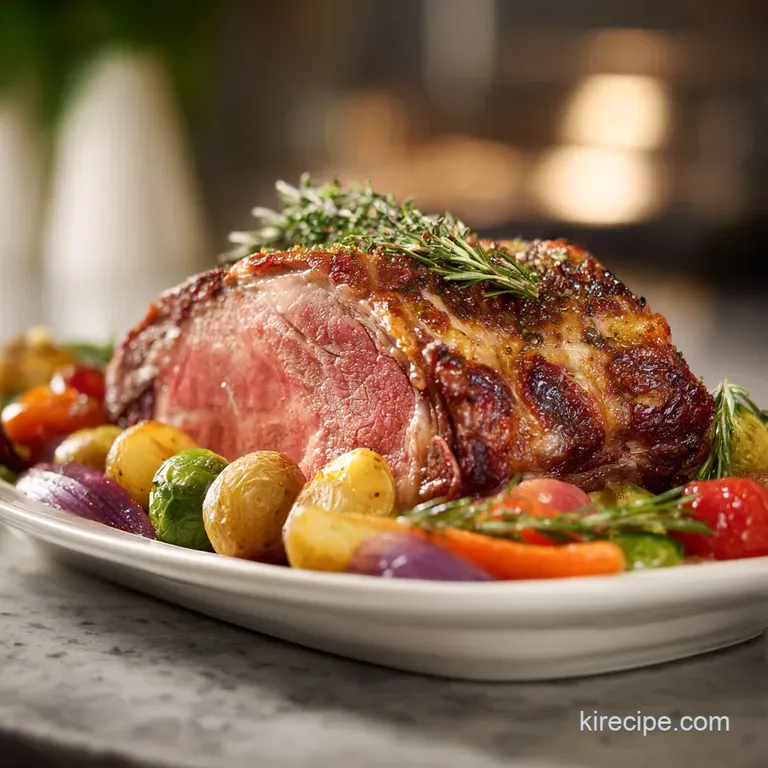
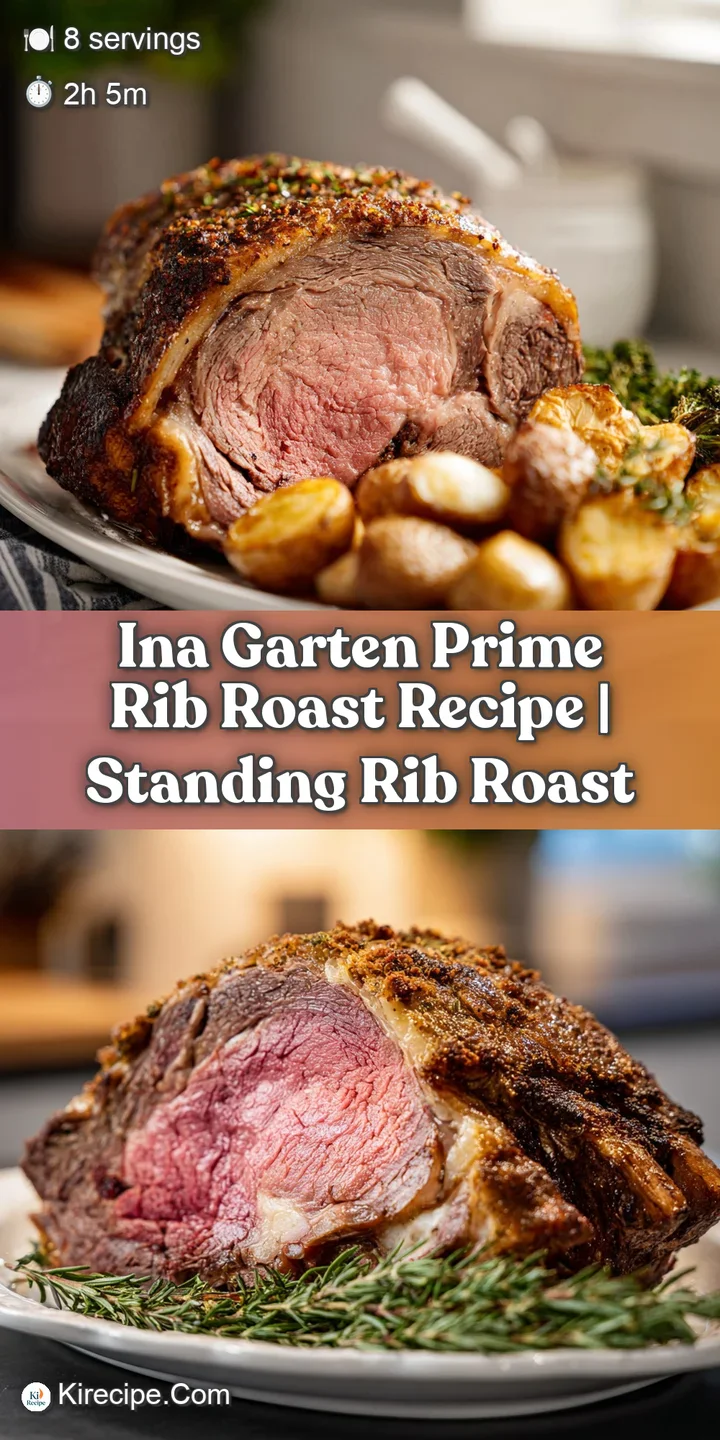
- Flavor/Texture Hook: A salty, herb rubbed mahogany crust with a buttery, rosy interior
- Perfect for: Holiday centerpieces or a fuss free but fancy Sunday dinner
- The Thermal Logic of a Standing Rib Roast
- Key Numbers for an Ina Garten Prime Rib Roast
- The Essential Components for a Crusty Roast
- Low Tech Tools for High End Results
- Steps to Achieving the Perfect Mahogany Crust
- Fixing the Most Frequent Prime Rib Fails
- Customizing Your Roast for Maximum Impact
- Managing Leftovers and Prep for Busy Cooks
- Pairings to Cut Through the Richness
- Myth Busting the Rib Roast
- High in Sodium
- Recipe FAQs
- 📝 Recipe Card
The Thermal Logic of a Standing Rib Roast
There is nothing quite like the sound of a heavy roasting pan hitting the counter, followed by that rhythmic clink clink of a carving knife being sharpened. I remember the first time I tackled a big roast; I was so terrified of overcooking it that I checked the temp every five minutes, letting all the heat out of the oven.
It was a stressful mess. But then I found the rhythm of this specific technique, and it changed everything. The sizzle you hear when that beef hits the high heat is the sound of flavor being locked in through pure physics.
We are going for a specific result here: a roast that looks like it belongs on a magazine cover but feels totally doable on a busy Saturday. This ina garten prime rib roast relies on a simple truth beef needs room to breathe and time to rest. If you rush the prep or skip the rest, you lose the magic.
We want that fat cap to render down into liquid gold, basting the meat from the outside in while the thyme and pepper form a savory seal. It’s flavor packed, reliable, and honestly, a bit of a showstopper.
Key Numbers for an Ina Garten Prime Rib Roast
To get this right, we have to talk about the relationship between heat and mass. A 3 bone roast is a serious piece of protein, weighing in at 7.5 lbs (about 3.4 kg). Because it's a "standing" roast, the bones act as a natural rack, keeping the meat off the bottom of the pan and allowing air to circulate.
This ensures the bottom doesn't get soggy while the top gets that signature crunch.
- The Maillard Reaction
- High initial heat triggers a chemical reaction between amino acids and sugars, creating that dark, savory crust.
- Carryover Cooking
- Internal temperature will rise about 5°C (10°F) after you pull it from the oven, so we pull it early to hit that rosy pink.
- Fat Rendering
- The 16% fat sour cream in the sauce provides a cooling, acidic contrast that cuts right through the richness of the rib eye.
| Thickness (per bone) | Internal Temp (Pull) | Rest Time | Visual Cue |
|---|---|---|---|
| 2.5 - 3 inches | 120°F (49°C) | 30 minutes | Warm, deep red center |
| 2.5 - 3 inches | 125°F (52°C) | 30 minutes | Bright pink, juicy center |
| 2.5 - 3 inches | 135°F (57°C) | 25 minutes | Pale pink, firmer texture |
Managing these variables is what separates a "good" dinner from a legendary one. If you're looking for something equally impressive but with a different flavor profile, you might want to try a Dinty Moore Beef recipe for those nights when you want tender beef without the high stakes carving. But for today, we are sticking with the king of roasts.
The Essential Components for a Crusty Roast
The beauty of this list is that it’s short. When you have a 3.4 kg piece of prime beef, you don't want to hide it behind twenty different spices. We are using coarse textures coarsely cracked pepper and Kosher salt because they don't just season; they create physical topography on the surface of the meat.
That texture is what catches the heat and turns into a salty, peppery bark that people will fight over.
| Component | Science Role | Pro Secret |
|---|---|---|
| Standing Rib Roast | Bone in conduction | Leave the fat cap at least 1/4 inch thick for self basting. |
| Kosher Salt | Protein denaturing | Use 1.5 tbsp to draw moisture out, then reabsorb it as seasoned brine. |
| Fresh Thyme | Volatile aromatics | Mince it finely so it sticks to the salt/pepper rub and doesn't burn. |
| Prepared Horseradish | Pungent contrast | Drain it well; excess vinegar will make your sauce split. |
For the sauce, the heavy duty mayonnaise is a small but vital addition. It provides an emulsified base that keeps the sour cream from feeling too thin. It's a trick I learned after many "watery" sauce disasters. You want that sauce to coat the back of a spoon and stay there.
It should be thick, creamy, and have enough kick to make your sinuses tingle.
What You'll Need
- 1 (3 bone) Standing Rib Roast (7.5 lbs / 3.4 kg):Why this? The bones act as a heat conductor and flavor enhancer during the long roast.
- Substitute: A boneless rib eye roast (reduce cook time by 20%).
- 1.5 tbsp Kosher salt:Why this? Larger crystals distribute more evenly and won't over salt like table salt.
- Substitute: 1 tbsp Sea salt.
- 1 tbsp Coarsely cracked black pepper:Why this? Provides a spicy, textural crunch that stands up to the rich fat.
- Substitute: 1 tbsp Multi colored peppercorns for a milder heat.
- 1 tbsp Fresh thyme leaves, minced:Why this? Adds an earthy, floral note that balances the heavy umami of the beef.
- Substitute: 1 tsp Dried thyme (use less as it's more concentrated).
- 1 cup 16% fat Sour cream:Why this? High fat content ensures a velvety mouthfeel and resists breaking.
- Substitute: Full fat Greek yogurt (adds more tang, less creaminess).
- 2 tbsp Heavy duty mayonnaise:Why this? Adds stability and a rich, rounded finish to the horseradish sauce.
- Substitute: Crème fraîche for a more French style finish.
- 3 tbsp Prepared horseradish, drained:Why this? The "heat" comes from the volatile oils released when the root is grated.
- Substitute: 1 tbsp Freshly grated horseradish (it's much stronger!).
- 1 tsp Dijon mustard:Why this? Acting as an emulsifier, it binds the sauce and adds a sharp depth.
- Substitute: Whole grain mustard for added texture.
- 1 tbsp Fresh chives, finely chopped:Why this? Provides a fresh, oniony "pop" that brightens the heavy sauce.
- Substitute: Minced green onion tops.
Low Tech Tools for High End Results
This is a minimal tool recipe. You don't need a sous vide machine or a fancy smoker to make a world class ina garten prime rib roast. In fact, keeping it simple usually yields better results because there’s less to go wrong. A heavy duty roasting pan is your best friend here.
If you don't have one, a large cast iron skillet (like a Lodge) can work for a 3 bone roast, but a stainless steel pan with high sides is better for catching those precious drippings without them burning.
You will also need a reliable meat thermometer. Trusting a timer with a expensive piece of meat is a recipe for heartbreak. Every oven has hot spots, and every roast has a different fat to muscle ratio. A simple digital probe takes the guesswork out of the equation.
Aside from that, a sharp carving knife and a sturdy cutting board with a juice groove are all that stand between you and a flawless dinner.
Chef's Tip: If you have time, salt the roast and leave it uncovered in the fridge for 24 hours. This "dry brines" the meat, resulting in a significantly more intense crust and deeper seasoning throughout the entire roast.
Steps to Achieving the Perfect Mahogany Crust
- Tempering the Meat. Take your 7.5 lbs roast out of the fridge at least 2 hours before cooking. Note: Cold meat cooks unevenly, leaving you with a grey ring of overcooked beef around a raw center.
- Preheating the Oven. Set your oven to 500°F (260°C). We want it screaming hot for the initial blast.
- Applying the Rub. Pat the beef bone dry with paper towels. Mix the 1.5 tbsp salt, 1 tbsp pepper, and 1 tbsp thyme, then press it firmly into every nook and cranny of the fat cap and sides.
- The over High heat Blast. Place the roast in the pan, bone side down. Roast for exactly 20 minutes. Until the kitchen smells like a steakhouse and the fat begins to bubble and brown.
- The Temperature Drop. Without opening the oven door, turn the heat down to 325°F (160°C). Note: This gentle heat allows the middle to reach temperature without the outside burning.
- Monitoring the Core. Continue roasting for about 1 hour 15 mins to 1 hour 45 mins. Until a thermometer hits 125°F (52°C) for medium rare.
- Whipping the Sauce. While the beef roasts, whisk together the sour cream, mayo, horseradish, Dijon, and chives. Chill until serving.
- The Strategic Rest. Move the roast to a cutting board. Tent it loosely with foil and let it sit for at least 30 minutes. Note: This allows the juices to redistribute so they don't all run out when you slice.
- The Carving. Run your knife along the curve of the bones to remove the entire rack. Slice the boneless meat into thick, juicy slabs.
- Plating. Serve each slice with a generous dollop of the chilled horseradish sauce.
For a side that can stand up to this level of beef, I often serve this with a Grilled Vidalia Onion recipe. The sweetness of the onions is the perfect foil for the salty, peppery crust of the rib roast. It's a combination that never fails to impress.
Fixing the Most Frequent Prime Rib Fails
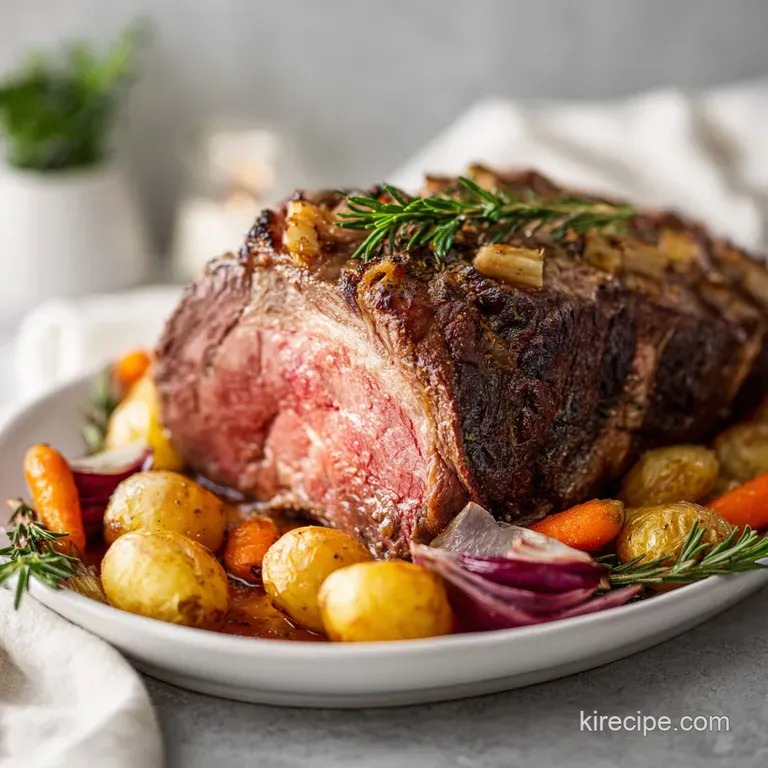
The biggest fear with a prime rib is serving a "grey" roast meat that is overcooked and dry. This usually happens because of "carryover cooking." Remember, that roast is a giant heat battery. Even after you pull it out of the oven, the internal temperature will continue to climb.
If you wait until the thermometer says 135°F in the oven, you'll be eating medium well by the time you sit down.
Another common issue is a soggy crust. If your oven isn't venting properly or if you add liquid to the pan, you end up steaming the meat instead of roasting it. You want dry heat. If you see a lot of smoke, don't panic that's just the fat rendering at high speed. Just crack a window and trust the process.
Why Your Roast Might Struggle
- The center is cold but the outside is dark: You likely skipped the "tempering" step. Cold beef takes much longer to heat through.
- The meat is tough and chewy: You might have sliced it too soon. That 30 minute rest is non negotiable for tender fibers.
- The sauce is too spicy: Horseradish varies wildly in heat. Always start with 2 tablespoons and work your way up.
| Problem | Root Cause | Solution |
|---|---|---|
| Uneven Doneness | Meat was too cold when it hit the oven. | Let the roast sit at room temp for 2 full hours next time. |
| Excessive Smoking | Fat drippings are burning on a thin pan. | Add a few sliced onions to the bottom of the pan to absorb heat. |
| Bland Interior | Salt didn't penetrate deep enough. | Dry brine the roast with salt 24 hours in advance. |
Common Mistakes Checklist
- ✓ Don't trim off all the fat - it's your flavor insurance policy.
- ✓ Never use a dull knife to carve; you'll tear the delicate fibers of the meat.
- ✓ Avoid checking the oven door constantly; every peek drops the temp by 25 degrees.
- ✓ Ensure your thermometer isn't touching a bone, or you'll get a false high reading.
- ✓ Don't skip the mayo in the sauce; it provides the structure the sour cream lacks.
Customizing Your Roast for Maximum Impact
While the classic ina garten prime rib roast is hard to beat, sometimes you want to tweak things based on what you have in the pantry. If you're out of fresh thyme, rosemary is a fantastic, more resinous alternative that stands up even better to the over high heat blast.
You can also mix in a teaspoon of garlic powder to the rub if you want a more "steakhouse" vibe.
For those who want to skip the bone in hassle, you can use the same temperature logic for a boneless roast. Just be aware that it will cook about 15-20% faster. If you really want to go over the top, try our Pan Seared Wagyu recipe logic for smaller portions, but for a crowd, the standing rib roast is the undisputed champion.
| Original Ingredient | Substitute | Why It Works |
|---|---|---|
| Fresh Thyme | Fresh Rosemary | Similar woody profile but stronger; holds up well to 500°F heat. |
| Sour Cream | Greek Yogurt | Same creamy texture. Note: Adds a sharper tang and more protein. |
| Dijon Mustard | Dry Mustard Powder | Provides the same acidic kick without the extra moisture. |
Managing Leftovers and Prep for Busy Cooks
If you find yourself with leftovers which is a blessing, trust me don't just throw them in the microwave. Microwaves turn beautiful medium rare beef into rubber. Instead, slice the cold roast thin and use it for the best French Dip sandwiches of your life.
Or, if you want to reheat a thick slice, put it in a 250°F (120°C) oven with a splash of beef broth until just warmed through.
The Ina Garten Horseradish recipe is actually better the next day anyway. The chives and horseradish have time to meld into the sour cream, creating a much more cohesive flavor. I often make a double batch of the sauce just to have it for steak salads throughout the week. It's fuss free prep that pays dividends later.
Storage: Keep the roast wrapped tightly in foil in the fridge for up to 4 days. The sauce will stay fresh in an airtight container for about 5 days. Zero Waste: Save those ribs! Even if you've carved the meat off, the bones make an incredible base for beef barley soup or a rich stock.
Don't let that flavor go to waste.
Pairings to Cut Through the Richness
A dish this heavy needs something bright or acidic to keep your palate from getting overwhelmed. A simple arugula salad with a lemon vinaigrette works wonders, or you can go the traditional route with roasted root vegetables.
Because the oven is already occupied, I like to prep sides that can either cook at the same temperature as the beef or be finished quickly on the stovetop while the meat rests.
If you're looking for a seafood starter to make this a true surf and turf feast, the Ina Garten Cioppino recipe is a fantastic way to open the meal. The tomato based broth is a great contrast to the creamy horseradish and rich beef. Whatever you choose, keep it simple. When the main event is an ina garten prime rib roast, you really don't need much else to make the night feel special.
Quick Decision Guide
- If you want a deeper crust, use a cast iron roasting pan which holds heat better than stainless steel.
- If you want a milder sauce, whisk in an extra tablespoon of sour cream right before serving.
- If you are short on time, skip the room temperature tempering, but add 15 minutes to the over low heat roasting phase.
Myth Busting the Rib Roast
One common misconception is that you need to sear the meat in a pan before putting it in the oven. With the 500°F blast method, that’s completely unnecessary.
You get all the benefits of a sear the crust, the color, the flavor without the mess of hot oil splattering all over your stovetop. It's a much more efficient way to handle a large 3.4 kg piece of meat.
Another myth is that "bones add flavor to the meat." In reality, the bones act more as an insulator. They slow down the cooking of the meat directly attached to them, which is why the meat near the bone is always the juiciest and most tender.
The flavor comes from the fat and the seasoning, but the bones are essential for the texture and the "standing" structure of the roast. Trust me, keep the bones. They are the secret to that perfectly managed heat distribution.
High in Sodium
982 mg of sodium per serving (43% of daily value)
The American Heart Association recommends limiting sodium intake to no more than 2,300mg per day.
Tips to Reduce Sodium in Your Rib Roast
-
Reduce Kosher Salt-25%
Kosher salt is a significant contributor to the sodium content. Reduce the amount of kosher salt used from 1.5 tbsp to 1 tbsp. Taste and add more sodium free seasoning blend after cooking if needed.
-
Lower Sodium Horseradish-20%
Prepared horseradish can be high in sodium. Look for a low-sodium or no-salt added version, or consider making your own horseradish using fresh horseradish root.
-
Fresh Herbs-10%
Replace some of the salt with a greater quantity of fresh herbs. Increase the minced thyme and chives by 50% for a more flavorful roast without added sodium.
-
Spice it Up!
Experiment with different spices and herbs like garlic powder, onion powder, smoked paprika, or rosemary to enhance flavor without adding sodium.
Recipe FAQs
How do you cook Ina Garten prime rib?
Start with a 500°F blast for 20 minutes, then reduce to 325°F. This high low technique ensures a deep mahogany crust while preventing the center from overcooking. Be sure to pull the roast when the internal temperature reaches 125°F for medium rare, followed by a mandatory 30-minute rest.
What is the 500 rule for prime rib roast?
The 500 rule means searing the roast at 500°F for 20 minutes initially. This rapid blast triggers the Maillard reaction, locking in flavor and creating the signature crust. After 20 minutes, you immediately drop the oven temperature to a lower roasting temperature, around 325°F.
How to cook prime rib Bobby Flay?
Use a dry brine on the meat for at least 24 hours prior to roasting for best results. While this Ina recipe uses a high low oven approach, Flay often emphasizes aggressive dry-brining and relying heavily on smoke or wood fire for crust development.
What is the very best way to cook prime rib?
The very best way is a two-stage temperature cooking method like this one. It balances the need for an exterior crust with the necessity of gentle, even internal heating, which is why a 30-minute rest is crucial afterward for juice redistribution.
Should I sear the prime rib on the stovetop before roasting?
No, this is a common misconception when using the high heat oven method. The initial 20-minute blast at 500°F achieves the exact same flavorful searing effect without the added mess and difficulty of managing a large, slippery roast on a stovetop.
Why must I let the prime rib rest after cooking?
You must rest the roast for at least 30 minutes to allow muscle fibers to relax and reabsorb juices. If you cut it immediately, all the moisture rushes out onto the cutting board, leaving you with dry slices, a principle of protein coagulation you see when learning how to master steak searing techniques.
What temperature should I pull the prime rib from the oven?
Pull the roast when the thermometer reads 125°F (52°C) for a perfect medium rare center. Remember that carryover cooking will raise the internal temperature by about 5 degrees while it rests under the foil. This is the most important number to nail for that rosy interior.
Ina Garten Prime Rib Roast
Ingredients:
Instructions:
Nutrition Facts:
| Calories | 805 kcal |
|---|---|
| Protein | 49.6 g |
| Fat | 66.2 g |
| Carbs | 2.8 g |
| Fiber | 0.5 g |
| Sugar | 1.2 g |
| Sodium | 982 mg |
