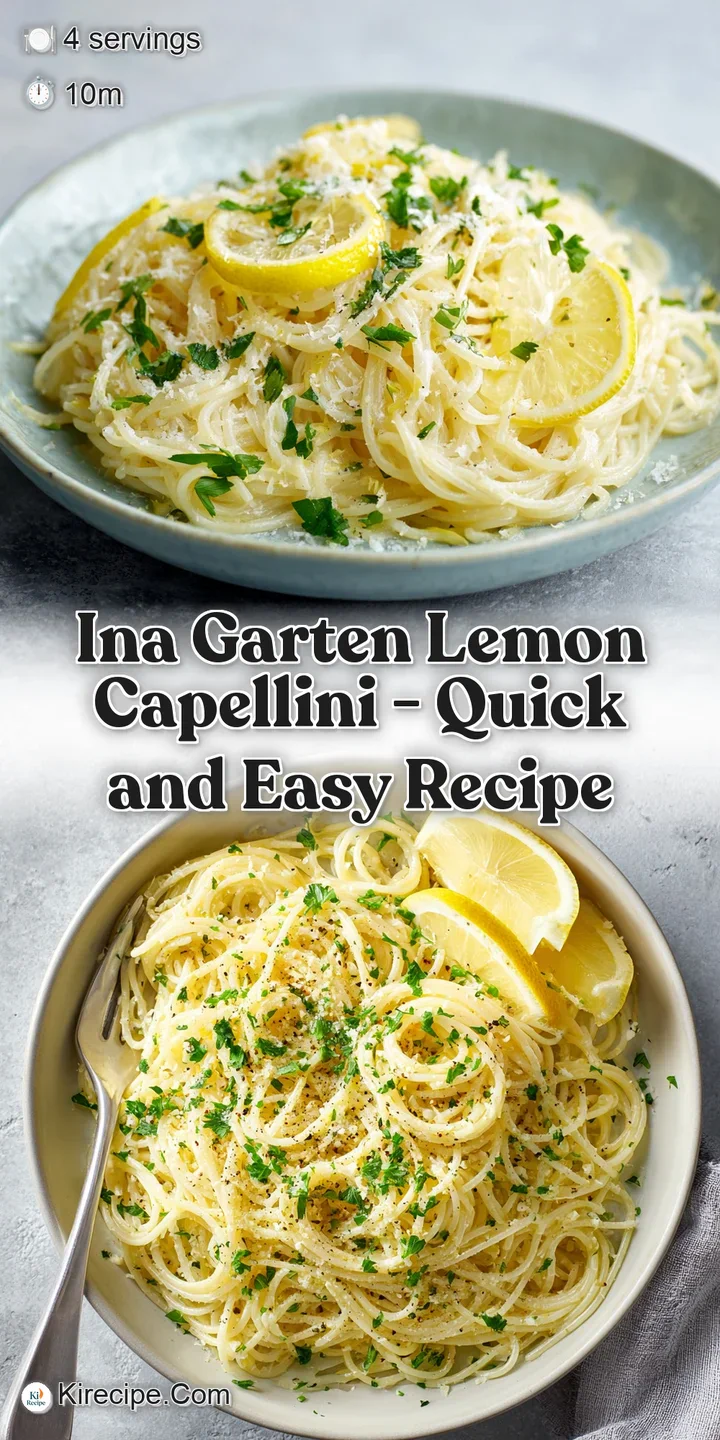
Ina Garten Lemon Capellini Recipe
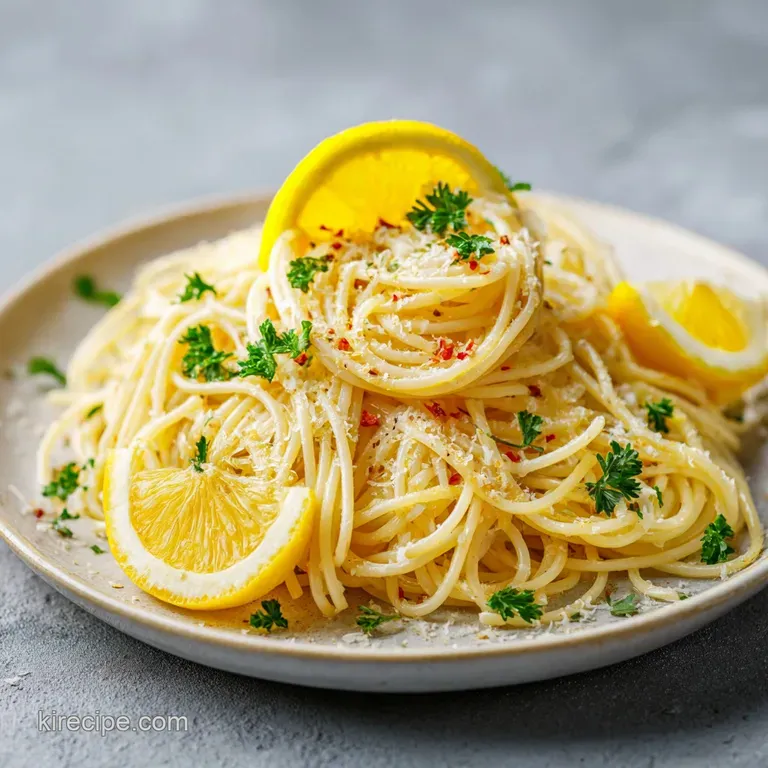
- Time: Active 5 mins, Passive 5 mins, Total 10 mins
- Flavor/Texture Hook: Velvety, butter slicked strands with a sharp, sun drenched citrus punch.
- Perfect for: High stress weeknights or an elegant, last minute date night.
- Why You Need This Ina Garten Lemon Capellini Now
- The Sensory Magic of This Bright Pasta
- The Physics of the Lemon Emulsion
- Component Analysis for Perfect Results
- Essential Ingredients and Smart Substitutes
- Tools for a Perfect Five Minute Pasta
- Master the Art of the Two Minute Boil
- Solving Common Pasta Pitfalls
- Scaling the Recipe for Any Crowd
- Citrus Pasta Myths
- Storage and Zero Waste Guidelines
- Pairing Ideas for a Complete Meal
- Recipe FAQs
- 📝 Recipe Card
Why You Need This Ina Garten Lemon Capellini Now
The first time I made this, the aroma of lemon zest hitting melting butter nearly knocked me sideways. It wasn't just "citrusy" it was an olfactory explosion that made my tiny kitchen smell like a grove in Amalfi.
I remember standing over the stove, watching two sticks of butter melt into a pale gold pool, wondering if Ina had finally lost her mind with the sheer amount of fat. But then I tossed in those delicate strands of capellini, and something happened.
The starch from the pasta met the acidity of the lemon and the richness of the butter, creating a sauce so silky it looked like liquid satin.
I used to be the person who overcomplicated pasta, adding heavy cream or complicated reductions that just weighed everything down. This dish taught me that flavor isn't about the number of ingredients; it's about the quality of the marriage between them.
When you take that first bite, the pasta should feel light and airy, yet every single strand is coated in a punchy, velvety sauce that clings without being greasy. It's a total sensory shift from the heavy, red sauce ruts we often find ourselves in.
We've all been there starving after a long day, staring at a box of pasta and a lonely lemon in the fridge. Most people would just throw some oil on there and call it a night. But we're going to do better.
We're going to use Ina's trick of reserved pasta water and high-quality butter to turn those basics into a $30 bistro style meal. Trust me, once you see how those tiny bubbles of starchy water "sizzle" and foam into a creamy emulsion, you'll never look at a lemon the same way again.
The Sensory Magic of This Bright Pasta
You can expect a dish that focuses entirely on texture and balance. The capellini is so thin it almost melts on the tongue, providing a delicate "shatter" of flavor when paired with the bite of freshly cracked black pepper. It’s a bright, high acid experience tempered by the sheer decadence of unsalted butter.
It feels fancy, but it's incredibly grounded.
The real promise here is speed without sacrifice. We aren't cutting corners; we're just using a highly efficient method. By the time your pasta water reaches a rolling boil, your sauce base is already infused with lemon oils and ready to receive the noodles.
It is the definition of a "pantry win." You get the zing of the zest, the richness of the Parmesan, and the fresh, herbaceous finish of flat leaf parsley in every forkful.
The Physics of the Lemon Emulsion
Acid Fat Bonding: The lemon juice acts as a surfactant, helping the fat in the butter and the starch in the pasta water to join together into a stable, creamy sauce. Without this acidity, the butter would simply sit on top of the noodles as a greasy film.
- Starch Suspension: Reserved pasta water contains amylose, which acts as a thickener to give the sauce body and "cling."
- Essential Oil Extraction: Adding lemon zest to the warm butter (rather than at the end) pulls out fat soluble flavor compounds that juice alone cannot provide.
- Carryover Hydration: Capellini is highly porous; it continues to absorb the lemon butter sauce for two minutes after tossing, deepening the flavor profile.
| Pasta Thickness | Boiling Time | Texture Goal | Visual Cue |
|---|---|---|---|
| Capellini (Angel Hair) | 2-3 mins | Al Dente | Translucent edges, firm core |
| Thin Spaghetti | 6-7 mins | Supple | Soft bend, no white center |
| Linguine | 9-10 mins | Chewy | Robust strand, holds heavy sauce |
This pasta is a high speed operation, and the table above shows just how narrow your window of success is with capellini. Because the noodles are so thin, they move from "perfect" to "mush" in about forty five seconds.
This is why we prep everything the zest, the juice, the cheese before the pasta even touches the water. It's a sprint, not a marathon, but the reward is a texture that feels like silk.
Component Analysis for Perfect Results
| Ingredient | Science Role | Pro Secret |
|---|---|---|
| Unsalted Butter | Primary lipid for mouthfeel | Use high fat European style for a deeper, nuttier finish. |
| Fresh Lemon Juice | Breaks down starch chains | Roll the lemon on the counter first to rupture juice sacs. |
| Reserved Pasta Water | Emulsifying agent | Scoop the water right before draining; it's starchiest then. |
| Parmesan Cheese | Salt and protein binder | Grate it yourself; pre shredded has cellulose that prevents melting. |
Adding a splash of the Lemon Beurre Blanc recipe technique here specifically the temperature control will ensure your butter doesn't separate.
Essential Ingredients and Smart Substitutes
- 1 lb Dried Capellini pasta: The star of the show. Why this? Its high surface area to volume ratio catches the most sauce.
- 1/2 lb Unsalted butter: Do not use margarine. Why this? It provides the foundational velvety texture and rich flavor.
- 3 large lemons: Zested and juiced. Why this? Freshness is non negotiable for the high acid profile.
- 1/2 cup Freshly grated Parmesan cheese: Why this? Adds a savory "umami" punch to balance the sour citrus.
- 1/4 cup Fresh flat leaf parsley: Finely chopped. Why this? Provides a peppery, fresh contrast to the heavy fat.
- 1 tbsp Kosher salt: For the pasta water.
- 1 tbsp Extra virgin olive oil: Prevents initial clumping.
- 2 tsp Freshly cracked black pepper: Essential for heat.
- 1 tsp Kosher salt: For the sauce seasoning.
| Original Ingredient | Substitute | Why It Works |
|---|---|---|
| Unsalted Butter | Ghee | Higher smoke point but same fat content. Note: Lacks the milk solids that help the emulsion. |
| Capellini | Thin Spaghetti | Similar shape but requires 4-5 minutes more boiling time. |
| Parmesan | Pecorino Romano | Salty and sharp. Note: Much saltier, so reduce added kosher salt by half. |
| Flat leaf Parsley | Fresh Basil | Adds a sweet, anise like aroma that pairs beautifully with lemon. |
If you find yourself out of lemons but have a jar of preserved citrus, you can mimic some of that depth, similar to the bright notes in my Lemon Chicken Hollandaise recipe. However, for this specific Ina style dish, fresh juice is truly the king of the kitchen.
Tools for a Perfect Five Minute Pasta
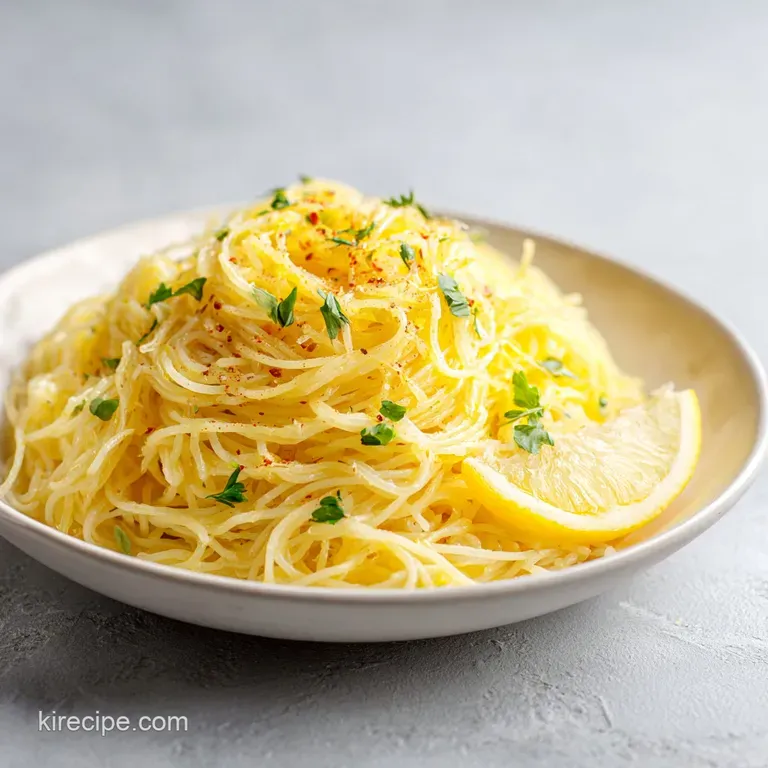
You don't need a professional kitchen, but a large, heavy bottomed sauté pan is a must. You need enough surface area to toss the pasta vigorously without it flying across the room.
A microplane zester is also your best friend here; you want tiny, gossamer thin shreds of zest that melt into the sauce rather than long, chewy strands.
I also highly recommend using a spider strainer or tongs to move the pasta directly from the pot to the pan. This naturally carries over some of that "liquid gold" pasta water. If you dump everything into a colander in the sink, you lose the very thing that makes the sauce work.
Plus, who wants to wash an extra colander? Not me.
Master the Art of the Two Minute Boil
- Boil the water. Fill a large pot with water, add 1 tbsp kosher salt and 1 tbsp olive oil, and bring to a "rolling" sizzle.
- Prep the citrus base. While the water heats, zest and juice your 3 lemons into a small bowl. Note: Keep the zest and juice separate to control the infusion.
- Melt the butter. In a large sauté pan over medium low heat, melt 1/2 lb unsalted butter until it begins to foam.
- Infuse the fat. Add the lemon zest and 2 tsp cracked black pepper to the butter. Cook for 1 minute until fragrant.
- Add the acidity. Pour in the lemon juice and 1 tsp kosher salt, swirling the pan to combine.
- Flash cook the pasta. Drop 1 lb capellini into the boiling water and cook for exactly 2 minutes until just tender.
- Transfer the noodles. Use tongs to lift the pasta directly into the butter sauce, allowing some water to tag along.
- Create the emulsion. Add 1/2 cup Parmesan and 1/4 cup parsley. Toss vigorously for 1 minute until the sauce is silky.Note: If it looks dry, add an extra splash of pasta water.
- Final seasoning. Taste a strand and add a pinch more salt if the lemon feels too sharp.
- Serve immediately. Divide into warm bowls and top with a final dusting of cheese.
Solving Common Pasta Pitfalls
Why Your Capellini is a Clumpy Mess
Capellini is notorious for turning into a single, solid brick if it's not handled correctly. This usually happens because there isn't enough water in the pot or the pasta wasn't stirred the second it hit the water.
The starch on the surface of the noodles needs to be rinsed away by the boiling water immediately, or it acts like glue.
The Mystery of the Bitter Sauce
If your sauce tastes bitter instead of bright, you likely grated too far into the lemon. That white stuff under the yellow skin is called the pith, and it's incredibly bitter. When zesting, use a light touch one or two passes over each spot is all you need.
If the bitterness is already there, a tiny pinch of sugar can help mask it, but it won't fix a heavily pithed sauce.
| Problem | Root Cause | Solution |
|---|---|---|
| Greasy Sauce | Not enough pasta water | Add 1/4 cup starchy water and toss over high heat to emulsify. |
| Gummy Pasta | Overcooked | Reduce boil time to 2 mins; the pasta finishes in the pan. |
| Weak Lemon Flavor | Old lemons or bottled juice | Always use fresh; add extra zest at the very end for a "pop." |
Common Mistakes Checklist
- ✓ Never rinse your pasta after boiling; you need that starch for the sauce to stick.
- ✓ Don't use bottled lemon juice; the preservatives change the flavor profile entirely.
- ✓ Ensure the butter is only melted, not browned, or it will overwhelm the delicate citrus.
- ✓ Stir the pasta constantly for the first 30 seconds of boiling to prevent "nesting."
- ✓ Warm your serving bowls in a low oven; thin pasta loses heat almost instantly.
Scaling the Recipe for Any Crowd
When cutting this recipe in half, you can use the same size pan, but keep a closer eye on the butter. It will melt and potentially burn much faster in a large pan with less volume. If you're using half a pound of pasta, you can usually just use one large lemon, provided it’s juicy.
Scaling up to 2 lbs of pasta requires two separate pans unless you have a massive commercial sized brazier. Trying to toss 2 lbs of capellini in a standard skillet will result in uneven coating and broken noodles. For the spices and salt, don't just double them start at 1.5x and taste.
High acid dishes can become overwhelming if the salt isn't scaled carefully.
Citrus Pasta Myths
Many people believe that adding oil to the pasta water prevents the sauce from sticking to the noodles later. While this is true for heavy meat sauces, Ina actually includes a tablespoon of oil in her water for this specific recipe.
Because capellini is so thin and prone to clumping, the oil acts as a necessary lubricant during the frantic two minute boil. The high fat content of the butter sauce later is more than enough to overcome any "slippery" noodles.
Another myth is that you need cream to make a "creamy" lemon sauce. This is simply not true. The combination of butter, lemon juice, and starchy water creates a physical emulsion that mimics the mouthfeel of cream without the heavy, cloying aftertaste.
It’s a lighter, more sophisticated way to achieve a rich texture.
Storage and Zero Waste Guidelines
Storage: This pasta is best eaten immediately. Capellini is so thin that it continues to absorb moisture even in the fridge, meaning it will likely be quite soft the next day. However, if you have leftovers, keep them in an airtight container for up to 2 days.
To reheat, don't use the microwave it will break the emulsion and leave you with a puddle of oil. Instead, toss it in a pan with a splash of water or chicken broth over low heat until just warmed through.
Zero Waste: Don't throw away those squeezed lemon halves! Toss them into a jar of white vinegar for two weeks to make a natural, citrus scented kitchen cleaner. You can also use the leftover parsley stems; chop them finely and add them to your next soup base or stock for a punch of herbal flavor.
If you have extra sauce at the bottom of the pan, soak it up with a piece of crusty bread it’s basically liquid gold.
Pairing Ideas for a Complete Meal
This pasta is bright and acidic, so it pairs beautifully with proteins that have a bit of char or sweetness. I love serving it alongside some grilled shrimp seasoned simply with garlic and salt.
If you're looking for a vegetarian option, roasted broccoli with a sprinkle of red pepper flakes provides a great textural contrast to the soft noodles.
For a drink, look for a high acid white wine like a cold Sauvignon Blanc or a Pinot Grigio. The acidity in the wine will "cut" through the richness of the butter, refreshing your palate between bites. If you want a more substantial meal, this also works as a fantastic side dish for a piece of flaky white fish, much like the seafood focus in the Ina Garten Cioppino recipe. The lemon in the pasta acts as a built in seasoning for the fish.
Recipe FAQs
What are the three core ingredients in Ina Garten's lemon capellini?
Capellini, unsalted butter, and fresh lemons. While the recipe includes Parmesan and parsley, the foundation of the flavor and texture relies entirely on the interaction between the pasta, the fat, and the fresh citrus.
What ingredient does Ina Garten advise against using in this simple pasta dish?
Bottled lemon juice. She strictly mandates fresh lemons because the preservatives in bottled juice negatively alter the necessary sharp, clean acidity required to properly emulsify the sauce.
What is the most complicated part of making Ina Garten's lemon capellini?
Timing the two-minute boil and tossing the noodles vigorously. Capellini cooks extremely fast, moving from perfect to mush in seconds; mastery relies on flawless execution of the final emulsion toss right off the heat.
What brand of pasta does Ina Garten typically use for capellini?
She doesn't specify a brand, but emphasizes high-quality. The crucial factor is using good quality dried capellini, as the starch content directly impacts the final sauce's ability to cling to the strands.
How do I prevent the lemon butter sauce from separating or turning greasy?
Use reserved starchy pasta water and toss aggressively off the heat. The starch suspends the fat, creating a stable emulsion. If you enjoyed mastering this emulsion technique, see how the same principles apply to creating a stable sauce in our Cajun Alfredo Sauce recipe.
Is it true you must grate the lemon zest into the butter before adding the juice?
Yes, this is a non-negotiable step for maximum flavor. You infuse the fat soluble essential oils from the zest into the warm butter first; the juice is added later to provide the necessary acid for the emulsion.
Can I substitute the butter with olive oil for a lighter version?
No, you cannot directly substitute the butter with olive oil here. Butter provides a necessary dairy based emulsion structure that olive oil alone cannot replicate for this silky texture; however, if you are looking for a great side that pairs with olive oil bases, try our Ina Garten Sausage recipe.
Ina Garten Lemon Capellini
Ingredients:
Instructions:
Nutrition Facts:
| Calories | 877 kcal |
|---|---|
| Protein | 20.0 g |
| Fat | 51.7 g |
| Carbs | 88.1 g |
| Fiber | 3.5 g |
| Sugar | 1.5 g |
| Sodium | 513 mg |
