Goya Split Pea Soup Recipe: Smoky & Velvety
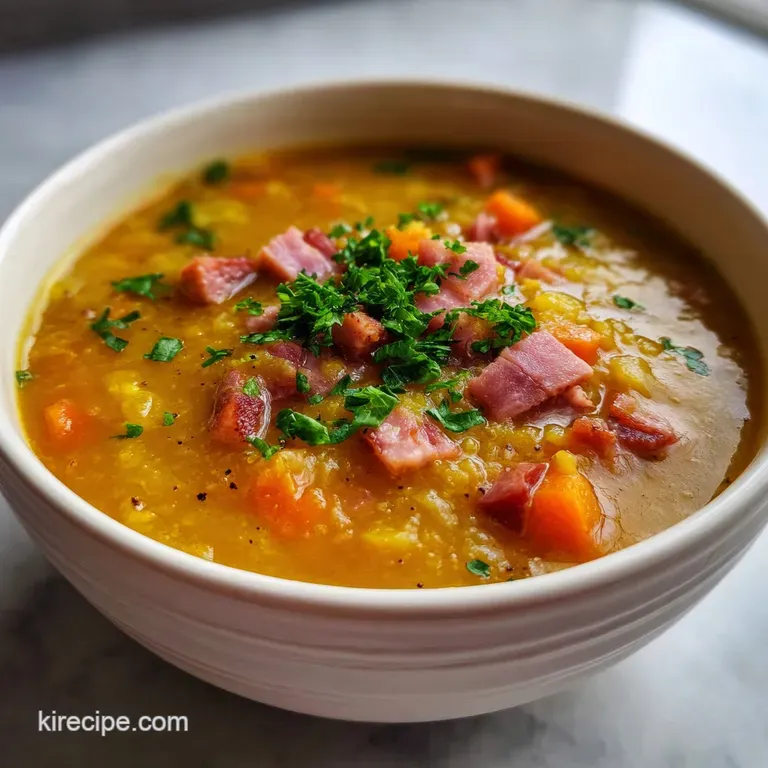
- Time: Active 15 minutes, Passive 60 minutes, Total 1 hours 15 mins
- Flavor/Texture Hook: Smoky, velvety, and deeply savory
- Perfect for: Cold weeknight dinners and high protein meal prep
- Create a Rich Base With This Goya Split Pea Soup Recipe
- The Architecture of the Starch Breakdown
- Technical Breakdown and Preparation Timeline
- Selecting Essential Pantry Staples for Maximum Flavor
- Recommended Tools for a Fuss Free Simmer
- Step by Step Method for a Velvety Finish
- Resolving Texture Issues and Flavor Balances
- Creative Adaptations for Every Diet and Pantry
- Efficient Guidelines for Freshness and Batch Cooking
- Perfect Accompaniments for a Complete Comfort Meal
- Very High in Sodium
- Recipe FAQs
- 📝 Recipe Card
Create a Rich Base With This Goya Split Pea Soup Recipe
The second that dollop of sofrito hits the hot Goya Único Extra Virgin Olive Oil, your entire kitchen transforms. There's this specific, sharp sizzle followed by an aroma that bridges the gap between a traditional grandma’s kitchen and a high end bistro.
It’s that smell of garlic, peppers, and onions hitting the fat that tells your brain something seriously comforting is on the way. I remember the first time I tried to skip the sofrito because I was in a rush big mistake.
The soup was fine, but it lacked that "soul" that makes you want to scrape the bottom of the bowl.
Trust me, this goya split pea soup recipe is not your average, bland cafeteria mush. We are talking about a thick, silk like texture that clings to your spoon and a smokiness that cuts right through the winter chill.
I've spent years tweaking the ratio of liquid to legumes because there is nothing worse than a soup that turns into a solid brick the moment it hits the table. We want body, we want richness, and we want those peas to be so soft they practically melt when they hit your tongue.
We’re going to lean on a few heavy hitters from the pantry to do the heavy lifting for us. Using a smoked ham hock isn't just about the meat; it's about the bone and the connective tissue that creates a velvety mouthfeel you just can't get from a carton of broth alone.
Whether you’re a seasoned pro or just starting your cooking journey, this method is foolproof because it relies on high-quality ingredients and a little bit of patience. Let’s get the pot heating up.
The Architecture of the Starch Breakdown
Starch Gelatinization: As the split peas simmer, their cellular walls rupture and release starches into the broth, creating a natural thickening effect. This eliminates the need for flour or cornstarch, resulting in a cleaner flavor profile and a smoother finish.
| Method | Time | Texture | Best For |
|---|---|---|---|
| Stovetop | 1 hours 15 mins | Thick and velvety | Maximum flavor development |
| Slow Cooker | 7 hours 0 mins | Ultra soft peas | Busy workdays / Set and forget |
| Pressure Cooker | 25 minutes | Uniformly smooth | Last minute dinner cravings |
Between the different cooking methods, the stovetop remains my favorite because you can control the evaporation. If the soup gets too thick, you're right there to add a splash of broth. If it's too thin, you just let it bubble away for another five minutes.
It gives you a level of precision that a slow cooker simply can't match, though the slow cooker is a lifesaver when you're out of the house all day.
Technical Breakdown and Preparation Timeline
Getting your timing right is the difference between a soup that's "good enough" and one that's legendary. We are looking for that sweet spot where the peas have lost their shape but haven't completely turned into a liquid puree.
This recipe is designed to be efficient, focusing on high impact steps while letting the heat do most of the work.
| Component | Science Role | Pro Secret |
|---|---|---|
| Smoked Ham Hock | Collagen & Fat | Sear the hock before adding liquid to intensify the smoky notes. |
| Split Peas | Legume Protein | Rinse until the water runs clear to prevent a "dusty" aftertaste. |
| Goya Sofrito | Aromatic Foundation | Sauté until the water evaporates and the paste begins to fry. |
| Russet Potato | Amylose Release | Cut into small cubes so they dissolve and add creamy body. |
When you're dealing with legumes, the water to pea ratio is vital. We are using 16 oz Goya Green Split Peas and 8 cups of chicken broth. This might seem like a lot of liquid initially, but those peas are thirsty. They will absorb a significant amount of the broth as they hydrate and soften. If you find the texture similar to the silky base of an OCharleys Potato Soup Recipe, you’ve nailed the hydration levels.
Selecting Essential Pantry Staples for Maximum Flavor
Success with this dish starts in the pantry. Goya products are designed to work together, and using the right ones ensures you get that consistent, savory profile every single time. It's about building layers of seasoning that don't compete with each other but rather sing in harmony.
- 16 oz Goya Green Split Peas: These are the heart of the dish. Why this? They break down more consistently than yellow peas for a creamier texture.
- 1 large smoked ham hock (approx. 340g): This provides the salt and smoke. Why this? The bone adds gelatin which creates a luxurious, rich mouthfeel.
- 2 tbsp Goya Sofrito: A blend of tomatoes, onions, and peppers. Why this? It provides a complex flavor base in seconds without chopping 10 ingredients.
- 1 packet Goya Sazón with Culantro y Achiote: For color and earthy spice. Why this? The achiote gives the soup a beautiful golden orange hue.
- 1 large Russet potato: Our natural thickening agent. Why this? High starch content helps bind the soup together as it simmers.
- 8 cups low sodium chicken broth: Use low sodium to control the final salt level.
- 2 tbsp Goya Único Extra Virgin Olive Oil: For sautéing the base.
- 1 medium yellow onion & 2 medium carrots: For essential sweetness and texture.
- 2 cloves garlic: Freshly minced for a sharp aromatic kick.
- 1 tsp Goya Adobo All Purpose Seasoning: The ultimate salt and pepper replacement.
- 1/2 tsp dried oregano & 1 dried bay leaf: For herbal top notes.
| Original Ingredient | Substitute | Why It Works |
|---|---|---|
| Ham Hock | Smoked Turkey Wing | Provides similar smokiness with less fat content. |
| Goya Sofrito | Diced Bell Peppers & Onions | Mimics the fresh base but requires more sautéing time. |
| Russet Potato | Cauliflower Florets | Adds bulk and thickness with fewer carbohydrates. |
If you're planning on making a big batch for the week, consider how you might use these same ingredients elsewhere. For example, if you have extra carrots and onions, they would be a perfect start for a Homesteader Canning Vegetable recipe to keep your pantry stocked with diverse options.
Recommended Tools for a Fuss Free Simmer
You don't need a kitchen full of gadgets for this goya split pea soup recipe. In fact, a "minimal tools" approach usually yields better results because you're more focused on the pot. A heavy bottomed vessel is your best friend here.
It distributes heat evenly, which is crucial when you're simmering starches that love to stick to the bottom.
- 6 Quart Dutch Oven or Heavy Pot: Cast iron with enamel is perfect for even heat.
- Wooden Spoon: Essential for scraping the "fond" (the brown bits) off the bottom.
- Fine Mesh Sieve: For rinsing the peas thoroughly before they go into the pot.
- Chef’s Knife: For a quick dice on your fresh aromatics.
Chef's Tip: If you don't have a ham hock, you can use diced thick cut bacon. Render the bacon first until crispy, remove the bits, and use the rendered fat to sauté your vegetables. Add the crispy bacon back in at the very end for a nice crunch!
step-by-step Method for a Velvety Finish
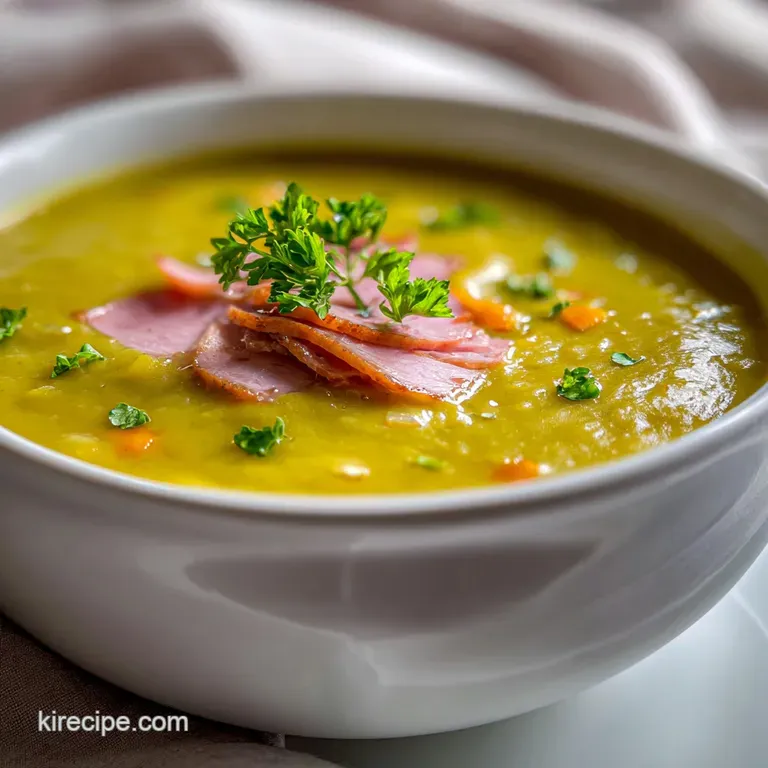
The process is straightforward, but the order of operations matters. We want to develop flavor in stages rather than just dumping everything into a pot and hoping for the best. Follow these steps for the best results.
Phase 1: Developing the Mahogany Base
- Heat the oil. Place your 2 tbsp Goya Único Extra Virgin Olive Oil in the Dutch oven over medium heat until it shimmers.
- Sauté the aromatics. Add your diced onion and carrots. Cook for 5-7 minutes until the onions are translucent and slightly golden.
- Bloom the garlic and sofrito. Stir in the 2 cloves of minced garlic and 2 tbsp Goya Sofrito. Sauté for 2 minutes until the kitchen smells incredibly fragrant. Note: This blooms the spices and removes the "raw" taste from the jarred base.
- Add the seasonings. Sprinkle in the packet of Goya Sazón, 1 tsp Adobo, and 1/2 tsp dried oregano. Stir well to coat the vegetables.
Phase 2: The Rapid Breakdown Simmer
- Incorporate the peas. Add your 16 oz rinsed split peas to the pot. Stir to coat them in the oily spice mixture.
- Pour in the liquid. Add the 8 cups of low sodium chicken broth and drop in the large smoked ham hock and the bay leaf.
- Bring to a boil. Increase the heat to high. Once boiling, reduce the heat to low and cover with a lid.
- The long simmer. Let the soup simmer for about 40 minutes. At this point, the peas should be starting to soften but still hold some shape.
Phase 3: The Finishing Softness
- Add the potatoes. Stir in the cubed Russet potato. Cover again and simmer for another 20 minutes until the potatoes and peas are completely tender.
- Final adjustments. Remove the ham hock and bay leaf. Shred any meat from the bone and return it to the pot. Taste and add freshly cracked black pepper. The soup should be thick enough to coat the back of a spoon.
Resolving Texture Issues and Flavor Balances
Split pea soup can be a bit temperamental if the heat is too high or the peas are old. Sometimes you'll find they just won't soften, or conversely, the soup disappears into a thick paste. Don't panic; these are all easy fixes.
Why Are My Split Peas Still Crunchy?
This is usually caused by two things: old peas or adding salt too early. Legumes have a hard outer skin that toughens when exposed to high amounts of sodium or acid before they've hydrated. If your peas are still firm after an hour, add a pinch of baking soda to the pot.
It increases the pH level, which helps break down the pectin in the pea skins much faster.
What If My Soup Turned Into a Thick Paste?
Split peas continue to absorb liquid even after you turn off the heat. If your soup looks more like mashed potatoes than soup, simply whisk in a half cup of hot water or broth at a time until the desired consistency returns. Always do this over low heat to ensure the new liquid integrates smoothly with the starches.
| Problem | Root Cause | Solution |
|---|---|---|
| Soup is too salty | Ham hock + bouillon was too much | Add an extra cubed potato; it absorbs excess salt as it cooks. |
| Flat flavor profile | Missing acidity | Stir in 1 teaspoon of apple cider vinegar or lemon juice at the end. |
| Scorched bottom | Heat was too high | Transfer the un burnt soup to a new pot immediately; do not scrape the bottom. |
Common Mistakes Checklist
- ✓ Never skip rinsing the peas; it removes surface starch that can make the soup feel "slimy" rather than "velvety."
- ✓ Keep the heat at a gentle simmer; a rolling boil will toughen the proteins in the ham.
- ✓ Don't forget to remove the bay leaf before serving; it's for flavor, not for eating!
- ✓ Avoid adding extra salt until the very end, as the ham hock and Sazón already contain significant sodium.
- ✓ Use a heavy lid to trap steam; this ensures the peas hydrate evenly without the liquid evaporating too quickly.
Creative Adaptations for Every Diet and Pantry
The beauty of this goya split pea soup recipe is how adaptable it is. While the ham version is traditional, you can easily pivot based on what you have in the fridge or your dietary preferences.
If you want a vegetarian version, do this: Swap the chicken broth for high-quality vegetable stock. Replace the ham hock with 1 tablespoon of smoked paprika and a teaspoon of liquid smoke to mimic that charred flavor.
Add 1 tablespoon of soy sauce or tamari for that "umami" punch that meat usually provides.
If you are a fan of bold, complex sauces, you might even consider using some of the aromatic techniques found in a Spaghetti Sauce Recipe to create a Mediterranean twist on this soup by adding more tomato paste and basil.
Efficient Guidelines for Freshness and Batch Cooking
This is the ultimate meal prep dish. Because of the high starch content, the flavors actually meld and deepen after a night in the refrigerator. I often make a double batch on Sunday just so I have easy lunches for the entire week.
Storage: Keep your soup in an airtight container in the fridge for up to 4 days. Note that it will thicken significantly as it cools. When you go to reheat it, you'll likely need to add a splash of water to loosen it up.
Freezing: This soup freezes beautifully! Allow it to cool completely before transferring to freezer safe bags or containers. It will stay fresh for up to 3 months. To serve, thaw it overnight in the fridge and reheat it slowly on the stove.
Zero Waste Tip: Don't throw away that ham bone! Even after the soup is done, there's flavor left in it. You can simmer it one more time with some water and vegetable scraps to make a "remouillage" (a second stock) for use in future bean dishes or stews.
Perfect Accompaniments for a Complete Comfort Meal
While a bowl of this soup is a meal on its own, the right side dish can take it to the next level. You want something that offers a textural contrast to the smooth, soft peas.
A thick slice of crusty sourdough bread is the classic choice, especially if it's toasted with a bit of butter and garlic. The crunch of the bread provides a fantastic "shatter" against the velvety soup.
For a more traditional Latin pairing, serve it alongside a small bowl of white rice or even some crispy fried plantains (tostones). The sweetness of the plantains balances the saltiness of the ham hock in a way that is absolutely addictive.
If you're looking for a lighter side, a simple green salad with a sharp lemon vinaigrette helps cut through the richness of the legumes. Whatever you choose, make sure you serve the soup piping hot. There is nothing quite like that first steaming spoonful on a rainy afternoon to make everything feel right in the world.
Enjoy your cooking!
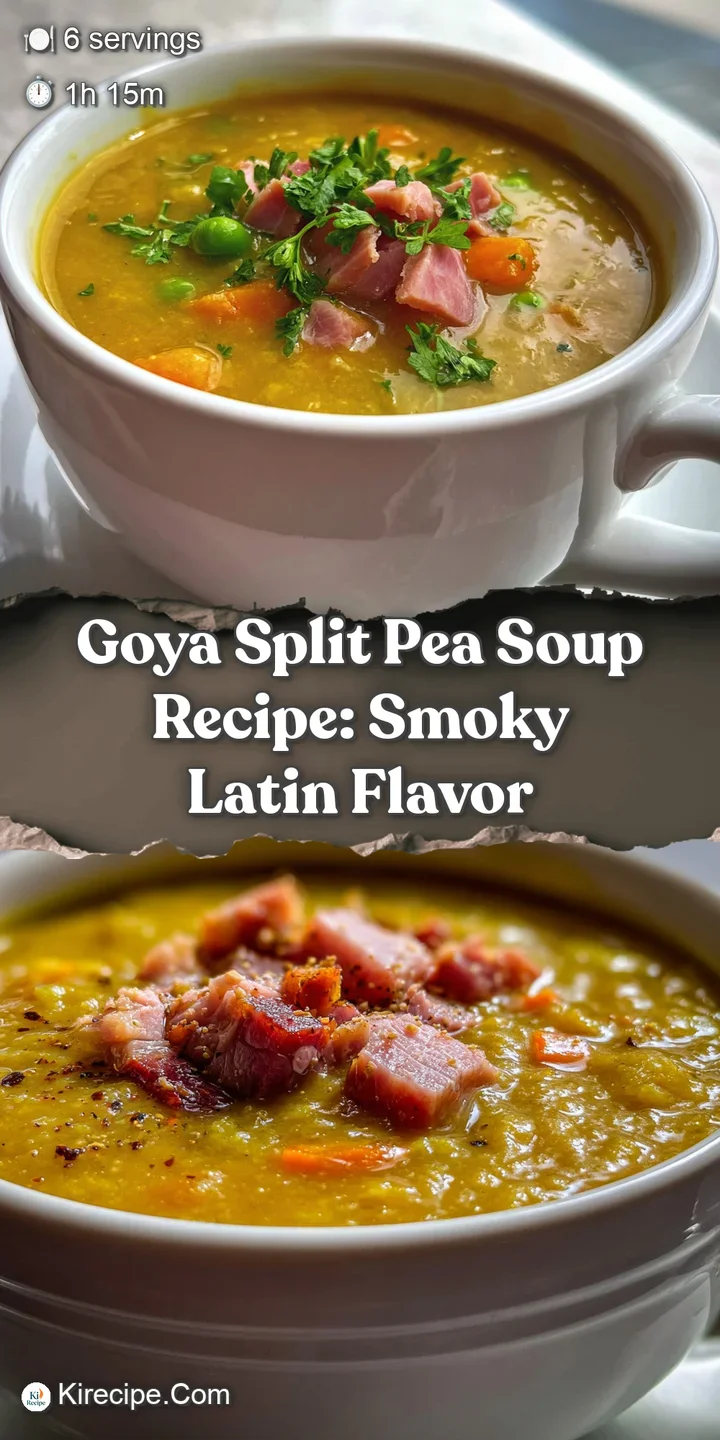
Very High in Sodium
1140 mg mg of sodium per serving (50% % of daily value)
The American Heart Association recommends limiting sodium intake to no more than 2,300mg per day. This recipe exceeds 50% of that daily limit per serving.
Sodium Reduction Tips for Split Pea Soup
-
Broth Swap-30%
Replace the 8 cups of low-sodium chicken broth with no-sodium chicken broth. This simple swap can significantly cut down the sodium content.
-
Ham Hock Reduction-25%
Use a smaller smoked ham hock or consider using a leaner cut of smoked pork with less sodium. Alternatively, partially boil the ham hock separately first, discarding the water, to remove some sodium.
-
Adobo Adjustment-20%
Omit the Goya Adobo All-Purpose Seasoning entirely. It is a significant source of sodium in this recipe. You can replace the flavor with other spices instead.
-
Sofrito Consideration-15%
Consider making your own sofrito from scratch to control the amount of sodium. Many store-bought brands, including Goya, can be high in sodium. If using store-bought, reduce the amount used by half.
-
Sazón Substitute-10%
Make a homemade sazón spice mix using herbs and spices like cumin, coriander, garlic powder, and annatto instead of using the pre-packaged Goya Sazón with Culantro y Achiote, which contains sodium and MSG.
-
Spice it Up!
Enhance the flavor profile with fresh herbs and spices like thyme, bay leaf, and extra black pepper to compensate for the reduction of sodium.
Recipe FAQs
What is the secret ingredient in split pea soup?
The smoked ham hock is the crucial element. It’s not just for the meat; the bone and connective tissue release collagen, which creates the soup's velvety, luxurious mouthfeel.
What are common mistakes in split pea soup?
Adding salt too early is the most common mistake. High sodium content before the peas hydrate prevents them from softening properly, leading to crunchy legumes.
What's the best liquid to use in split pea soup?
Low sodium chicken broth provides the best base flavor. This allows you to control the final salt level, especially since smoked ham hocks contribute a lot of salinity.
Is pea soup good for your bowels?
Yes, split peas are an excellent source of dietary fiber. This fiber aids in healthy digestion and promotes regular bowel movements, making it a great addition to your diet.
How to achieve a thick, non-gluey texture in split pea soup?
Incorporate a starchy potato diced small and let it dissolve. The starches released from the potato act as a natural, clean thickener, giving you body without adding flour or cornstarch.
Do I have to sauté the Goya Sofrito before simmering?
Yes, sautéing the sofrito is vital for flavor development. Frying the paste in oil until the moisture evaporates "blooms" the spices and removes any raw vegetable taste, achieving maximum aromatic depth, similar to how you build flavor in a good Slow Cooker Pasta recipe.
Can I make this soup vegan or vegetarian?
Yes, easily substitute the ham hock and broth. Use vegetable stock and replace the smoky element by adding 1 teaspoon of liquid smoke and 1 tablespoon of smoked paprika to the sauté step.
Goya Split Pea Soup Recipe
Ingredients:
Instructions:
Nutrition Facts:
| Calories | 419 calories |
|---|---|
| Protein | 27.9 grams |
| Fat | 8.5 grams |
| Carbs | 58 grams |
| Fiber | 19.7 grams |
| Sugar | 6 grams |
| Sodium | 1140 milligrams |
