Light Egg White Vanilla Bundt Cake
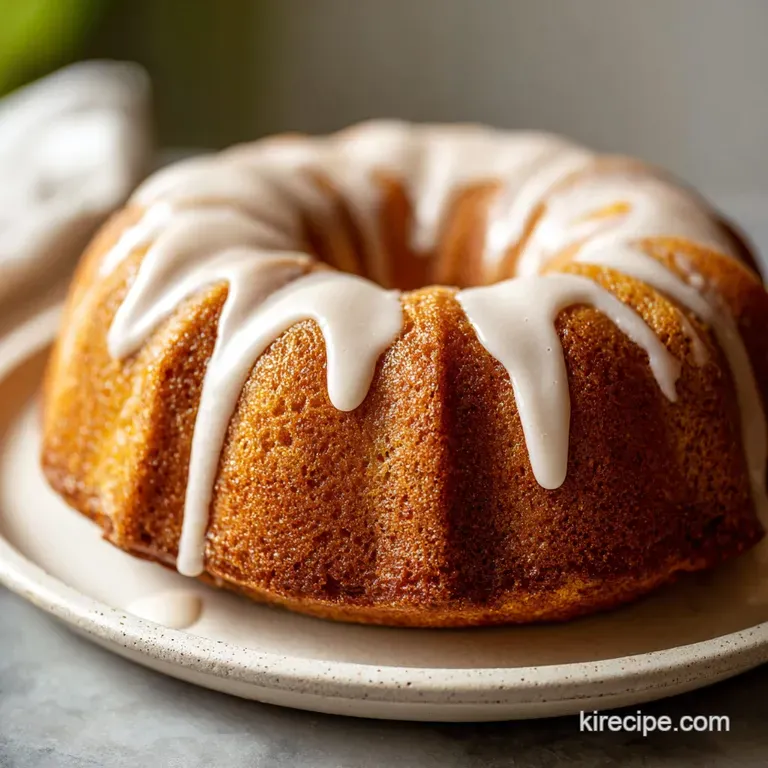
- Time: Active 20 minutes, Passive 45 minutes, Total 1 hour 5 mins
- Flavor/Texture Hook: Cloud like velvety crumb with deep vanilla notes
- Perfect for: Elegant celebrations, bridal showers, or a foolproof weekend project
- Scientific Logic Behind the Texture
- Essential Recipe Specifications and Metrics
- Molecular Analysis of Key Ingredients
- Precision Tools for Superior Baking
- Systematic Phases of Cake Construction
- Technical Solutions for Baking Failures
- Creative Modifications and Flavor Profiles
- Preserving Optimal Crumb Moisture Levels
- Recommended Pairings for Flavor Balance
- Recipe FAQs
- 📝 Recipe Card
Scientific Logic Behind the Texture
The Physics of the Protein Scaffolding: Egg whites rely on albumin proteins to form a rigid structural lattice that traps air bubbles during the creaming process. This scaffolding is strengthened by the acidity in sour cream, ensuring the cake rises high without the density of fat heavy yolks.
- Protein Scaffolding: Using 180ml large egg whites provides a clean, structural matrix that allows the vanilla and almond extracts to shine without being masked by the "eggy" flavor of yolks.
- Lipid Synergy: The combination of 170g unsalted butter and 60ml vegetable oil is a deliberate choice; butter provides the flavor profile we love, while the oil remains liquid at room temperature to ensure the crumb never feels dry.
- Acidic Denaturation: Sour cream contains lactic acid which breaks down long gluten strands in the 375g cake flour, resulting in a tender, velvety bite rather than a tough, bread like texture.
- Aeration Mechanics: Creaming the sugar and butter for a specific duration creates millions of microscopic air pockets that expand in the heat of the oven, providing a natural lift.
| Baking Method | Internal Physics | External Texture | Optimal For |
|---|---|---|---|
| Standard Oven (350°F) | Dry heat circulates for Maillard reaction | Golden, defined "shatter" crust | Classic Bundt definition |
| Stovetop Steam | Moist heat prevents any crust formation | Pale, incredibly soft and uniform | Ultra delicate, pudding like textures |
The difference between these methods is all about how the exterior reacts to the heat. For this Bundt Cake Made with Egg Whites, the oven is the superior choice because it creates a beautiful golden contrast against the snowy white interior. If you’re looking for a similar nostalgic vibe in your baking, the Home Economics Class recipe is a great baseline for understanding these fundamental cake physics.
Essential Recipe Specifications and Metrics
In my kitchen, precision is the highest form of care. When we are working with a delicate structure like this, guessing isn't an option. We are aiming for a cake that serves 14 people comfortably, providing a substantial slice that isn't overly heavy.
The chemistry of this batter requires room temperature ingredients to ensure a proper emulsion; if your sour cream is cold, it will seize the butter, and you'll end up with a lumpy batter that won't rise evenly.
To get that professional finish, we need to focus on the numbers. Using exactly 350g of granulated sugar provides the necessary sweetness but also acts as a tenderizer by interfering with gluten development. It’s a delicate dance between the 375g of cake flour and the 180ml of egg whites. For those who love a bit of extra texture in their desserts, you might want to try adding coconut to the mix, similar to the techniques found in my Mounds Cake Recipe.
| Component | Science Role | Pro Secret |
|---|---|---|
| Cake Flour (375g) | Low protein (8%) prevents tough gluten | Sift three times to incorporate air |
| Egg Whites (180ml) | Albumin proteins provide structure | Use room temp for maximum volume expansion |
| Sour Cream (240g) | Fat and acid for tenderness | Full fat is mandatory for crumb stability |
| Clear Vanilla (1 tbsp) | Concentrated flavor without discoloration | Use clear extract to keep the crumb white |
The clear vanilla extract is a small but vital detail. If you use traditional brown vanilla, your Bundt Cake Made with Egg Whites and Vanilla will have a slight off white or beige tint. By sticking to the clear version, you preserve that pristine, snowy aesthetic that makes this cake so visually striking.
Molecular Analysis of Key Ingredients
Success in baking starts with understanding your elements. Every gram in this recipe serves a specific purpose in the final architecture of the cake. We aren't just mixing things together; we are building a series of chemical bonds.
- 375g cake flour: This is non negotiable. All purpose flour has too much protein, which would make this cake feel like a muffin. Why this? Lower protein ensures a delicate, fine crumb.
- 350g granulated sugar: Beyond sweetness, sugar helps aerate the butter during the creaming stage. Why this? It provides the "grit" needed to create air pockets.
- 180ml large egg whites: These provide the lift and the white color. Why this? Pure protein scaffolding without the yellow fat of yolks.
- 240g full fat sour cream: This is our moisture insurance policy. Why this? The fat adds richness while the acid tenderizes gluten.
- 170g unsalted butter: Provides the primary flavor and a melt in-the mouth feel. Why this? Controlled fat content for better creaming.
- 60ml vegetable oil: Keeps the cake moist even after it has been refrigerated. Why this? Remains liquid at cold temperatures.
- 1 tablespoon clear vanilla extract: The soul of the cake. Why this? Delivers flavor without staining the white crumb.
- 0.5 teaspoon almond extract: The "secret" bakery scent. Why this? Rounds out the sweetness with a nutty aroma.
| Original Ingredient | Substitute | Why It Works |
|---|---|---|
| Cake Flour (375g) | AP Flour (325g) + Cornstarch (50g) | Cornstarch lowers the protein content to mimic cake flour. |
| Sour Cream (240g) | Full fat Greek Yogurt | Similar acidity and fat. Note: May result in a slightly tangier crumb. |
| Clear Vanilla (1 tbsp) | Vanilla Bean Paste | Adds beautiful speckles. Note: Will change the cake's color to off white. |
I've tried substituting the butter with margarine in a pinch, but I'll be honest: don't do it. The water content in margarine is too high and inconsistent, which can lead to a collapsed structure. This recipe relies on the stability of real, high-quality fats.
Precision Tools for Superior Baking
Before you even crack an egg, you need the right setup. A 10 cup or 12 cup Bundt pan is the standard here. I highly recommend a heavy duty cast aluminum pan (like those from Nordic Ware) because they conduct heat evenly, preventing those annoying burnt spots on the ridges.
Chef's Tip: Freeze your butter for 10 minutes before dicing it into the mixer. This slight chill prevents it from melting too fast during the 3 minute creaming process, allowing for more stable air pocket formation.
You will also need a stand mixer (like a KitchenAid) equipped with the paddle attachment. Trying to cream butter and sugar by hand for three minutes is a workout you don't need, and you likely won't achieve the necessary level of aeration.
A fine mesh sifter is another essential; sifting the cake flour, baking powder, and salt ensures no clumps of leavening agent end up in your delicate batter.
Systematic Phases of Cake Construction
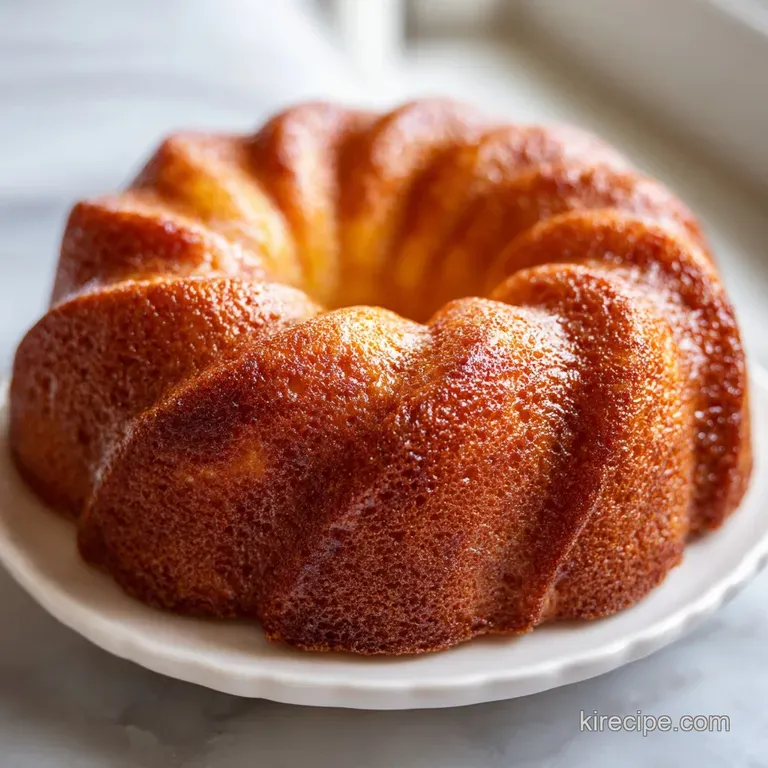
Preparation for Effortless Release
Preheat your oven to 350°F (180°C). Generously grease your Bundt pan with a baking spray that contains flour, or use a "cake goop" mixture of equal parts oil, shortening, and flour.
Note: Ensure every nook and cranny is coated, or the cake will tear upon release.
Building the Aerated Base
In your stand mixer, cream the 170g unsalted butter and 350g granulated sugar for 3 minutes. Note: The mixture should look pale and fluffy, almost like frosting.
The Lipid Hybrid
Slowly stream in the 60ml vegetable oil while the mixer is on low. Wait until it is fully incorporated before moving to the next step to maintain the emulsion.
The Egg White Emulsion
Add the 180ml egg whites in three separate additions. Beat well after each addition to ensure the protein bonds are forming correctly with the fat.
Flavor Infusion
Mix in the 1 tablespoon clear vanilla extract and 0.5 teaspoon almond extract. This is when the kitchen starts to smell like a dream.
Sifting the Dry Ingredients
In a separate bowl, sift together the 375g cake flour, 1 tablespoon baking powder, and 0.75 teaspoon fine sea salt. Note: Sifting is vital for a Light vanilla bundt cake.
The Alternating Method
Add one third of the dry ingredients to the mixer, followed by half of the 240g sour cream. Repeat, ending with the dry ingredients. Stop mixing the moment the last streak of flour disappears.
Baking for Perfect Crumb
Pour the batter into the prepared pan and smooth the top. Bake for 45 minutes until a skewer inserted comes out clean or with a few moist crumbs.
The Cooling Grace Period
Let the cake rest in the pan for exactly 10 minutes. Note: This allows the structure to firm up while the steam helps release the edges from the pan.
The Cream Cheese Finish
Once completely cool, beat the 225g cream cheese and 115g butter until smooth. Add the 480g powdered sugar and 2 tablespoons heavy cream, beating until velvety. Drizzle or spread over the cake. The richness here is balanced, much like the depth found in a Chocolate Cream Cheese recipe.
Technical Solutions for Baking Failures
Rescuing a Stuck Cake
If the cake refuses to budge after 10 minutes, don't panic. Place a hot, damp towel over the bottom of the inverted pan for 2 minutes. The steam created will often loosen the grip of the sugar on the pan's surface.
Preventing a Rubbery Crumb
A rubbery texture usually means the batter was over mixed once the flour was added. This develops the gluten too much. Next time, use the "fold" setting on your mixer or finish the last few stirs by hand with a spatula.
Fixing a Dry Interior
If you over baked the cake, you can save it by brushing a simple syrup (equal parts sugar and water) over the warm cake. It will soak into the pores and restore that velvety feel.
| Problem | Root Cause | Solution |
|---|---|---|
| Cake collapsed in center | Too much baking powder or underbaked | Measure 1 tbsp exactly; check internal temp is 205°F. |
| Dense, heavy texture | Cold ingredients or poor creaming | Ensure butter and sour cream are 70°F before starting. |
| Thick, tough crust | Oven temperature too high | Calibrate oven; use a secondary thermometer. |
Common Mistakes Checklist
- ✓ Use room temperature eggs and dairy to prevent the batter from curdling.
- ✓ Sift the cake flour to ensure a fine, uniform crumb structure.
- ✓ Avoid "peeking" in the oven for the first 30 minutes to prevent a temperature drop.
- ✓ Let the cake cool completely before frosting, or the cream cheese will melt into a puddle.
- ✓ Measure flour by weight (375g) rather than volume to avoid packing it too tightly.
Creative Modifications and Flavor Profiles
If you want to take this Vanilla bundt cake recipe to the next level, there are a few ways to pivot. For a bright, summer version, add the zest of two lemons to the sugar before creaming. This releases the essential oils and creates an incredible citrus aroma.
Infusing Fresh Citrus Notes
You can replace the almond extract with 1 teaspoon of lemon or orange extract. This transforms the profile without changing the chemistry of the Cake Made with Egg Whites and Vanilla. It pairs beautifully with a simple powdered sugar and lemon juice glaze.
Using White Cake Mix
If you are short on time, you can create a Vanilla bundt cake using cake mix as a shortcut. Simply use the dry mix as your base, but replace the water with sour cream and the whole eggs with egg whites. It won't have the same artisanal depth, but it’s a great 30 minute fix.
- If you want a richer flavor: Swap the vegetable oil for melted (but cooled) browned butter.
- If you want a fruit filled cake: Toss 1 cup of fresh blueberries in a tablespoon of flour and fold them in at the very end.
- If you want a marble effect: Take 1 cup of the finished batter, mix in 2 tablespoons of cocoa powder, and swirl it through the pan.
Preserving Optimal Crumb Moisture Levels
This Bundt Cake Made with Egg Whites stays fresh longer than most because of the sour cream and oil. You can keep it at room temperature under a cake dome for up to 3 days. However, because of the cream cheese frosting, it’s safer to store it in the fridge if your kitchen is warm.
Storage: In the fridge, it will last for 5-6 days. Just make sure it’s in an airtight container so it doesn't absorb the smell of that onion in the back of your refrigerator.
Freezing: This cake freezes remarkably well. I suggest freezing it without the frosting. Wrap it tightly in plastic wrap, then a layer of foil. It will stay perfect for up to 3 months. When you're ready to eat, let it thaw overnight in the fridge.
Zero Waste: If you find yourself with leftovers that are starting to get a bit dry, don't throw them away. Cube the cake and use it as a base for a trifle with fresh berries and whipped cream, or turn them into the most decadent French toast you’ve ever had.
Recommended Pairings for Flavor Balance
The sweetness of the Made with Egg Whites and Vanilla profile needs a bit of contrast. I love serving this with a tart raspberry coulis or a bowl of macerated strawberries. The acidity of the fruit cuts through the richness of the cream cheese frosting perfectly.
If you’re serving this for an afternoon tea, a strong, bitter Earl Grey or a dark roast coffee is the way to go. The tannins in the tea cleanse the palate between bites of the velvety crumb.
For a more formal dessert, a glass of cold Moscato d'Asti provides a bubbly, sweet finish that mirrors the light texture of the cake itself.
This recipe is truly about the details. From the clear vanilla to the precise weight of the cake flour, every step is a movement toward that perfect, snowy white slice. Once you master the Egg white bundt cake, you'll realize that baking isn't just about following instructions it's about understanding the science and putting in the care to get it exactly right.
Happy baking!
Recipe FAQs
Can I substitute sour cream with buttermilk for the needed acidity?
No, stick with full fat sour cream. Buttermilk adds acidity but lacks the necessary fat content required to maintain the cake’s rich, velvety crumb stability.
Why must I use clear vanilla extract instead of regular vanilla?
Yes, this is crucial for aesthetics. Standard vanilla contains molasses solids that will tint the egg-white based crumb a noticeable off-white or beige color.
How to ensure the cake releases perfectly from the Bundt pan?
Grease the pan thoroughly with a flour based baking spray. Pay extra attention to every crevice, as the delicate structure tears easily if any surface has dry spots.
Is it true that the final texture is light because it lacks egg yolks?
No, this is partially true but incomplete. While the lack of yolk fat contributes to the color, the primary lift comes from the rigid protein scaffolding created by whipping the whites correctly.
What is the essential baking temperature for this specific egg white structure?
Bake at exactly 350°F (180°C). This dry heat allows the internal air pockets, created during the creaming stage, to expand fully before the albumin proteins set completely.
How do I adjust the mixing time when creaming the butter and sugar?
Cream for a full three minutes until very pale and fluffy. This step is where you physically incorporate the air needed to support the structure, similar to the aeration principles in our Recipe for Crispy patties before searing.
Can I make this cake ahead of time and freeze it successfully?
Yes, freezing without frosting is recommended. Wrap the cooled, unfrosted cake tightly in plastic wrap and foil; it remains structurally sound for up to three months.
Egg White Vanilla Bundt Cake
Ingredients:
Instructions:
Nutrition Facts:
| Calories | 611 kcal |
|---|---|
| Protein | 5.3 g |
| Fat | 31.2 g |
| Carbs | 80.6 g |
| Fiber | 0.4 g |
| Sugar | 59.2 g |
| Sodium | 342 mg |
