The 3 Ingredient Cookie: Nutty and Stable
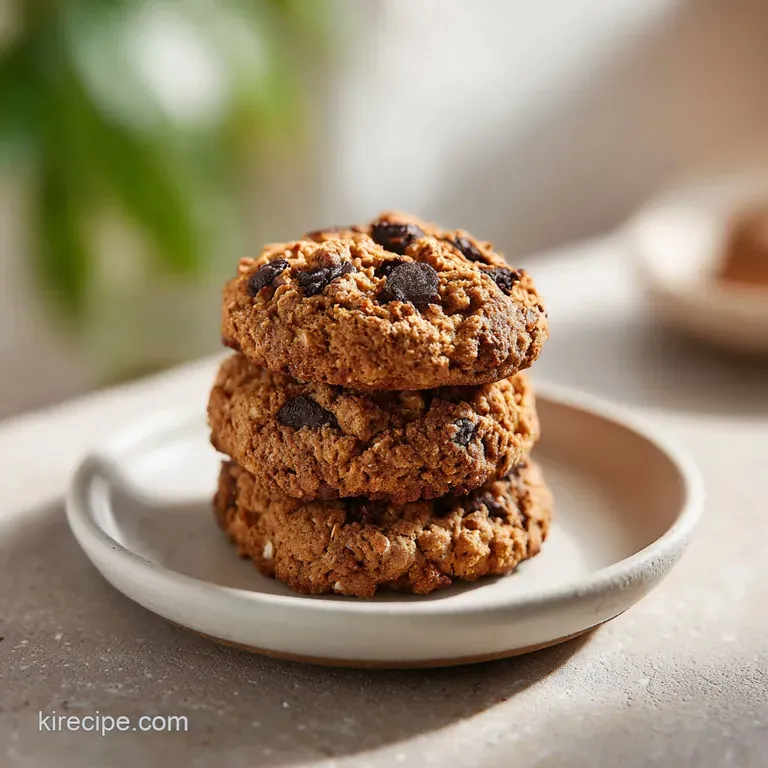
- Time: Active 5 minutes, Passive 10 minutes, Total 15 minutes
- Flavor/Texture Hook: Intensely nutty with a sandy, melt in-the mouth crumble
- Perfect for: High protein snacking, emergency dessert cravings, or gluten-free guests
- Why This Recipe Solves the Greasy Puddle Problem
- How Egg Proteins and Friction Create the Structure
- Precision Ratios for the Perfect 3 Ingredient Cookie Result
- Component Analysis of Natural Fats and Sugars
- Essential Tools for a Matte Finish Dough
- Step by Step Guide to a Stable Cookie Base
- How to Fix Crumbly or Oily Baking Batches
- Adapting the Recipe for Different Dietary Needs
- Keeping Your Batch Fresh and Snappy for Days
- Final Touches for Serving These Minimalist Treats
- Recipe FAQs
- 📝 Recipe Card
Why This Recipe Solves the Greasy Puddle Problem
The biggest frustration with the 3 ingredient cookie is the dreaded oil separation. You've probably seen it before: a tray of flat, shimmering puddles that never quite set, leaving your hands covered in grease and your spirit crushed.
This usually happens because the natural oils in the peanut butter haven't been properly "locked" into the sugar and egg structure. We aren't just mixing ingredients here; we are performing a manual emulsification that changes the very physics of the dough.
By applying vigorous stirring, we force the fat globules to stay suspended within the protein matrix provided by the egg. When you hit that 60 second mark, you’ll see the dough transform from a shiny, liquid like state to a matte, cohesive ball that pulls away from the bowl.
This isn't just luck; it's the result of creating a stable bond between the moisture in the egg and the lipids in the nut butter. This method ensures that your cookies hold their shape and develop that signature "shatter" when you bite into them, rather than just crumbling into a pile of oily dust.
We also have to talk about the sugar choice. Most people reach for white sugar, but coconut sugar is the secret to a deeper, more complex flavor profile. It has a higher mineral content and a lower melting point, which allows it to caramelize quickly during the short ten minute bake.
This gives you a cookie that tastes like it took hours of effort, even though you probably didn't even have time to finish a cup of coffee while making them. It is a foolproof approach for anyone who values precision over guesswork.
How Egg Proteins and Friction Create the Structure
Understanding what happens inside the bowl is the difference between a "fine" cookie and a "how did you make this?" cookie. Since we don't have flour to provide gluten or starch for structure, we rely entirely on the egg and the sugar to do the heavy lifting.
- Protein Scaffolding: The egg whites act as the "glue," coagulating under heat to create a firm network that traps air and fat.
- Mechanical Emulsification: Stirring for a full minute forces the peanut oil to stay suspended, preventing the cookies from spreading into a flat sheet.
- Hygroscopic Caramelization: Coconut sugar pulls moisture from the egg, creating a dense, chewy center while the edges become crisp and mahogany brown.
- Starch Free Stability: Without flour, the fats can't be absorbed, so the egg's lecithin is the only thing keeping the emulsion from breaking.
| Method | Time | Texture | Best For |
|---|---|---|---|
| Manual Stir | 60 seconds | Dense and chewy | Classic texture seekers |
| Electric Mixer | 30 seconds | Lighter and airy | People with wrist fatigue |
| Food Processor | 15 seconds | Ultra smooth/uniform | Large batches for gifting |
Choosing the right method depends on how much "snap" you want in your final product. I personally prefer the manual stir because I can feel the exact moment the dough's resistance changes, which is a key sensory cue that you've reached the perfect emulsion. If you’re looking for a similar silky mouthfeel in other dishes, you might notice how emulsification plays a huge role in achieving the perfect Authentic Butter Chicken Recipe, where fats and liquids must become one.
Precision Ratios for the Perfect 3 Ingredient Cookie Result
Baking is a game of ratios, and when you only have three ingredients, there is nowhere for errors to hide. I always weigh my ingredients in grams because a "cup" of peanut butter can vary wildly depending on how many air bubbles are trapped in the jar.
For this recipe, we are looking for a specific balance of fat to sugar to protein. If you use too much peanut butter, the cookies will be too soft to pick up. Too much sugar, and they turn into brittle candy.
The coconut sugar is vital here because it provides a granular friction that helps break down the egg proteins during the mixing phase. This mechanical action is what builds the "body" of the 3 ingredient cookie. It is also important to use a room temperature egg.
A cold egg will cause the fats in the peanut butter to seize up, making it nearly impossible to achieve that matte finish we’re looking for. It’s a small detail, but it’s the difference between a grainy texture and a velvety one.
| Component | Science Role | Pro Secret |
|---|---|---|
| Natural Peanut Butter | Provides lipids and bulk | Stir the jar thoroughly to integrate all oil before measuring. |
| Coconut Sugar | Provides structure and color | Use a fork to break up clumps before adding to the wet ingredients. |
| Room Temp Egg | Acts as the primary emulsifier | Place a cold egg in warm water for 5 mins to bring it to temp quickly. |
Using natural peanut butter is non negotiable for the flavor, but it does mean you have to be more diligent about your mixing. Standard commercial peanut butters often contain palm oil or stabilizers that change how the cookie spreads.
Stick to the natural stuff just roasted peanuts and salt for the most authentic, nutty result.
Component Analysis of Natural Fats and Sugars
Let's look at our three stars. For the peanut butter, you want "Creamy Natural." If you see ingredients like "hydrogenated vegetable oil" on the label, put it back. We need the raw, unadulterated fats of the peanuts to interact with the egg.
- Substitute
- Almond butter (use 220g as it is naturally more oily).
- 3/4 cup (150g) Coconut Sugar
- Why this? Low glycemic index and deep caramel notes compared to white sugar.
- Substitute
- Brown sugar (creates a moister, softer cookie that spreads more).
- 1 Large Room Temperature Egg
- Why this? Essential for binding the fats and providing structure through coagulation.
- Substitute
- 1/4 cup unsweetened applesauce (Note: result will be much softer/cake like).
When you swap out the coconut sugar for brown sugar, be aware that brown sugar contains more moisture (molasses). This will result in a cookie that is significantly chewier but lacks the "snap" of the original version. It's a trade off: do you want a soft pillow or a structured treat? If you're a fan of softer, more sponge like textures, you might find interest in the way moisture is managed in a Peaches and Cream Cake, where the balance of fat and liquid creates a completely different crumb.
Essential Tools for a Matte Finish Dough
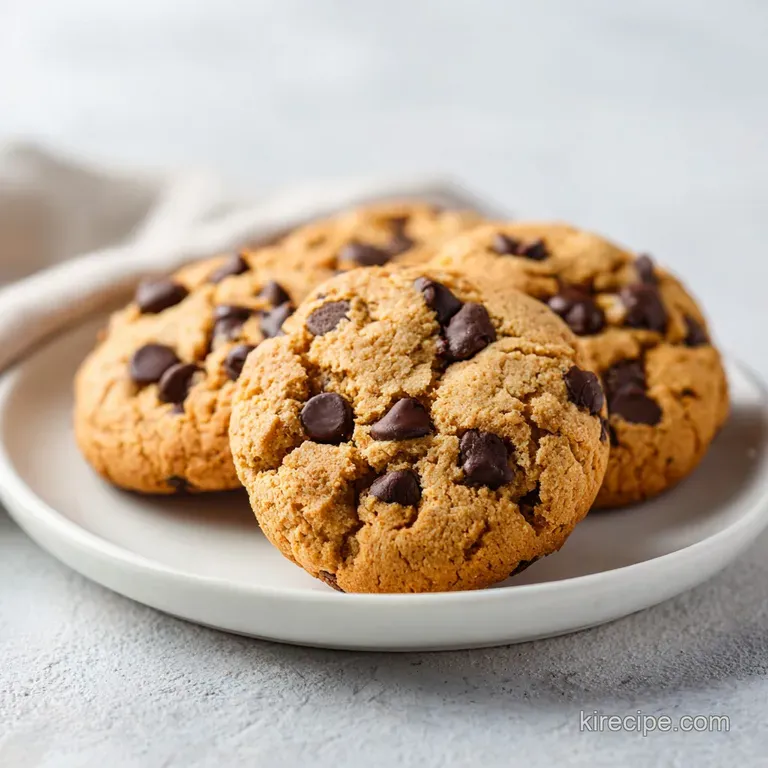
You don't need a kitchen full of gadgets for the 3 ingredient cookie, but a few specific items will make your life significantly easier. First, a heavy duty baking sheet is a must. Thin, cheap pans warp in the oven and distribute heat unevenly, which leads to burnt bottoms and raw middles.
A parchment paper lining is also non negotiable; since these cookies have no flour, they are prone to sticking even to non stick surfaces.
A sturdy silicone spatula is my preferred mixing tool. Unlike a whisk, which can incorporate too much air, a spatula allows you to press the dough against the sides of the bowl. This "smearing" motion is exactly what you need to force the emulsion.
You’ll also need a standard dinner fork for the cross hatch pattern. This isn’t just for aesthetics flattening the dough ensures that the heat penetrates the center of the cookie at the same rate it cooks the edges.
Chef's Tip: If your peanut butter is particularly dry (at the bottom of the jar), add half a teaspoon of water. It sounds counter intuitive to add water to oil, but it helps the egg proteins hydrate and creates a smoother dough.
step-by-step Guide to a Stable Cookie Base
- Preheat and Prep: Set your oven to 175°C (350°F). Line a heavy duty baking sheet with parchment paper. Note: Using a cold pan is vital to prevent premature spreading.
- Combine Ingredients: In a medium glass bowl, add 250g creamy natural peanut butter, 150g coconut sugar, and 1 room temperature egg.
- The 60 Second Stir: Use your silicone spatula to stir vigorously. Cook until the dough shifts from oily and shiny to a matte, cohesive ball.
- Observation Check: Ensure no streaks of egg remain. The dough should pull cleanly away from the sides of the bowl.
- Portioning: Use a tablespoon to scoop rounded balls of dough (approx 30g each) onto the prepared sheet.
- The Cross Hatch: Press a fork into the top of each ball, first one way and then the other. Watch for the edges to slightly crack—this is a sign of perfect hydration.
- Precision Bake: Slide the tray into the center rack. Bake for exactly 10 minutes. Wait for the edges to turn a dark mahogany brown.
- The Carryover Set: Remove the tray from the oven. Do NOT touch the cookies. Note: They are extremely fragile while hot and need the residual heat of the pan to finish setting.
- Final Cooling: Allow to cool on the pan for 15 minutes before transferring to a wire rack.
How to Fix Crumbly or Oily Baking Batches
Even with a simple recipe, things can go sideways. The most common issue with the 3 ingredient cookie is the dough feeling too "wet." This usually happens if the peanut butter jar wasn't stirred properly before measuring, leaving you with too much oil and not enough solids.
Why Your Cookies Are Falling Apart
If your cookies are crumbling into sand the moment you pick them up, they likely lacked enough moisture to hydrate the sugar, or they were overbaked. Overbaking is the silent killer of the flourless cookie.
Because there is no starch to hold onto moisture, every extra minute in the oven turns the egg protein from "springy" to "brittle."
| Problem | Root Cause | Solution |
|---|---|---|
| Excessive Spread | Ingredients too warm / lack of friction | Chill the dough for 10 mins before scooping and stir longer. |
| Grainy Texture | Sugar didn't dissolve | Ensure the egg is room temperature to help sugar crystals melt. |
| Oily Surface | Emulsion broke during mixing | Stir faster and harder until the dough looks matte, not shiny. |
Common Mistakes Checklist
- ✓ Using "No Stir" peanut butter (the added palm oil ruins the structure)
- ✓ Forgetting to let the cookies cool on the hot pan (they will break)
- ✓ Using a cold egg (prevents the fat and sugar from binding)
- ✓ Eyeballing the measurements instead of using a scale
- ✓ Baking on a dark colored cookie sheet (causes the bottoms to burn before the top is set)
Adapting the Recipe for Different Dietary Needs
While this recipe is naturally gluten-free and dairy-free, you might want to tweak it for other reasons. If you need a "healthy 3 ingredient cookies" version that is lower in sugar, you can reduce the coconut sugar to 100g, but be aware the cookie will be much softer and won't have the same "snap."
3 Bullet Decision Shortcut
- If you want a crunchier cookie, bake for 12 minutes and use a dark brown sugar.
- If you want a fudgy, brownie like center, bake for 8 minutes and use a cold baking sheet.
- If you want a vegan version, replace the egg with a "flax egg" (1 tbsp ground flax + 3 tbsp water), but increase the bake time by 3 minutes.
For those looking for "3 ingredient cookies no egg," the flax version is the most reliable, though the texture will be more "chewy" than "snappy." If you're feeling adventurous, you can turn these into "3 ingredient chocolate banana cookies" by replacing the egg with half a mashed banana and adding a tablespoon of cocoa powder.
Just remember that adding fruit adds moisture, so you’ll need to bake them slightly longer.
Keeping Your Batch Fresh and Snappy for Days
Because these cookies are high in fat and sugar but low in moisture (since there's no flour or added water), they actually store remarkably well. However, they are sensitive to humidity. In a humid kitchen, the coconut sugar will pull moisture from the air, turning your crisp cookies soft and "tacky" within hours.
- Countertop
- Store in an airtight container for up to 5 days. Place a piece of parchment paper between layers to prevent sticking.
- Fridge
- Not recommended, as the cold can make the peanut butter fats feel "waxy" on the tongue.
- Freezer
- These freeze beautifully! Freeze in a single layer on a tray before transferring to a bag. They will last for 3 months.
- Zero Waste Tip
- If you find yourself with leftover crumbs at the bottom of the container, don't throw them away. They make an incredible "sprinkle" for vanilla ice cream or can be folded into a yogurt bowl for a hit of protein and crunch.
Final Touches for Serving These Minimalist Treats
To really bring out the best in the 3 ingredient cookie, I always recommend a tiny pinch of flaky sea salt on top right after they come out of the oven. The salt cuts through the richness of the peanut butter and highlights the caramel notes of the coconut sugar.
It transforms a simple pantry snack into something that feels sophisticated.
Myths About 3 Ingredient Baking
- Myth: "You need flour for a real cookie." Truth: Proteins from eggs and fats from nuts create a perfectly stable "crumb" when emulsified correctly.
- Myth: "Natural peanut butter is too oily for baking." Truth: The oil is actually an asset; you just need to work it into the dough using friction rather than letting it sit on top.
- Myth: "All sugars are the same." Truth: The pH level and moisture content of coconut sugar are specifically what give these cookies their mahogany color and distinct snap.
When you're ready to serve, these are best enjoyed with a cold glass of almond milk or a sharp espresso. The bitterness of the coffee perfectly balances the intense sweetness of the roasted peanuts.
It’s a minimalist masterpiece that proves you don’t need a complicated pantry to create something truly exceptional. Just remember: stir until it's matte, bake until it's mahogany, and let it cool until it's set. Precision is your best friend in the kitchen. Enjoy your baking!
Recipe FAQs
How to make 3 ingredient cookies easy?
Combine 250g natural peanut butter, 150g coconut sugar, and one room temperature egg in a bowl. Stir vigorously with a silicone spatula for one minute until the mixture transforms from an oily sheen to a matte, cohesive dough.
What are the three ingredient cookies for the nyt?
They are simple peanut butter cookies made using only creamy natural peanut butter, coconut sugar, and a single egg. If you enjoy mastering this type of ingredient-to-texture transition, you will find the same logic helpful when making our silky enchilada sauce.
How to make cookie dough with 3 ingredients?
Mix your peanut butter, sugar, and egg until the dough pulls away from the sides of the bowl. Ensure your egg is at room temperature before starting, as this is critical for a stable emulsion that prevents the cookies from crumbling.
Is it true I can use any peanut butter for these cookies?
No, this is a common misconception. You must use creamy natural peanut butter; "no-stir" varieties contain added palm oil that interferes with the structure and prevents the dough from reaching the necessary matte, cohesive state.
How to ensure these cookies do not fall apart?
Let the cookies cool completely on the hot baking sheet after removing them from the oven. The cookies are fragile while hot and require this resting period on the pan to finish setting into a firm texture.
How to get the signature cross hatch pattern on top?
Press a fork into each rounded tablespoon of dough once they are placed on the parchment lined sheet. This step flattens the dough balls, which is vital for achieving even heat distribution during the 10-minute bake time.
Is it necessary to use a scale for these ingredients?
Yes, precise measurements are required to maintain the correct ratio of fat to sugar. Eyeballing the ingredients often leads to cookies that either spread too thin or burn before the center is cooked through.
3 Ingredient Peanut Butter Cookie
Ingredients:
Instructions:
Nutrition Facts:
| Calories | 162 calories |
|---|---|
| Protein | 5.1 g |
| Fat | 10 g |
| Carbs | 15.4 g |
| Fiber | 1.2 g |
| Sugar | 12.5 g |
| Sodium | 77 mg |
