Moroccan Butternut Squash Soup
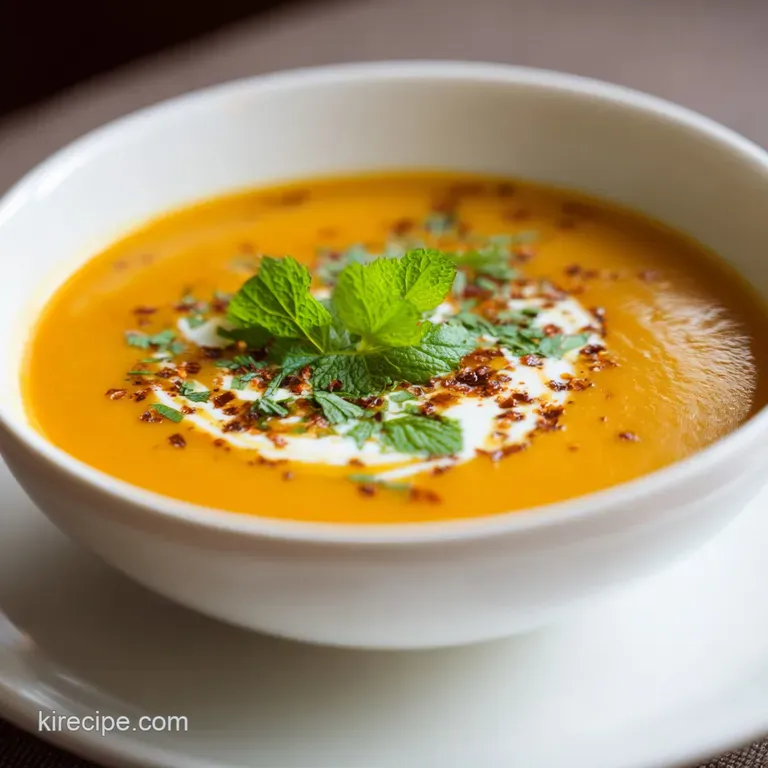
- Time: Active 10 minutes, Passive 20 minutes, Total 30 minutes
- Flavor/Texture Hook: Velvety smooth base with a punchy, warm aromatic finish
- Perfect for: Busy weeknight dinners, healthy meal prep, or beginner friendly entertaining
- Why this moroccan butternut squash soup recipe wins every time
- Understanding the science behind this velvety soup
- Comparing quick stovetop versus traditional roasting methods
- Component analysis of the key flavor builders
- Selecting your pantry staples and clever swaps
- Step by step guide to simmering your soup
- Fixing texture and seasoning issues like a pro
- Adjusting the yield for any crowd
- Smart budget alternatives for high end ingredients
- Debunking common squash soup misconceptions
- Storing leftovers and using every scrap wisely
- Perfect pairings to round out the meal
- Recipe FAQs
- 📝 Recipe Card
Why this moroccan butternut squash soup recipe wins every time
I still remember the first time I tried to make a squash soup. It was bland, watery, and honestly tasted like baby food. I almost gave up on the whole concept until I realized I was treating the vegetables like they didn't have feelings.
The moment I started blooming my spices in hot oil and letting the onions truly soften into a sweet jam, everything changed. Now, when that scent of Ras el Hanout hits the pan, my whole kitchen smells like a spice market in Marrakech, and I know I'm about to eat something special.
You don't need a massive budget or a culinary degree to pull this off. We're using 2 lbs of butternut squash which is incredibly cheap when bought whole and turning it into a silky masterpiece. The secret isn't in expensive gadgets; it's in the way we layer the heat and the fat.
This dish is the ultimate "hug in a bowl," especially when you're craving something that feels fancy but costs less than a takeout coffee per serving.
We're going to lean into the natural sweetness of the squash and balance it with the earthy depth of turmeric and the smoky kick of paprika. If you've been looking for a way to make vegetables the star of the show without feeling like you're "dieting," this is it.
It’s thick, it’s comforting, and it has enough protein from the chickpeas to actually keep you full until breakfast.
Understanding the science behind this velvety soup
To get that restaurant style finish, we have to understand how the ingredients interact under heat. It isn't just about boiling things until they're soft; it's about chemistry.
- Lipid Soluble Flavor Extraction: Many compounds in spices like turmeric and paprika are fat soluble, meaning they only release their full aromatic potential when toasted in oil rather than simmered in water.
- Polysaccharide Breakdown: Simmering the squash for exactly 20 minutes allows the complex starches to soften into simple sugars, creating a natural sweetness that balances the earthy chickpeas.
- Emulsification Stability: The high fat content in the 15 oz full fat coconut milk acts as an emulsifier, binding the watery vegetable broth to the fibrous squash puree for a consistent, non separating texture.
Comparing quick stovetop versus traditional roasting methods
Before you start chopping, it's worth deciding which path to take. While I love the stovetop method for its speed, roasting can add a different dimension if you have the time.
| Method | Time | Texture | Best For |
|---|---|---|---|
| Stovetop | 30 minutes | Silky and bright | Quick weeknight meals and busy families |
| oven-roasted | 55 minutes | Deep and caramelized | Weekend dinners when you want extra sweetness |
| Slow Cooker | 4 hours | Soft and integrated | Set it and forget it meal prep |
Choosing the stovetop method as outlined in our main recipe is the most efficient way to get dinner on the table. It preserves the vibrant color of the squash and keeps the ginger tasting fresh and zingy. Similar to the logic in our OCharleys Potato Soup Recipe, the key is managing the liquid to solid ratio to ensure the base remains thick enough to coat a spoon.
Component analysis of the key flavor builders
Every ingredient in this 30 minute wonder has a specific job to do. When we're working with a budget smart mindset, we want to make sure every cent spent on the grocery list is working overtime.
| Ingredient | Science Role | Pro Secret |
|---|---|---|
| Butternut Squash | Provides the primary starch and body | Pick a squash that feels heavy for its size for better moisture. |
| Ras el Hanout | Complex aromatic profile (up to 30 spices) | Bloom this in the olive oil for 60 seconds to unlock hidden oils. |
| Full fat Coconut Milk | Adds creamy mouthfeel and stable fats | Shake the can vigorously before opening to integrate the cream and water. |
| Fresh Ginger | Cuts through the richness with acidity | Grate it directly into the pan to catch all the flavorful juices. |
Selecting your pantry staples and clever swaps
For this recipe, we are sticking to the official measurements to ensure the balance is just right. You'll need 2 lbs butternut squash, peeled and cubed into 1 inch pieces. This size is crucial because it ensures the squash cooks through in exactly 20 minutes without turning into mush.
- 2 lbs butternut squashWhy this? Provides the creamy, sweet base and essential nutrients.
- Substitute: Frozen cubed squash (saves peeling time, no flavor loss).
- 1 large yellow onionWhy this? Building block of savory depth through caramelization.
- Substitute: 2 medium shallots for a milder, sweeter vibe.
- 3 cloves garlicWhy this? Essential pungent aromatic that rounds out the spices.
- Substitute: 1 tsp garlic powder added with the liquids.
- 1 tbsp fresh gingerWhy this? Adds a sharp, bright heat that balances the heavy squash.
- Substitute: 1 tsp ground ginger (less punchy but works in a pinch).
- 2 tbsp extra virgin olive oilWhy this? The medium for blooming spices and softening aromatics.
- Substitute: Avocado oil or any neutral vegetable oil.
- 1 tbsp Ras el HanoutWhy this? The "head of the shop" spice blend that defines Moroccan flavor.
- Substitute: Equal parts cumin, coriander, and a pinch of cinnamon.
- 1 tsp smoked paprikaWhy this? Mimics the depth of roasted vegetables without the oven time.
- Substitute: Sweet paprika with a drop of liquid smoke.
- 0.5 tsp turmericWhy this? Adds the iconic golden hue and earthy undertones.
- Substitute: Saffron threads (expensive) or just skip it.
- 4 cups low sodium vegetable brothWhy this? Allows us to control the salt levels of the final dish.
- Substitute: 4 cups water plus 2 vegetable bouillon cubes.
- 15 oz full fat coconut milkWhy this? Creates a luxurious, dairy-free texture that lingers on the palate.
- Substitute: Heavy cream (not vegan) or cashew cream.
- 15 oz canned chickpeasWhy this? Adds fiber, protein, and a pleasant textural contrast.
- Substitute: Canned cannellini beans for a softer bite.
- 1 tbsp fresh lemon juiceWhy this? The essential "acid splash" that wakes up all other flavors.
- Substitute: Apple cider vinegar or lime juice.
- 0.5 tsp salt & 0.25 tsp cracked black pepperWhy this? Basic seasoning to enhance the ingredient profile.
Chef's Tip: To save your fingers and your sanity, use a sharp Y peeler for the squash. If the skin is too tough, microwave the whole squash for 2 minutes first to soften the exterior.
step-by-step guide to simmering your soup
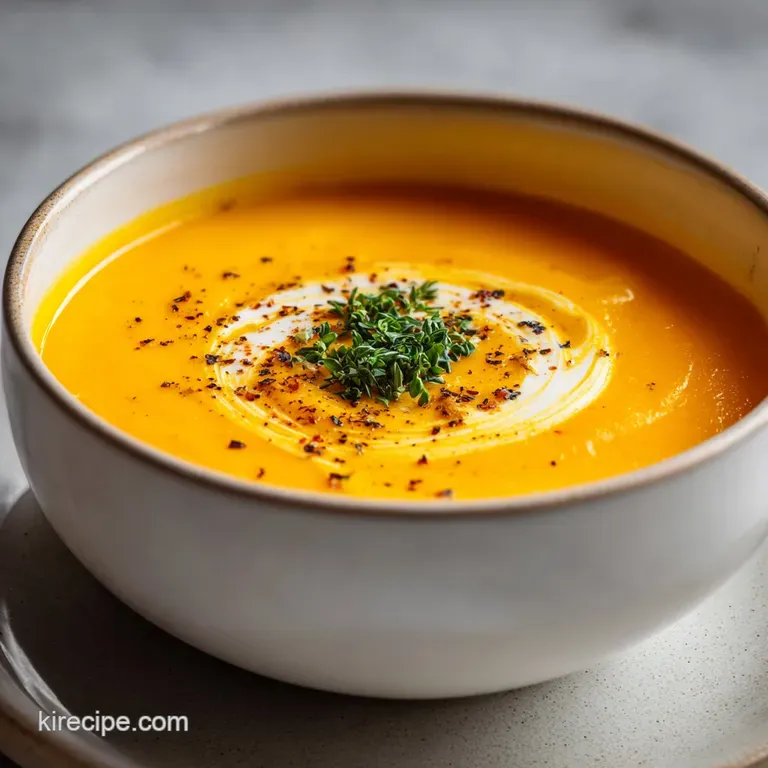
Let's get cooking. The goal here is to keep things moving so we hit that 30 minute total time. Watch for the color changes in the pot that’s your visual cue that flavor is developing.
- Prep the squash. Peel and cube your 2 lbs of butternut squash into 1 inch pieces. Note: Uniform sizes mean uniform cooking.
- Sauté the aromatics. Heat 2 tbsp olive oil in a large pot over medium heat and add the diced onion. Cook 5 minutes until translucent and soft.
- Add the punch. Stir in the 3 cloves of minced garlic and 1 tbsp of grated ginger. Sauté 1 minute until the aroma fills the room.
- Bloom the spices. Toss in 1 tbsp Ras el Hanout, 1 tsp smoked paprika, and 0.5 tsp turmeric. Toast for 60 seconds until the oil turns a deep amber.
- Build the body. Add the cubed squash and 4 cups of vegetable broth. Bring to a boil then reduce to a simmer.
- Simmer to soften. Cover and cook for 20 minutes until the squash is fork tender and starting to break apart.
- Blend it down. Use an immersion blender directly in the pot to puree the mixture. Process until the liquid is velvety and no chunks remain.
- Add the creaminess. Pour in the 15 oz of coconut milk and stir well. Note: This cools the soup slightly, making it ready to eat sooner.
- Add the texture. Stir in the 15 oz of drained chickpeas and the 1 tbsp of lemon juice. Heat through for 2 minutes.
- Season and serve. Add your salt and cracked black pepper. Taste and adjust the salt if the flavors don't pop yet.
Fixing texture and seasoning issues like a pro
Even with a straightforward recipe, things can go sideways. Butternut squash varies in water content, which can sometimes throw off your results.
Fixing a watery or thin texture
If your soup looks more like juice than a hearty meal, don't panic. This usually happens if the squash was particularly small or held too much water. You can simmer it uncovered for an extra 10 minutes to reduce the liquid, or take a half cup of the chickpeas, mash them into a paste, and stir them back in.
The starch from the chickpeas acts as a natural thickener without changing the flavor profile.
Balancing an overpowering spice level
Sometimes a brand of Ras el Hanout can be a bit more aggressive than others. If the spice is hitting the back of your throat too hard, add another splash of coconut milk or a teaspoon of honey. The fat and sugar will coat your taste buds and neutralize the capsaicin or heavy pepper notes.
| Problem | Root Cause | Solution |
|---|---|---|
| Soup is grainy | Squash wasn't cooked long enough | Simmer for 5 more mins and blend again. |
| Lacks "punch" | Needs more acidity | Add an extra teaspoon of lemon juice or vinegar. |
| Too salty | Broth was higher in sodium | Add a peeled, halved potato and simmer for 10 mins, then remove. |
Common Mistakes Checklist
- ✓ Never skip the spice toasting step; raw spices taste "dusty" rather than warm.
- ✓ Don't add the lemon juice at the beginning; heat can turn it bitter during a long simmer.
- ✓ Avoid over blending the chickpeas; you want them whole for that "Moroccan stew" feel.
- ✓ Ensure the squash is truly soft before blending, or you'll end up with a gritty texture.
- ✓ Use full fat coconut milk; the light version won't provide the necessary emulsification.
Adjusting the yield for any crowd
Scaling this soup is incredibly easy because it’s a "one pot" wonder. However, there are a few rules to follow to keep the flavor balance intact.
- Downsizing (½ batch): If you're cooking for two, use 1 lb of squash and keep the spices at about 60% of the original volume. Use the whole can of chickpeas but only half the can of coconut milk (save the rest for a smoothie!). Reduce the simmer time by about 5 minutes since there's less mass to heat.
- Upsizing (2x batch): When doubling for a party, use a much larger stockpot to allow for evaporation. You only need 1.5x the salt and spices doubling them exactly can often become overwhelming. Use two full cans of chickpeas and coconut milk.
- The "Half Can" Rule: If a recipe calls for half a can of something when scaling down, always freeze the remainder in an ice cube tray. It’s a great way to avoid waste and have flavor "bombs" ready for your next Moroccan Chicken Couscous recipe.
Smart budget alternatives for high end ingredients
If your local grocery store is missing specific items or they are priced like gold this week, use these smart swaps.
| Premium Ingredient | Budget Alternative | Flavor Impact | Savings |
|---|---|---|---|
| Ras el Hanout | Cumin + Cinnamon + Ginger | Slightly less floral but still warm | $4 - $6 per jar |
| Fresh Ginger | Ground Ginger (1 tsp) | Less "zingy," more earthy | $2 per knob |
| Butternut Squash | Frozen Cubed Squash | Identical flavor, softer texture | $1.50 (plus time) |
| Full fat Coconut Milk | 1 cup Milk + 1 tbsp Butter | Less tropical, still creamy | $2 per can |
Using frozen squash is actually one of my favorite budget tips. Often, the frozen version is processed at peak ripeness, whereas the "fresh" squash in the bin might have been sitting in a warehouse for months. If you’re looking for more ways to use pantry staples, you might also like my Substitute for Cream recipe which covers more dairy-free hacks.
Debunking common squash soup misconceptions
One major myth is that you must roast the squash to get any flavor. That’s simply not true. While roasting adds a charred sweetness, the "blooming" technique we use with the Ras el Hanout and olive oil creates a depth of flavor that is just as complex in half the time.
The liquid actually pulls the nutrients out of the squash and keeps them in the soup, whereas some can be lost to the high heat of an oven.
Another misconception is that butternut squash soup has to be sweet like a dessert. People often overdo it with nutmeg and maple syrup. By using smoked paprika and chickpeas, we keep this firmly in the savory camp.
This isn't a pumpkin pie in a bowl; it's a legitimate, spiced meal that pairs perfectly with crusty bread or a side of grains.
Storing leftovers and using every scrap wisely
This soup actually tastes better on day two. As it sits in the fridge, the spices continue to infuse the liquid, and the starches stabilize.
- Fridge: Store in an airtight container for up to 4 days.
- Freezer: This soup freezes beautifully because it doesn't contain dairy milk (which can split). It stays fresh for up to 3 months. Leave an inch of "headspace" in your jar or bag, as the liquid will expand when frozen.
- Reheating: Use a saucepan over low heat. If it has thickened too much in the fridge, add a splash of water or broth to loosen it up.
- Zero Waste Tip: Don't throw away those squash seeds! Rinse them, pat them dry, and toss them with a little olive oil and salt. Roast them at 300°F (150°C) for 15 minutes for a crunchy, free topping that adds a nice "shatter" to your velvety soup. You can also save the squash peels in a bag in the freezer to make a rich vegetable stock later.
Perfect pairings to round out the meal
While this soup is a meal on its own, it loves company. To lean into the Moroccan theme, serve it alongside some warm pita bread or a simple herb salad with plenty of parsley and mint.
If you want to create a full spread, this soup serves as a fantastic starter for a Moroccan Chicken Couscous recipe. The flavors share a similar DNA, making the transition from soup to main course seamless. For a more casual weeknight vibe, a simple grilled cheese sandwich maybe with some sharp cheddar and a swipe of harissa is a match made in heaven. The acidity of the lemon in the soup cuts right through the richness of the cheese.
Whatever you do, don't forget the garnish. A swirl of extra coconut milk on top, a sprinkle of those toasted seeds, or a few fresh cilantro leaves makes this look like it came from a high end bistro rather than your own kitchen. It's these small, budget friendly touches that make a 30 minute meal feel like an event.

Recipe FAQs
What is the national soup of Morocco?
No, there isn't one official national soup. Moroccan cuisine features many regional specialties, but Harira, a rich tomato, lentil, and chickpea soup often eaten during Ramadan, is arguably the most famous globally.
What are some common problems when making butternut squash soup?
The most common issues are blandness and poor texture. Blandness occurs from skipping the spice blooming step; toasting spices in oil releases fat-soluble flavors. For texture, ensure the squash is completely soft before blending to avoid graininess.
What spices go into Moroccan butternut squash soup?
The primary defining spice is Ras el Hanout. This blend often includes cardamom, clove, and nutmeg, balanced with turmeric, smoked paprika, ginger, and garlic for warmth and color.
Is butternut squash soup good for inflammation?
Yes, it contains several beneficial anti inflammatory ingredients. Turmeric and ginger are known for their potent anti inflammatory properties, and the squash itself is rich in carotenoids like beta carotene.
How to make the soup thicker if it turned out too watery?
Simmer uncovered for an extra 10 minutes to reduce liquid naturally. Alternatively, mash a half cup of the cooked chickpeas into a fine paste and stir them back in; this starch acts as a great thickening agent without altering the flavor much.
Is it true I must roast the squash before simmering for authentic flavor?
No, this is a common misconception. While roasting adds a caramelized sweetness, quickly blooming the Ras el Hanout in hot oil before simmering extracts deep flavor notes efficiently. This technique is similar to how you extract maximum flavor in our Broccoli Stuffed Chicken recipe.
Can I substitute coconut milk with a lower fat dairy option?
No, stick to full fat coconut milk for the best emulsion. low-fat dairy or milk substitutes lack the necessary fat content to properly bind the puree and liquid, often leading to a thin, separated soup texture.
Moroccan Butternut Squash Soup

Ingredients:
Instructions:
Nutrition Facts:
| Calories | 331 kcal |
|---|---|
| Protein | 7.2 g |
| Fat | 19.2 g |
| Carbs | 36.3 g |
| Fiber | 7.5 g |
| Sugar | 8.8 g |
| Sodium | 417 mg |
