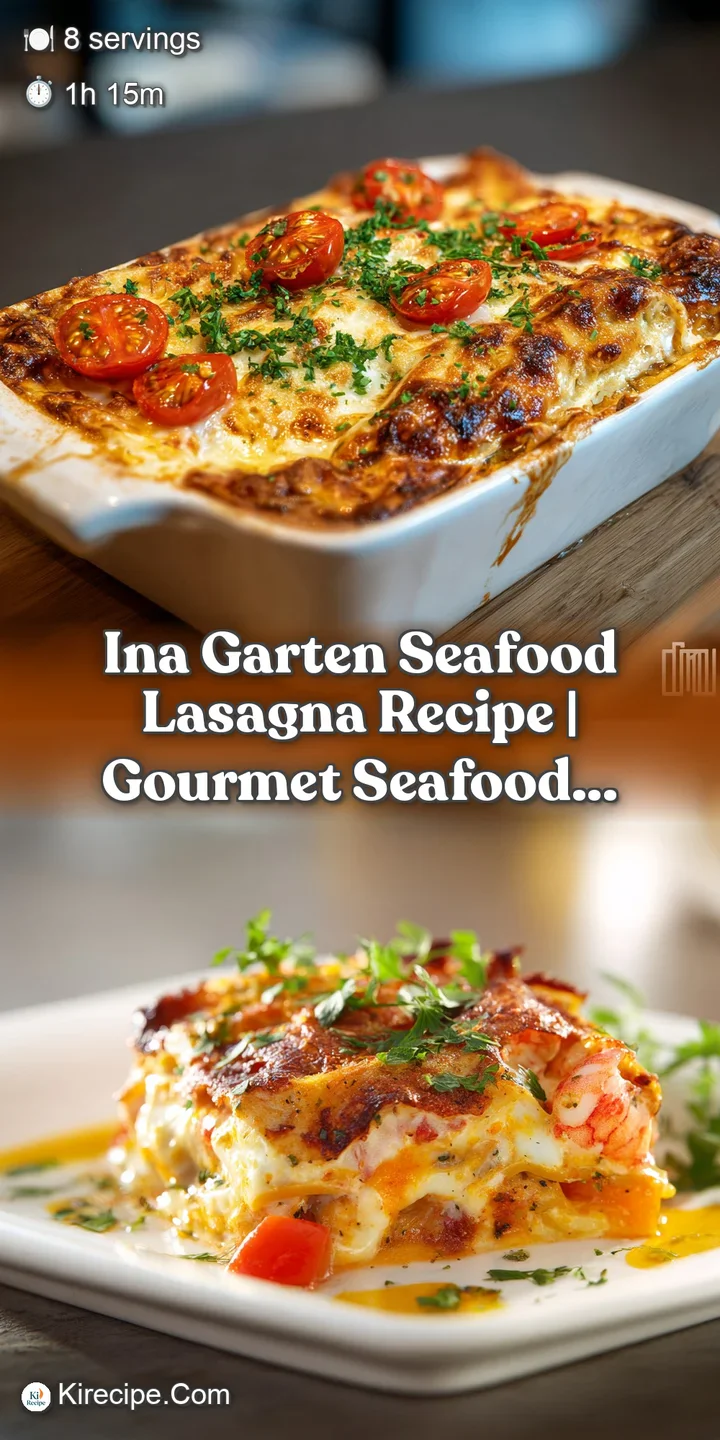
Ina Garten Seafood Lasagna Recipe
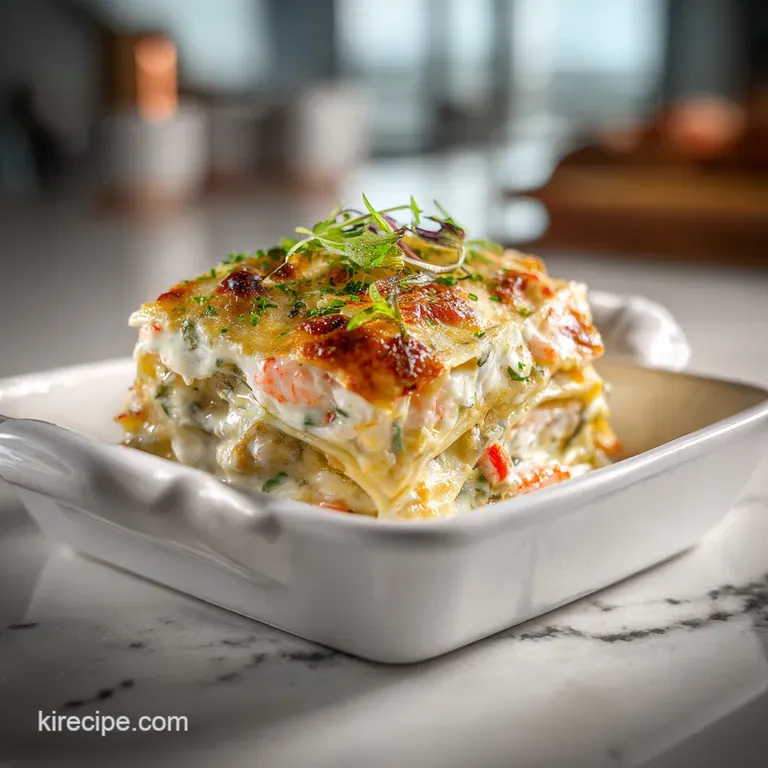
- Time: Active 30 minutes, Passive 45 minutes, Total 1 hours 15 mins
- Flavor/Texture Hook: Velvety, saline sweet, and herb flecked
- Perfect for: Christmas Eve dinner, celebratory birthdays, or impressing the in laws
- Mastering the Iconic Ina Garten Seafood Lasagna
- Secrets to a Velvety Seafood Bake
- Key Stats for Your Kitchen
- Essential Elements for Gourmet Flavors
- Tools Needed for Success
- Step-by-Step Layering and Baking
- Troubleshooting Common Baking Pitfalls
- Creative Customizations for Every Table
- Storing and Refreshing Your Leftovers
- Ideas for Perfect Pairings
- Myths Regarding Seafood Pasta
- Very High in Sodium
- Recipe FAQs
- 📝 Recipe Card
Mastering the Iconic Ina Garten Seafood Lasagna
I still remember the first time I pulled this dish out of the oven. The kitchen was thick with the scent of toasted nutmeg and garlic, a warm, buttery cloud that made everyone in the living room stop talking and gravitate toward the stove.
I’d spent the afternoon meticulously peeling 1 lb of large shrimp and patting dry those tiny bay scallops, wondering if the goat cheese would be too sharp. But as the first slice came out, revealing those distinct layers of green spinach and pink seafood held together by a shimmering white sauce, I knew I’d never look at a meat lasagna the same way again.
The real magic happened when we hit the crusty edges. You know that specific sound when a fork hits a golden, oven baked pasta corner? That "shatter" is what dreams are made of. This isn't your heavy, grease laden Sunday gravy lasagna.
It’s elegant and bright, using a seafood stock base that highlights the sweetness of the 0.5 lb of fresh lump crab meat rather than drowning it in heavy cream. Trust me, the white pepper gives it a subtle, floral heat that black pepper just can't touch.
Let’s get your kitchen smelling like a Five Star bistro on the Cape.
Secrets to a Velvety Seafood Bake
Emulsification Stability: The combination of unsalted butter and all purpose flour creates a roux that binds the seafood stock and whole milk, preventing the fats from separating during the over high heat bake. This ensures the sauce remains silky rather than oily.
Protein Denaturation: Searing the shrimp and scallops briefly in olive oil before layering allows the proteins to set, which locks in their natural juices and prevents them from leaching excess water into the pasta layers.
Acidity Balance: The creamy goat cheese provides a necessary lactic acid hit that cuts through the richness of the ricotta and seafood, brightening the overall flavor profile without the need for heavy citrus.
| Fresh Seafood Approach | Shortcut Seafood Approach | The Impact |
|---|---|---|
| Hand picked lump crab | Canned claw meat | Fresh is sweeter; canned can be slightly metallic. |
| Homemade seafood stock | Bottled clam juice | Homemade is richer; clam juice is saltier. |
| Grating whole nutmeg | Pre ground nutmeg | Fresh has a "woody" aroma; ground is one dimensional. |
While I always advocate for fresh, sometimes the budget or the clock doesn't play nice. If you're using bottled clam juice instead of seafood stock, just watch your salt levels. Clam juice can be a total salt bomb, so you might want to skip the extra seasoning until the sauce is fully simmered. Similar to the balance needed in an Ina Garten Spatchcock recipe, the quality of your base liquid dictates the depth of the finished dish.
Key Stats for Your Kitchen
| Ingredient | Science Role | Pro Secret |
|---|---|---|
| Seafood Stock | Flavor Foundation | Simmer it with the shrimp shells first for a "double stock" boost. |
| Goat Cheese | Emulsifier & Tang | Ensure it is room temperature to avoid "cheese lumps" in your ricotta mix. |
| Frozen Spinach | Textural Contrast | Squeeze it in a clean tea towel until your knuckles turn white moisture is the enemy. |
| Nutmeg | Flavor Bridge | It connects the earthiness of the spinach to the sweetness of the milk. |
Right then, let's talk about that spinach. I’ve made the mistake of just "squeezing it a bit" with my hands. Big error. My lasagna ended up with a green puddle at the bottom that made the bottom noodles mushy. Now, I use a potato ricer or a very sturdy kitchen towel to wring every last drop out.
It should look like a dry ball of moss before you even think about adding it to the cheese.
Essential Elements for Gourmet Flavors
- 1 lb dried lasagna noodles: Use semolina sheets for a better "bite" or al dente finish.
- 1 lb Large shrimp: Peeled, deveined, and cut into 1/2 inch chunks. Why this? Smaller chunks ensure you get shrimp in every single bite.
- 1 lb Bay scallops: Or sea scallops cut into quarters. Why this? They cook at the same rate as the shrimp pieces.
- 0.5 lb Fresh lump crab meat: Carefully picked for shells.
- 1 tbsp Olive oil: For the quick sear.
- 2 cloves Garlic: Minced finely.
- 4 tbsp Unsalted butter: The base of our golden roux.
- 0.5 cup All purpose flour: To thicken our sauce into a velvety blanket.
- 2 cups Seafood or clam stock: Provides the "ocean" backbone.
- 1.5 cups Whole milk: Adds body and a creamy mouthfeel.
- 0.5 tsp Nutmeg: Freshly grated is a non negotiable here.
- 15 oz Part skim ricotta cheese: Provides structure to the layers.
- 4 oz Creamy goat cheese: Room temperature for easy blending.
- 1 cup Freshly grated Parmesan cheese: For that salty, umami kick on top.
- 1.5 cups Shredded part skim mozzarella: For the classic "cheese pull."
- 0.25 cup Fresh flat leaf parsley: Adds a hit of freshness.
- 10 oz Frozen spinach: Thawed and squeezed bone dry.
- Salt and white pepper: To taste.
If you find yourself short on seafood stock, a dry white wine like Sauvignon Blanc can replace about 0.5 cups of the liquid for a sophisticated, acidic punch. It’s a trick I often use when making a Red Lobster Tartar recipe style accompaniment acidity is what makes seafood sing.
Tools Needed for Success
- 9x13-inch Baking Dish: Ceramic or glass works best for even heat distribution.
- Large Sauté Pan: For searing the seafood without overcrowding.
- Medium Saucepan: To whisk up your creamy sauce.
- Large Mixing Bowl: For the herb and cheese mixture.
- Fine Mesh Whisk: To ensure your roux is completely lump free.
- Kitchen Towel: Specifically for the "Spinach Squeeze" operation.
step-by-step Layering and Baking
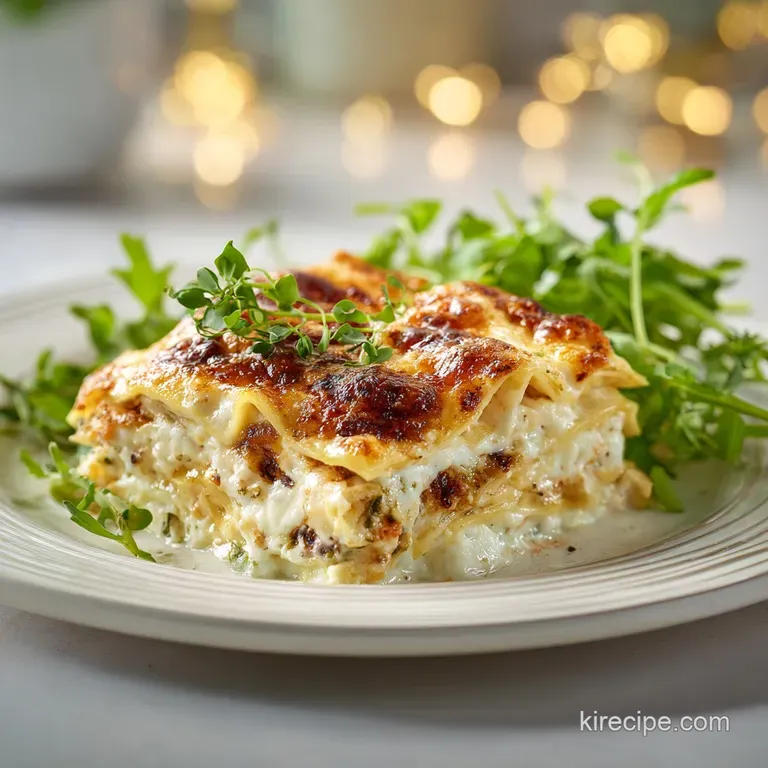
- Prep the noodles. Boil the lasagna sheets in salted water for 2 minutes less than the package directions until they are flexible but still firm. Note: They will finish cooking in the seafood juices later.
- Sear the proteins. Heat olive oil in a pan and toss in the shrimp and scallops for 2 minutes until they just turn opaque and the edges sizzle.
- Aromatize the pan. Stir in the minced garlic for 30 seconds until fragrant but not browned. Remove from heat and stir in the crab meat.
- Create the roux. Melt 4 tbsp butter in a saucepan, whisk in 0.5 cup flour, and cook for 3 minutes until it smells slightly nutty.
- Whisk the sauce. Slowly stream in the seafood stock and milk, whisking constantly until the sauce thickens and coats the back of a spoon.
- Season the base. Stir in the nutmeg, salt, and white pepper. Note: Use white pepper to keep the sauce looking pristine and "cloud like."
- Mix the cheeses. In a bowl, combine the ricotta, goat cheese, parsley, and that bone dry spinach until a thick, green speckled paste forms.
- Layer the bottom. Spread a thin layer of sauce in the dish, followed by noodles, then 1/3 of the cheese mix and 1/3 of the seafood.
- Repeat the build. Continue layering noodles, cheese, seafood, and sauce until you reach the top of the dish.
- Finish and bake. Top with mozzarella and Parmesan, then bake at 180°C (350°F) for 45 minutes until the cheese is bubbly and the edges are golden brown.
Chef's Tip: If you want those perfectly clean slices you see in magazines, you absolutely must let the lasagna rest for at least 15 minutes after it comes out of the oven. If you cut it immediately, the velvety sauce will just run everywhere.
Troubleshooting Common Baking Pitfalls
Fixing Watery Lasagna Layers
If you cut into your lasagna and it looks like a soup, the culprits are usually the spinach or the seafood. Seafood naturally releases liquid as it cooks. If you didn't sear the shrimp and scallops first, they "steam" inside the pasta layers, dumping all their moisture into the sauce.
Preventing Hard Top Noodles
Sometimes the top layer of pasta can become "shatter crisp" in a bad way turning hard and dry rather than golden. This happens when the top noodles aren't completely covered by sauce or cheese.
| Problem | Root Cause | Solution |
|---|---|---|
| Curdled Sauce | Cold milk added too fast to hot roux | Add milk in a slow, steady stream while whisking vigorously. |
| Rubbery Shrimp | Overcooked before baking | Sear for only 2 mins; they should still be slightly translucent in the center. |
| Bland Flavor | Lack of salt in the pasta water | Salt your boiling water until it tastes like the sea; it's your only chance to season the noodles. |
Common Mistakes Checklist
- ✓ Pat the shrimp and scallops dry with paper towels before searing to get a proper sizzle.
- ✓ Don't skip the goat cheese it’s the "secret ingredient" that provides the signature tang.
- ✓ Ensure the lasagna rests for 15 minutes; the starch in the noodles needs time to "set" the sauce.
- ✓ Use a heavy bottomed saucepan for the sauce to prevent the milk from scorching on the bottom.
Creative Customizations for Every Table
If you want to scale this down for a cozy date night, you can easily halve the recipe and use an 8x8-inch square pan. Just remember that when scaling down, the sauce reduces faster, so keep your heat low. If you're doubling it for a big crowd, don't just double the salt start with 1.5x and taste.
Liquids should also be reduced by about 10% when doubling to ensure the structural integrity of a massive tray.
If you're looking for a meatier main for next Sunday, my Ina Garten Cassoulet recipe is a total showstopper, but for this seafood version, sticking to the proportions is key for that delicate balance.
| Servings | Seafood Total | Cheese Total | Pan Size |
|---|---|---|---|
| 4 People | 1.25 lb mixed | 10 oz mixed | 8x8 inch |
| 8 People | 2.5 lb mixed | 20 oz mixed | 9x13 inch |
| 12 People | 3.75 lb mixed | 30 oz mixed | Two 9x13 inch |
Storing and Refreshing Your Leftovers
This dish keeps beautifully in the fridge for up to 3 days. In fact, some say it’s better the next day because the flavors have had time to "marry" (cheesy, I know, but true).
To reheat, cover a slice with foil and pop it in a 160°C (320°F) oven for about 20 minutes. This prevents the seafood from getting rubbery in the microwave.
For freezing, I recommend freezing it before the final bake. Assemble the layers, wrap the dish tightly in plastic wrap and then a heavy layer of foil. It will stay fresh for up to 2 months.
When you're ready to eat, thaw it overnight in the fridge and bake as directed, though you might need to add 10-15 minutes to the clock. For zero waste, save your shrimp shells! Toss them in a freezer bag and use them later to make a quick stock for risotto or a bouillabaisse.
Ideas for Perfect Pairings
Since this lasagna is quite rich and decadent, you want a side dish that offers a crisp, acidic contrast. A simple arugula salad with a lemon vinaigrette is my go to. The peppery bite of the greens cuts right through the goat cheese and butter sauce.
If you want something warm, roasted asparagus with a sprinkle of lemon zest works wonders.
For wine, you want something with high acidity and citrus notes. A crisp Sancerre or a cold Pinot Grigio is the classic choice. If you’re feeling fancy, a dry sparkling wine like a Cava or Champagne is actually incredible here the bubbles scrub your palate between bites of that velvety sauce. If you have any leftover sausage from making my Ina Garten Sausage recipe, don't be tempted to throw it in here; keep this dish strictly "under the sea" to let the delicate crab and scallops shine.
Myths Regarding Seafood Pasta
Searing meat does not "seal in juices," and neither does searing seafood. We sear the shrimp and scallops to create a Maillard reaction (flavor) and to cook off excess surface moisture. If we didn't sear them, they would release that water into the lasagna during the 45 minute bake, resulting in a soggy, diluted sauce.
Another common thought is that you can't mix cheese and seafood. This is an old school Italian rule that simply doesn't apply to a creamy lasagna. The mild, creamy nature of ricotta and the tang of goat cheese actually complement the sweetness of the shellfish perfectly, acting as a rich vehicle for the oceanic flavors.
Very High in Sodium
945 mg mg of sodium per serving (41% % of daily value)
The American Heart Association recommends limiting sodium intake to about 2,300mg per day for overall cardiovascular health.
Tips to Reduce Sodium in Your Seafood Lasagna
-
Low-Sodium Broth-30%
Use low-sodium or no-salt added seafood or clam stock. This will significantly cut down on sodium. Look for products with less than 140mg of sodium per serving.
-
Reduce Parmesan-15%
Parmesan cheese is a significant source of sodium. Reduce the amount of Parmesan cheese by half or substitute with a low-sodium cheese alternative.
-
Skip Added Salt-25%
Eliminate added salt completely. Taste the dish before adding any salt and rely on other herbs and spices for flavor.
-
Fresh Crab Matters-10%
Ensure the crab meat is truly fresh and not pre-cooked in a brine, which adds sodium. If using frozen, rinse thoroughly.
-
Herb Power!
Enhance the flavor with fresh or dried herbs and spices like garlic powder, onion powder, black pepper, or Italian seasoning. They add flavor without adding sodium.
Recipe FAQs
Can I use pre-shredded mozzarella cheese instead of grating my own?
No, grating your own is highly recommended. Pre-shredded cheeses contain anti caking agents like cellulose, which prevent them from melting smoothly into the velvety sauce.
How to tell when the seafood is perfectly seared before layering?
Remove the seafood when the edges just turn opaque and begin to sizzle slightly. You want them almost cooked, as they will finish cooking fully in the oven's heat.
Is it true I must use white pepper instead of black pepper?
Yes, white pepper is essential for aesthetic reasons. While black pepper adds heat, the tiny dark flecks would mar the pristine, cloud like appearance of the creamy sauce base.
How to ensure the frozen spinach doesn't make the lasagna watery?
Squeeze the thawed spinach with significant force using a clean, thick kitchen towel. You must wring out every last drop of moisture to maintain the structure of your cheese layer.
Do I need to fully cook the lasagna noodles before assembly?
No, cook them slightly underdone, about 2 minutes less than directed. The noodles need residual starch to absorb the liquid during the 45-minute bake without becoming mushy.
What is the key role of the goat cheese in this recipe?
The goat cheese provides necessary acidity and helps emulsify the sauce. Its slight tanginess cuts through the richness of the ricotta and milk, balancing the final flavor profile.
Can I substitute the seafood stock with chicken stock if I have to?
No, you should avoid that substitution if possible. Chicken stock lacks the necessary salinity and depth to carry the seafood flavor; try using bottled clam juice, although you must reduce added salt significantly. If you master the roux technique here, it applies beautifully to creamy sauces like our OCharleys Potato Soup Recipe.
Ina Garten Seafood Lasagna
Ingredients:
Instructions:
Nutrition Facts:
| Calories | 698 kcal |
|---|---|
| Protein | 53.6 g |
| Fat | 24.9 g |
| Carbs | 57.9 g |
| Fiber | 3.1 g |
| Sugar | 6.5 g |
| Sodium | 945 mg |
