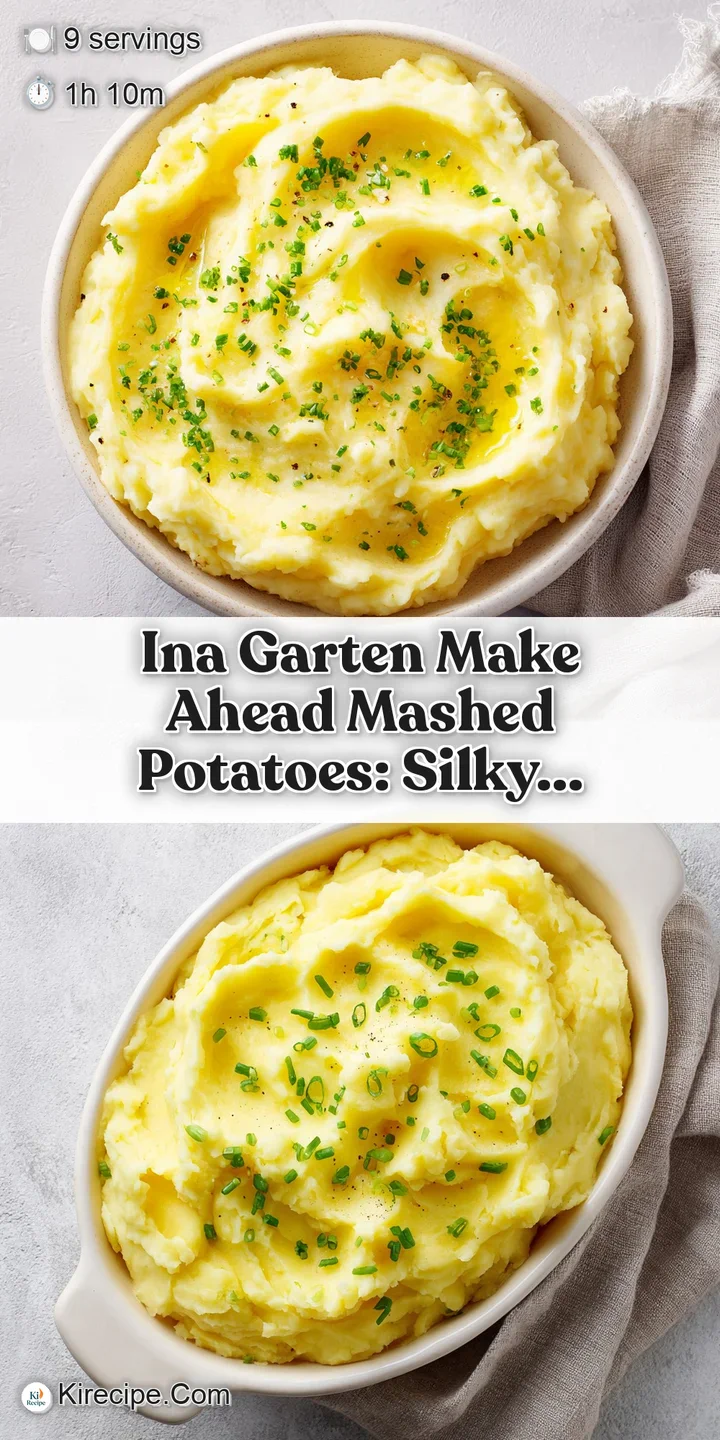
Ina Garten Make Ahead Mashed Potatoes Recipe
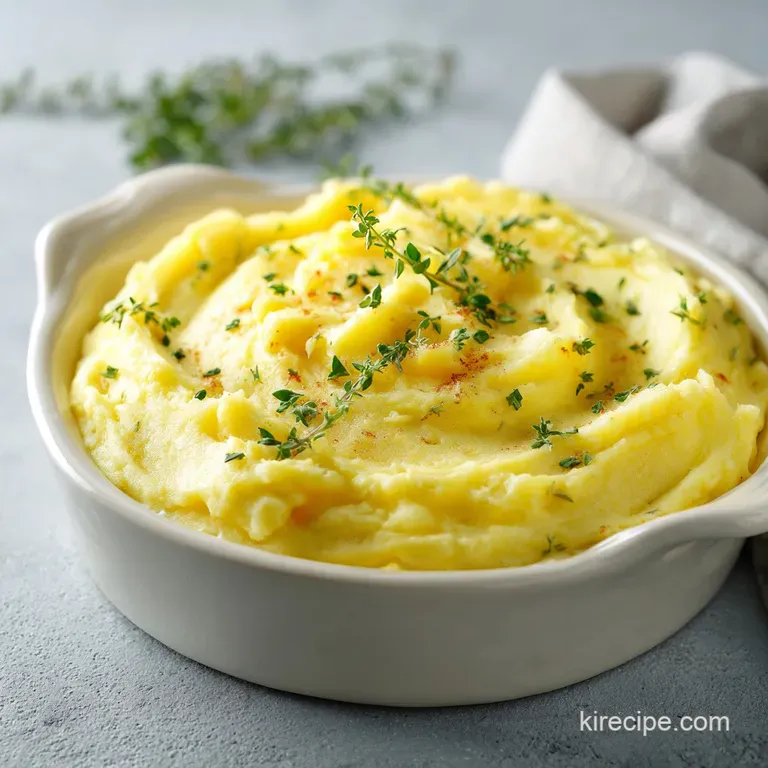
- Time: Active 20 minutes, Passive 50 minutes, Total 1 hours 10 mins
- Flavor/Texture Hook: Cloud like and buttery with a subtle, tangy finish
- Perfect for: Stress free holiday hosting or busy weeknight meal prep
- Mastering the Ina Garten Make Ahead Mashed Potatoes
- Molecular Magic Behind Fluffy Make Ahead Potatoes
- Essential Facts for Your Next Big Dinner
- Selecting Quality Elements for a Silky Result
- Simple Gear Needed for a Smooth Mash
- A Detailed Roadmap from Preparation to Plating
- Solving Texture Woes and Temperature Mistakes
- Tasty Swaps to Tailor Your Side Dish
- Scaling This Dish for Different Crowds
- Debunking Common Potato Myths
- Safe Storage Tips and Using Every Scrap
- Excellent Pairings for Your Finished Potato Dish
- Recipe FAQs
- 📝 Recipe Card
Mastering the Ina Garten make-ahead Mashed Potatoes
I still remember the absolute panic of my first hosted Thanksgiving. The turkey was resting, the gravy was bubbling, but the potatoes? They were cold, lumpy, and I was sweating through my favorite apron trying to mash them while everyone sat down. It was a disaster.
I realized then that the "mash at the last second" rule is a total lie. You don't need that kind of stress in your life, and honestly, neither do your potatoes.
This recipe changed everything for me. It’s the one I pull out when I want that buttery, decadent flavor without the frantic last minute peeling and boiling. The secret isn't just in the butter (though there is plenty of that), but in how we handle the starch and the temperature.
We’re going for a texture that stays velvety even after a stint in the fridge.
We've all had those make-ahead dishes that turn into a solid, gluey brick once they cool down. Trust me, we aren't doing that here. By using specific fats and the right potato variety, we create a mash that reheats like a dream.
Whether you’re feeding a crowd or just want to get ahead of your Tuesday dinner, this method is going to be your new best friend in the kitchen.
Molecular Magic Behind Fluffy make-ahead Potatoes
Starch Stability: Using Yukon Golds provides a medium starch content that holds its structure without becoming grainy during the reheating process.
Fat Barrier: Coating the hot potato cells with melted butter before adding liquids prevents the starch from bonding too tightly into a "gluey" mess.
Acidic Buffering: The sour cream adds lactic acid, which helps stabilize the dairy proteins and provides a bright contrast to the heavy fats.
Moisture Equilibrium: Keeping the mash slightly "looser" than usual accounts for the moisture the potatoes will absorb while sitting in the fridge.
| Method | Total Time | Final Texture | Best For |
|---|---|---|---|
| Traditional Stovetop | 45 minutes | Light and airy | Immediate serving only |
| Oven Bake (Ahead) | 1 hours 10 mins | Rich and velvety | Holiday dinners/Parties |
| Slow Cooker | 4 hours 30 mins | Very soft | Potlucks with limited space |
Choosing the make-ahead oven method is the smartest move for big gatherings. It allows the flavors to meld while keeping the potatoes from drying out on the edges. If you're planning a full spread, these pair beautifully with my Ina Garten Make recipe for a complete holiday feel.
| Component | Science Role | Pro Secret |
|---|---|---|
| Yukon Gold Potatoes | High sugar/starch balance | Don't peel until after boiling for more potato flavor |
| Sour Cream | Emulsifier and stabilizer | Use full fat to prevent the mash from breaking |
| Whole Milk | Hydration and protein | Warm it first to avoid shocking the hot starches |
| Unsalted Butter | Fat for mouthfeel | Cold cubes on top create a self basting steam lid |
Essential Facts for Your Next Big Dinner
Before we get the water boiling, let's look at the numbers. This recipe makes 9 servings, which is usually enough for a standard family gathering with leftovers. You’ll want to make sure your potatoes are roughly the same size when quartered so they cook evenly.
- 1.81 kg Yukon Gold potatoes (peeled and quartered)
- 34 g Kosher salt (divided into 2 tbsp and 1 tbsp)
- 2 g Freshly ground black pepper
- 355 ml Whole milk
- 113 g Unsalted butter (melted)
- 120 g Sour cream
- 60 ml Heavy cream
- 28 g Unsalted butter (cold and cubed)
Selecting Quality Elements for a Silky Result
- Yukon Gold Potatoes: These are non negotiable for the "make-ahead" factor. Why this? Their waxier texture prevents them from absorbing too much water and turning into mush.
- Substitute: Red Bliss potatoes. They have a similar moisture content but a slightly different flavor.
- Whole Milk: Provides the necessary liquid for a creamy consistency. Why this? Lower fat milks make the potatoes watery and thin.
- Substitute: 2% milk with an extra splash of heavy cream.
- Sour Cream: Adds the "tangs" and helps keep the mash moist during reheating. Why this? The fat and acidity act as a natural preservative for texture.
- Substitute: Full fat Greek yogurt (plain). Note: This adds more tang and less richness.
- Kosher Salt: Essential for seasoning the water and the final mash. Why this? It dissolves more evenly and has a cleaner taste than table salt.
- Substitute: Sea salt, but use 25% less by volume.
- Heavy Cream: Just a splash for that final luxurious mouthfeel. Why this? It adds a fat layer that prevents the potatoes from drying out.
- Substitute: Half and half, though it won't be quite as rich.
Simple Gear Needed for a Smooth Mash
You don't need a kitchen full of gadgets for this. A large stockpot (at least 6 liters) is vital so the potatoes have room to move in the boiling water. I highly recommend a potato ricer or a food mill if you want that truly "restaurant style" smoothness, but a sturdy hand masher works if you don't mind a few rustic bits.
For the baking stage, an oven proof casserole dish (about 23x33 cm) is the standard. Make sure it has high enough sides so the cream doesn't bubble over. If you're making this for a weeknight meal, like pairing it with an Ina Garten Chicken recipe, a smaller deep dish works just as well.
A Detailed Roadmap from Preparation to Plating
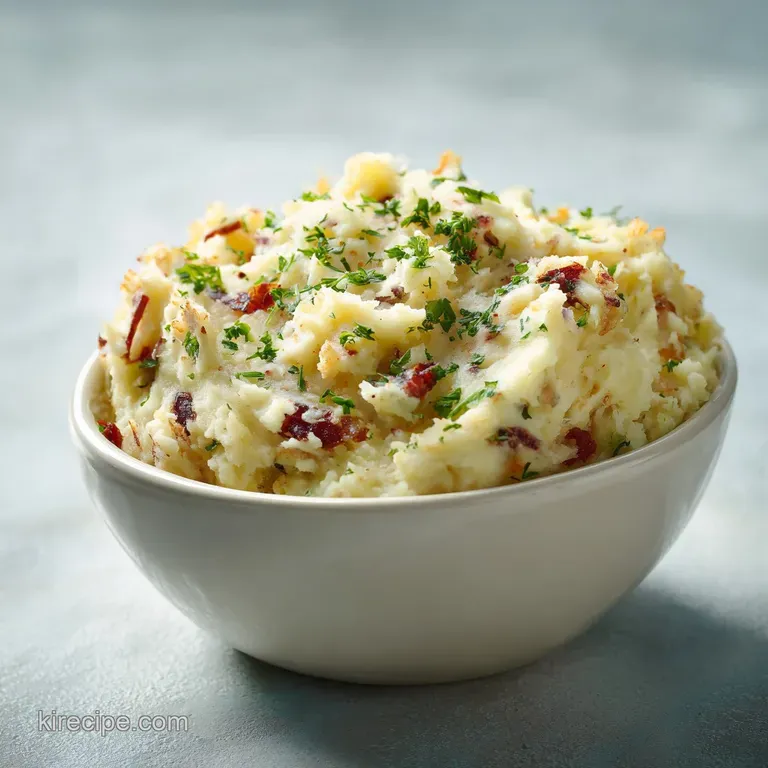
- Prepare the base. Place 1.81 kg peeled and quartered Yukon Gold potatoes in a large pot with 2 tbsp (23g) Kosher salt.
- Boil the potatoes. Cover with cold water and bring to a boil, then simmer for 25 to 30 mins until the potatoes are tender when pierced with a fork.
- Dry the potatoes. Drain the potatoes and return them to the warm pot for 1 minute Note: This evaporates excess steam so they don't get watery.
- Mash the spuds. Pass the potatoes through a food mill or ricer into a large bowl until no large lumps remain.
- Warm the liquids. In a small saucepan, heat 355 ml whole milk and 113 g melted butter until just steaming but not boiling.
- Incorporate the dairy. Slowly whisk the hot milk mixture into the potatoes using a wooden spoon Note: Do this gradually to ensure the starch absorbs the fat properly.
- Fold in richness. Gently stir in 120 g sour cream, 60 ml heavy cream, 1 tbsp (11g) Kosher salt, and 2 g black pepper until the mixture is silky and combined.
- Prepare for storage. Transfer the mixture to a buttered baking dish, smoothing the top with a spatula.
- Add the finish. Top the potatoes with 28 g cold, cubed butter until the surface is dotted evenly.
- Reheat and serve. If making ahead, refrigerate. When ready, bake at 180°C for 30 mins until the center is hot and the butter has melted into the mash.
Solving Texture Woes and Temperature Mistakes
Why Your Potatoes Turned Gluey
This is the most common heartbreak in the potato world. It usually happens because the potatoes were over worked. When you mash or stir too vigorously, you break the starch granules, releasing a sticky substance that turns the dish into wallpaper paste.
Always use a ricer if possible and never, ever use a food processor or blender.
Why Your Reheated Mash is Dry
If you pull the dish out of the oven and it looks crumbly, it’s likely because the starch absorbed all the liquid during its time in the fridge. This is why we add the extra heavy cream and the butter cubes on top before baking. Those fats act as a shield, keeping the moisture locked inside the potato cells.
| Problem | Root Cause | Solution |
|---|---|---|
| Grainy Texture | Potatoes were undercooked | Boil until they fall apart at the touch of a fork |
| Separated Liquid | Liquid was added too fast | Whisk the milk and butter in slowly to emulsify |
| Cold Center | Oven temp was too low | Tent with foil and increase heat to 190°C for 10 mins |
Common Mistakes Checklist
- ✓ Never start potatoes in boiling water; always start with cold water for even cooking.
- ✓ Don't skip the "drying" step in the pot after draining; moisture is the enemy of fluffy mash.
- ✓ Ensure your milk and butter are hot before adding them to prevent the potatoes from "locking up."
- ✓ Avoid low-fat sour cream; the fat content is what prevents the texture from breaking.
- ✓ Let the dish sit at room temperature for 30 minutes before reheating to ensure even warming.
Tasty Swaps to Tailor Your Side Dish
While the classic version is iconic, you can easily shift the flavor profile. If you want a deeper, more savory note, try adding 4 cloves of roasted garlic to the food mill while you mash. The sweetness of the garlic cuts through the rich dairy perfectly.
For a bit of a kick, swap the black pepper for white pepper and add a teaspoon of dry mustard powder to the milk. This gives a subtle heat that works wonderfully if you're serving this alongside a hearty main like an Ina Garten Cioppino recipe.
- Herb Infusion: Simmer a sprig of rosemary or thyme in the milk, then strain before mashing.
- Cheese Twist: Fold in 100g of crumbled goat cheese or sharp white cheddar for a tangier finish.
- Bacon Crunch: Top the dish with crispy bacon bits after the final bake for texture contrast.
Scaling This Dish for Different Crowds
If you’re cooking for a smaller group, you can easily halve this recipe. When scaling down, use a smaller 20x20 cm baking dish and reduce the reheating time by about 10 minutes. The ratios stay exactly the same, which makes it very reliable.
For huge parties (2x or 3x the recipe), work in batches when ricing the potatoes. If you try to rice 5 kg of potatoes at once, the bottom layer will get cold and won't absorb the butter as well. Keep the finished mash in a warm bowl covered with a clean towel while you finish the rest of the batches.
| Component | Fresh Method | Shortcut (make-ahead) | Impact |
|---|---|---|---|
| Texture | Very airy | Denser and creamier | Ahead version is more filling |
| Prep Stress | High (Last minute) | Low (Days in advance) | Ahead is better for hosting |
| Flavor | Pure potato | Developed dairy notes | Ahead has more depth |
Debunking Common Potato Myths
One of the biggest myths is that you must peel potatoes before boiling. Honestly, boiling them in their skins actually protects the starch and prevents them from becoming waterlogged. The skins slip right off once they're cooked, or you can rice them skin on and the ricer will catch the peels for you.
It's a massive time saver.
Another misconception is that you can't freeze mashed potatoes. You absolutely can, provided they have enough fat. This recipe, with its high butter and sour cream content, is actually a prime candidate for the freezer. The fat protects the cell walls of the potato from bursting when they freeze.
Safe Storage Tips and Using Every Scrap
Storage: Keep these in an airtight container in the fridge for up to 3 days. To freeze, let them cool completely, then store in a freezer bag for up to 2 months. Thaw in the fridge overnight before reheating in the oven.
Zero Waste: Don't toss those potato peels! Toss them with a little olive oil and salt, then roast at 200°C until crispy for a chef’s snack. If you have leftover mash that you don't want to reheat, they make the best potato pancakes.
Just mix with an egg, a little flour, and some chives, then pan fry until golden.
Excellent Pairings for Your Finished Potato Dish
These potatoes are the ultimate canvas. Because they are so rich and velvety, they crave something with a bit of acidity or a deep, savory sauce. They are the natural partner for a classic roast beef or a slow braised lamb shank where the mash can soak up all that liquid gold.
If you’re looking for a lighter pairing, they go surprisingly well with roasted salmon and a side of garlicky green beans. The sour cream in the mash echoes the brightness of a lemon butter sauce on the fish.
No matter what you choose, just make sure you have enough people always go back for seconds with this recipe.
Recipe FAQs
Can mashed potatoes be prepared in advance?
Yes, this recipe is specifically designed for advance preparation. Prepare the base up to 3 days ahead and store it tightly covered in the refrigerator before reheating in the oven.
How does Ina Garten make mashed potatoes?
Ina Garten’s method emphasizes richness and smooth texture using Yukon Golds and full fat dairy. She incorporates melted butter, warm milk, sour cream, and heavy cream, often passing the cooked potatoes through a ricer or food mill for fluffiness.
Can you make mashed potatoes ahead of time and reheat in the oven?
Yes, reheating in the oven is the recommended method for make-ahead versions. Dot the surface with cold butter before baking at 180°C for about 30 minutes until the center is hot.
How do you make-ahead mashed potatoes Rachael Ray?
While this is an Ina Garten technique, the core principle is fat stabilization, similar to other make-ahead methods. Adding a higher ratio of fat (butter and sour cream) coats the starch granules, preventing them from getting gluey upon cooling and reheating.
What is the secret to preventing make-ahead mashed potatoes from turning gluey?
Do not over mix the potatoes after adding liquid; use a ricer or mill, not a mixer. This technique avoids damaging the starch structure, which is crucial for maintaining fluffiness after refrigeration. If you enjoyed mastering texture control here, see how the same principle applies to handling dough in our Ina Garten Lemon recipe.
Should I boil the potatoes with salt in the water?
Yes, always salt the boiling water generously. Seasoning the cooking water ensures the potato absorbs flavor throughout the cooking process, making the final dish taste seasoned from the inside out.
What is the best potato variety for make-ahead mash?
Yukon Gold potatoes are the best choice for this method. They possess a medium starch content and natural buttery flavor that resists turning excessively watery or grainy when chilled and reheated.
Ina Garten make-ahead Potatoes
Ingredients:
Instructions:
Nutrition Facts:
| Calories | 362 kcal |
|---|---|
| Protein | 5.6 g |
| Fat | 18.9 g |
| Carbs | 42.5 g |
| Fiber | 4.0 g |
| Sugar | 2.8 g |
| Sodium | 778 mg |
